
Latest Research Trends in Indian Universities
Research and innovation are becoming central pillars of higher education in India as universities increasingly focus on scientific discovery, technological advancement, entrepreneurship, and industry-driven academic development. In 2026, Indian universities are no longer limited to traditional classroom learning and examination systems alone. Educational institutions across the country are actively investing in artificial intelligence research, healthcare innovation, sustainability projects, robotics, data science, startup ecosystems, and interdisciplinary scientific studies. Because of this transformation, research trends in Indian universities are evolving rapidly and attracting strong attention from students, researchers, industries, and policymakers.
Earlier, research opportunities in many Indian universities were often limited due to funding gaps, outdated infrastructure, and insufficient industry collaboration. However, the educational landscape is changing significantly as government initiatives, private investment, digital transformation, and global academic partnerships encourage research-oriented education in India.
Modern universities now understand that innovation and research play a critical role in economic growth, technological progress, industrial development, and global competitiveness. As a result, institutions increasingly encourage students and faculty members to participate in practical research projects, innovation programs, startup incubation systems, and international academic collaborations.
Technology has become one of the biggest driving forces behind this transformation. Artificial intelligence, machine learning, robotics, biotechnology, renewable energy, cybersecurity, and space technology are influencing research priorities across Indian higher education systems.
At the same time, challenges related to research funding, infrastructure quality, publication pressure, and unequal access to advanced facilities still affect many universities. Students entering research careers therefore require patience, adaptability, and long-term dedication alongside academic capability.
Artificial Intelligence Research Is Growing Rapidly
One of the most important research trends in Indian universities is the rapid growth of artificial intelligence and machine learning research.
Universities across India increasingly establish AI laboratories, data science centers, automation research hubs, and innovation-driven technology departments to support future digital industries.
AI research in Indian universities now focuses on healthcare systems, agriculture technology, language processing, cybersecurity, robotics, education technology, climate monitoring, and smart city development.
Students working in artificial intelligence research often gain opportunities to collaborate with industries, startups, and technology companies.
The growing demand for AI professionals also motivates universities to expand research-oriented education in digital technologies.
Students participating in AI projects frequently develop strong analytical and technical problem-solving abilities.
However, rapid technological changes create constant pressure for researchers to continuously upgrade skills and knowledge.
Startup Culture Is Influencing Research Ecosystems
Startup ecosystems are significantly transforming academic research environments in India.
Many universities now actively support innovation-driven entrepreneurship through startup incubation centers, business mentorship programs, and technology commercialization initiatives.
Research and innovation in India increasingly connect with startup development because universities encourage students to convert research ideas into practical business solutions.
Innovation-focused campuses help students understand how scientific discoveries can solve real-world problems.
Students participating in startup research culture often gain stronger confidence because they experience practical applications of academic concepts.
University innovation programs also improve collaboration between engineering, business, healthcare, and technology departments.
At the same time, commercialization pressure may occasionally shift focus away from long-term scientific exploration toward short-term market success.
Interdisciplinary Research Is Becoming Popular
Modern academic research no longer remains limited to isolated subjects or departments.
Indian university research 2026 increasingly focuses on interdisciplinary collaboration where students and researchers combine knowledge from multiple fields.
For example, healthcare research now combines biotechnology, artificial intelligence, data science, and robotics together.
Environmental research often integrates engineering, climate science, agriculture, sustainability studies, and public policy.
Interdisciplinary learning improves innovation because researchers explore broader perspectives while solving complex societal challenges.
Students involved in cross-disciplinary projects often gain stronger adaptability and practical understanding of modern industries.
However, coordinating multiple academic departments may sometimes create communication and management challenges.
Government Initiatives Are Supporting Research Growth
Government support has played a major role in strengthening research development within Indian universities.
National educational policies, research grants, innovation missions, digital infrastructure projects, and startup initiatives increasingly encourage scientific research in India.
Many institutions now receive support for advanced laboratories, AI centers, healthcare innovation projects, renewable energy studies, and entrepreneurship development programs.
Research-oriented education in India is becoming a stronger national priority because innovation contributes directly toward economic and technological growth.
Government-backed programs also encourage students to pursue higher studies, doctoral research, and innovation-focused careers.
At the same time, funding distribution and implementation quality may vary significantly between institutions.
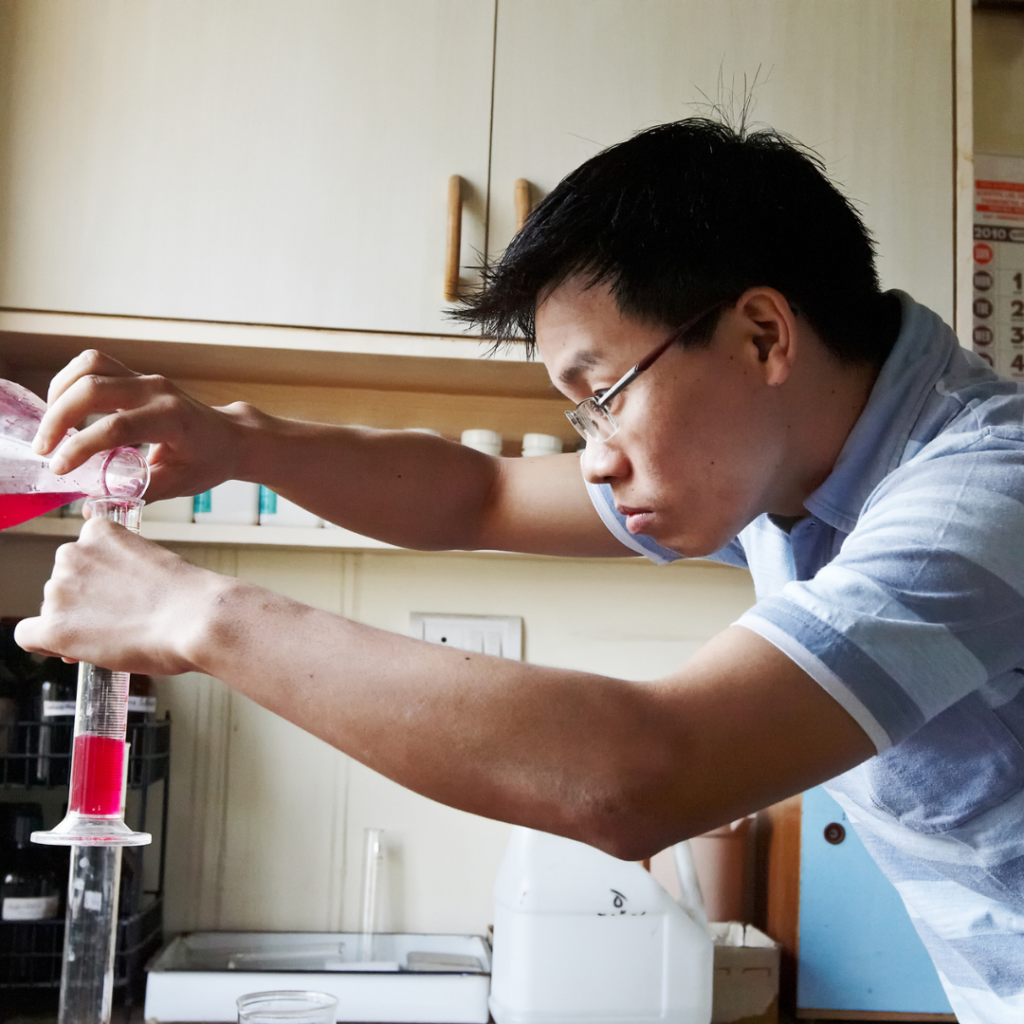
Technology-Based Research Is Expanding
Technology research in universities has become one of the fastest-growing areas within Indian higher education systems.
Students and researchers now actively work on robotics, cloud computing, cybersecurity, blockchain systems, data analytics, virtual reality, automation, and smart infrastructure technologies.
Modern research facilities increasingly support practical experimentation and prototype development.
Students participating in technology-focused research often gain strong placement opportunities because industries actively seek innovation-oriented professionals.
Technology-based research also improves collaboration between universities and private industries.
However, advanced technology research requires expensive infrastructure and updated laboratory resources, which some institutions still lack.
Healthcare and Biotechnology Research Are Advancing
Healthcare innovation has become another major focus area within Indian university research ecosystems.
Universities now conduct research related to biotechnology, pharmaceuticals, medical devices, healthcare AI systems, disease diagnosis, telemedicine, and public health solutions.
The healthcare sector’s rapid growth increases demand for medical innovation and scientific problem-solving.
Students entering healthcare research often contribute toward socially impactful projects improving public health systems and medical accessibility.
Research opportunities in healthcare industries also attract strong government and private investment support.
At the same time, healthcare research environments involve strict ethical standards and long-term testing processes that require patience and precision.
Sustainability Research Is Gaining Importance
Environmental awareness and climate concerns are encouraging universities to invest more heavily in sustainability-focused research.
Students and researchers increasingly work on renewable energy systems, water conservation, waste management, sustainable agriculture, electric mobility, and green technologies.
Modern university research trends now emphasize environmentally responsible innovation because climate challenges affect global societies significantly.
Sustainability research also encourages collaboration between science, engineering, economics, and public policy departments.
Students participating in environmental innovation projects often feel socially motivated because their work contributes positively toward ecological protection.
However, sustainability solutions sometimes face financial and implementation-related obstacles in practical industries.
Universities Are Building Modern Research Facilities
Many Indian universities are improving infrastructure to strengthen academic research quality.
Advanced laboratories, digital libraries, AI research centers, startup incubation hubs, robotics labs, simulation facilities, and collaborative innovation spaces are becoming increasingly common across campuses.
University research facilities strongly influence student interest because modern infrastructure improves practical learning and experimentation opportunities.
Research-driven campuses often attract ambitious students interested in scientific discovery and innovation-focused careers.
Modern facilities also improve international academic collaboration opportunities.
At the same time, maintaining high-quality research infrastructure requires continuous investment and technical management.
International Collaborations Are Increasing
Indian universities increasingly collaborate with international institutions for joint research projects, academic exchange programs, and global innovation initiatives.
Global partnerships improve exposure to advanced research methodologies, technology systems, and international scientific standards.
Students participating in collaborative research programs often gain broader academic perspectives and global networking opportunities.
International cooperation also strengthens the global reputation of Indian higher education institutions.
Research collaborations help universities access advanced expertise and funding opportunities from international organizations.
However, differences in academic systems and resource availability may occasionally create operational challenges during collaborative projects.
Students Are Becoming More Research-Oriented
Modern students increasingly show interest in innovation, scientific exploration, and research-focused career paths.
Access to online learning, global technology trends, startup culture, and AI-driven industries motivates students to explore practical research opportunities earlier during academic life.
Universities now organize hackathons, innovation competitions, scientific conferences, startup events, and project exhibitions to encourage student participation.
Research-oriented students often develop stronger analytical thinking, creativity, and problem-solving abilities.
Practical research experience also improves career opportunities in technology, healthcare, science, and entrepreneurship industries.
At the same time, academic pressure and competitive expectations sometimes create stress among research scholars.
Publication and Patent Culture Is Expanding
Indian universities increasingly encourage students and faculty members to publish research papers and file innovation patents.
Academic publications improve university reputation while patents support technology commercialization and industrial collaboration.
Research and innovation in India therefore increasingly focus on practical impact and intellectual property development.
Students participating in patent-oriented research projects often gain stronger exposure to real-world innovation systems.
Publication culture also strengthens scientific communication and global academic recognition.
However, excessive publication pressure may occasionally affect research quality if quantity becomes more important than originality.

Digital Learning Is Supporting Research Development
Digital education systems have transformed research accessibility significantly.
Students today can access online journals, virtual libraries, AI research tools, scientific databases, and international academic resources more easily than before.
Technology-driven learning environments improve independent research capability and global information exposure.
Online collaboration platforms also allow researchers to work remotely across institutions and countries.
Digital transformation therefore continues strengthening modern university research trends in India.
However, unequal internet access and digital infrastructure still affect educational opportunities in some regions.
Future of Research in Indian Universities
The future of Indian research ecosystems appears highly promising as universities continue investing in innovation, AI technology, interdisciplinary learning, healthcare research, startup incubation, and sustainability-focused development.
Educational institutions will likely focus even more heavily on practical problem-solving, industry collaboration, and global research partnerships in coming years.
Future research opportunities in India may expand significantly through artificial intelligence, biotechnology, renewable energy, robotics, and space technology industries.
Students capable of combining creativity, scientific understanding, and technological adaptability will likely gain strong research and innovation opportunities.
Conclusion
Latest research trends in Indian universities show how higher education is transforming from traditional academic systems toward innovation-driven and technology-focused ecosystems. Indian university research 2026 increasingly emphasizes artificial intelligence, startup development, interdisciplinary collaboration, healthcare innovation, sustainability projects, and practical scientific problem-solving.
Modern university research trends are creating stronger opportunities for students interested in scientific discovery, entrepreneurship, digital technologies, and future-oriented careers.
Although challenges related to infrastructure, funding, and research pressure still exist, India’s academic ecosystem continues moving toward stronger global competitiveness and innovation leadership.
As technology and industries continue evolving rapidly, research-oriented education in India will likely remain one of the most powerful foundations driving future scientific advancement, economic growth, and technological transformation.
More Blogs you may read
Learning Through Global Networks: How International Collaboration Is Transforming Modern Education 2026
Learning Through Global Networks Education has always been a powerful...
Read More
Why Employers Support Apprenticeship Degrees: How Work-Based Learning Creates Career-Ready Graduates 2026
Why Employers Support Apprenticeship Degrees The relationship between higher education...
Read MoreAvoiding Career Decisions Based on Social Pressure: A Complete Guide to Choosing the Right Career With Confidence 2026
Avoiding Career Decisions Based on Social Pressure Choosing a career...
Read MoreCommon Technical Problems During Online Exams: Complete Guide to Avoid Exam-Day Disruptions 2026
Common Technical Problems During Online Exams Online examinations have become...
Read More