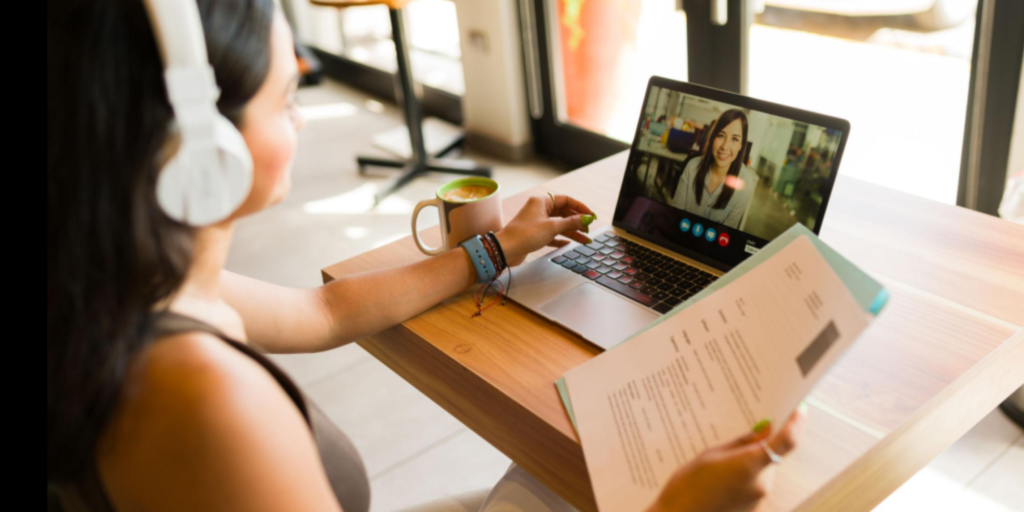
How Students Can Prepare for Remote Hiring
The hiring process has changed dramatically over the last few years as companies increasingly adopt remote work systems, virtual interviews, digital onboarding, and online recruitment strategies. In 2026, remote hiring is no longer limited to international companies or technology startups. Businesses across industries now recruit employees through online platforms because virtual hiring saves time, reduces operational costs, and allows organizations to access talent from different locations. Because of this transformation, students preparing for future careers must understand how remote hiring works and how to build the right skills to succeed in virtual recruitment environments.
Earlier, most job interviews happened inside office buildings where recruiters directly evaluated communication style, confidence, personality, and professional appearance through face-to-face interaction. Today, remote hiring preparation for students involves much more than simply attending an online interview. Students must learn digital communication, virtual presentation skills, online collaboration tools, remote work discipline, and technology-based professionalism to compete effectively in modern recruitment systems.
Remote work culture has also expanded career opportunities significantly. Students can now apply for internships, freelance projects, remote jobs, and global employment opportunities without relocating physically. This flexibility has created exciting possibilities for young professionals, especially in technology, marketing, content creation, customer support, business management, design, and digital service industries.
At the same time, remote hiring also creates new challenges. Virtual interviews may sometimes feel emotionally uncomfortable because students cannot rely fully on traditional face-to-face interaction. Technical issues, poor communication, internet instability, and lack of remote workplace understanding can negatively affect interview performance if preparation is weak.
Remote Hiring Is Becoming a Common Recruitment Method
One of the biggest reasons students must prepare for remote hiring is because companies increasingly prefer digital recruitment systems.
Modern businesses now conduct online hiring processes through video interviews, digital assessments, virtual presentations, and remote onboarding platforms.
Remote hiring saves time for both employers and candidates while allowing companies to recruit talent from multiple locations efficiently.
Virtual hiring trends are especially strong in technology companies, startups, digital marketing agencies, content industries, customer service sectors, and remote-first organizations.
Students preparing for future careers must therefore become comfortable with virtual communication environments and online professional interaction.
Remote recruitment also increases global competition because students now compete with applicants from different cities and countries.
However, digital hiring systems may sometimes reduce personal interaction, making it harder for candidates to build strong emotional connections with recruiters.
Digital Communication Skills Are Extremely Important
Digital communication skills have become one of the most essential remote work skills for students.
During virtual interviews, candidates must express ideas clearly through video calls, emails, chat platforms, and online meetings.
Students with strong communication ability usually perform better because recruiters evaluate confidence, professionalism, clarity, and interaction style carefully during remote hiring processes.
Online interview skills include eye contact through webcams, active listening, professional speaking tone, and structured conversation.
Remote workplaces also depend heavily on digital communication because teams collaborate through virtual platforms instead of physical office interaction.
Students who improve communication ability often adapt more successfully within remote professional environments.
At the same time, nervousness and lack of confidence during video calls may negatively affect communication quality for some students.
Professional Online Presence Matters
Modern recruiters often evaluate candidates beyond resumes and interviews.
Students applying for remote jobs increasingly require professional online profiles because employers may review LinkedIn accounts, portfolios, project websites, or digital work samples during recruitment.
A clean and professional online presence creates positive impressions and improves credibility.
Students interested in remote career opportunities should maintain updated resumes, professional social media profiles, and digital portfolios showcasing skills and achievements.
Online professionalism also includes respectful communication, professional profile photos, and organized digital presentation.
Students with strong digital branding often stand out more effectively during remote hiring processes.
However, inappropriate social media activity or poorly managed online profiles may negatively influence recruiter perceptions.
Technical Preparation Improves Interview Confidence
Technical readiness is one of the most overlooked aspects of virtual interview preparation.
Students attending online interviews should ensure stable internet connectivity, functioning microphones, proper lighting, professional backgrounds, and updated video conferencing software before interviews begin.
Technical interruptions during interviews can create negative impressions and reduce confidence.
Students who prepare technical setups earlier often feel calmer and more organized during remote hiring interactions.
Professional interview environments also reflect seriousness and workplace readiness.
Testing devices, cameras, audio systems, and internet speed before interviews helps avoid unnecessary stress.
However, unexpected technical failures may still occur occasionally despite preparation.
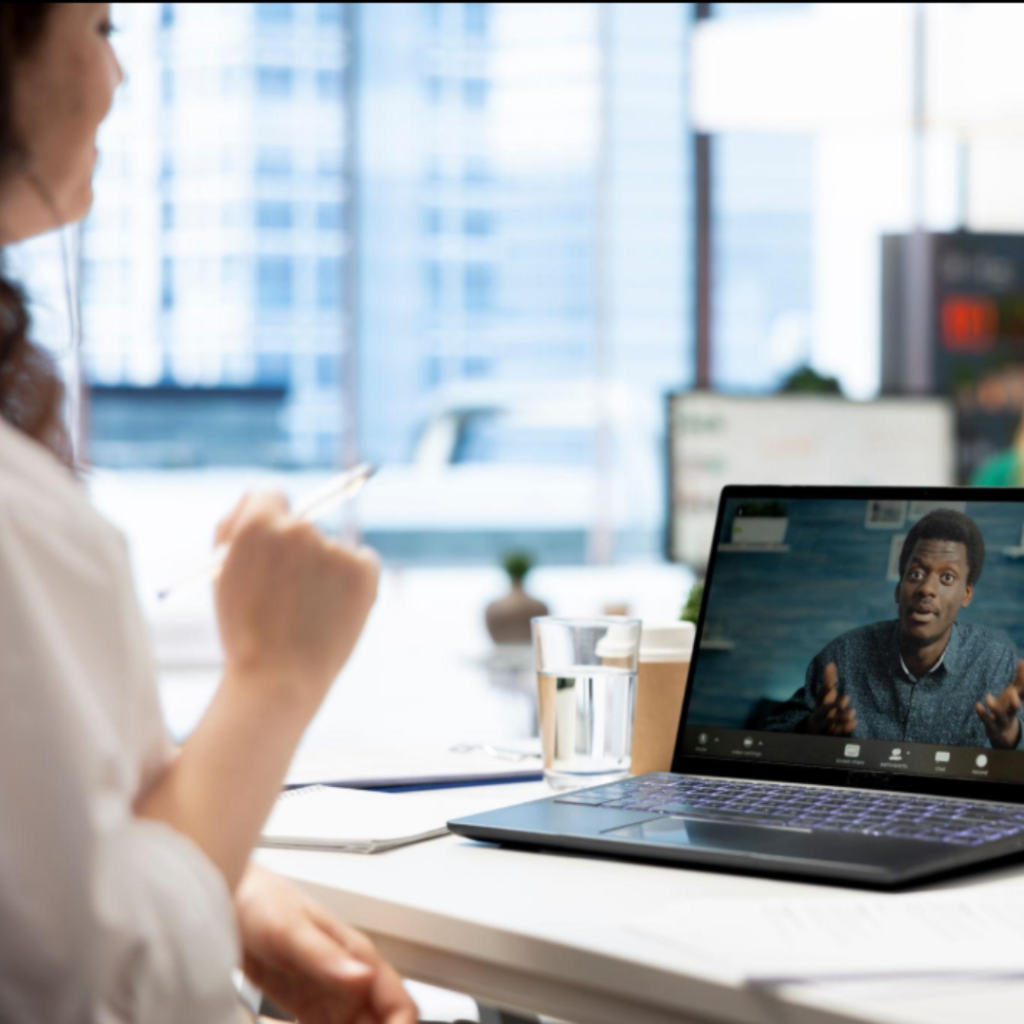
Remote Work Requires Self-Discipline
Remote work environments demand strong self-management and discipline because employees often work independently without constant supervision.
Students preparing for remote work readiness should develop time management skills, task organization habits, and personal accountability.
Employers increasingly value candidates capable of handling responsibilities independently while meeting deadlines consistently.
Students with disciplined work habits usually perform better within remote professional environments.
Remote work also requires focus because digital distractions at home can reduce productivity significantly.
Building structured daily routines helps students improve remote work efficiency and concentration.
At the same time, remote work isolation may sometimes affect motivation and emotional well-being.
Virtual Collaboration Skills Are Becoming Valuable
Modern companies rely heavily on digital collaboration tools for remote teamwork.
Students preparing for remote jobs should understand online collaboration platforms, project management systems, cloud-based tools, and virtual communication applications.
Remote work skills for students now include teamwork through platforms like shared workspaces, video meetings, collaborative documents, and digital task management systems.
Employees capable of collaborating effectively online often become valuable contributors within distributed teams.
Virtual collaboration also improves adaptability because modern workplaces increasingly operate across multiple locations and time zones.
Students comfortable with digital teamwork environments often adjust more easily to professional remote cultures.
However, communication misunderstandings may occasionally happen more frequently in virtual environments compared to face-to-face interaction.
Students Should Practice Virtual Interviews
Practice plays a major role in improving remote hiring performance.
Students should participate in mock interviews, video practice sessions, and online communication exercises to strengthen confidence before actual interviews.
Virtual interview preparation becomes easier when students become familiar with webcam interaction, screen presence, and digital communication flow.
Practicing interview responses also improves clarity and reduces nervousness.
Students who regularly rehearse online interviews usually appear more confident and professional during actual hiring processes.
Recording practice sessions helps identify communication weaknesses and presentation issues.
At the same time, excessive memorization may make responses sound unnatural or robotic during interviews.
Soft Skills Still Matter in Remote Hiring
Although remote recruitment depends heavily on technology, soft skills remain extremely important.
Employers continue valuing emotional intelligence, teamwork, adaptability, problem-solving ability, leadership, and professionalism alongside technical expertise.
Remote employees often communicate independently with managers, clients, and teams, making interpersonal skills highly valuable.
Students who combine digital skills with emotional maturity often adapt better within remote workplaces.
Professional behavior during virtual interviews strongly influences recruiter impressions.
Remote work environments especially require patience and adaptability because online collaboration can sometimes become challenging.
Remote Hiring Expands Global Opportunities
One major advantage of remote hiring is access to international opportunities.
Students today can apply for internships, freelance projects, startup roles, and full-time positions across different countries without relocating physically.
Global remote hiring trends increase career flexibility and exposure to international work cultures.
Students with strong communication ability and digital professionalism often gain broader career opportunities through remote platforms.
Remote work also supports freelancing and entrepreneurship because professionals can manage projects from multiple clients worldwide.
However, global competition means students must continuously improve skills to remain competitive.
Students Must Improve Problem-Solving Ability
Employers increasingly seek remote employees capable of solving problems independently.
Remote work environments often require employees to handle technical issues, communication gaps, project challenges, and operational decisions without immediate supervision.
Problem-solving ability therefore becomes highly valuable during remote hiring evaluation.
Students who develop analytical thinking and adaptability often perform better professionally.
Independent learning habits also improve remote work readiness because digital careers frequently involve continuous learning and self-improvement.
However, students overly dependent on direct supervision may initially struggle within remote professional systems.

Online Certifications Strengthen Remote Job Profiles
Online certifications and digital learning programs significantly improve employability in remote industries.
Students completing certifications in digital marketing, coding, communication, AI tools, project management, graphic design, data analytics, or remote collaboration platforms often gain stronger recruitment advantages.
Professional skills for remote work increasingly depend on digital literacy and technology understanding.
Certifications also reflect self-motivation and learning initiative, which recruiters value highly.
Students actively upgrading skills through online learning platforms usually appear more career-focused and adaptable.
However, certifications alone are not enough without practical application and communication ability.
Time Management Is Critical for Remote Work
Time management becomes even more important within remote workplaces because employees often work independently without direct office supervision.
Students preparing for work-from-home job skills should practice planning schedules, prioritizing tasks, and maintaining productivity consistently.
Remote employees must balance flexibility with accountability because deadlines and project responsibilities remain important.
Good time management improves work quality and reduces stress.
Students with organized routines often adapt more successfully to remote career environments.
However, distractions from social media, entertainment, or home environments may negatively affect concentration.
Universities Are Supporting Remote Career Preparation
Educational institutions increasingly recognize the importance of remote career readiness.
Many universities now organize online placement drives, virtual internship programs, communication workshops, digital skill training, and remote collaboration projects to help students prepare for online hiring systems.
Career development programs increasingly include remote interview training and virtual workplace exposure.
Students participating actively in digital learning opportunities often gain stronger confidence during remote recruitment processes.
However, access to high-quality remote training may vary between institutions.
Future of Remote Hiring
The future of remote hiring will likely continue expanding as companies prioritize flexibility, digital efficiency, and global talent access.
Artificial intelligence, automation, virtual reality meetings, and cloud-based collaboration systems may further transform recruitment methods in coming years.
Future remote jobs will likely require stronger digital literacy, communication skills, adaptability, and independent work habits.
Students capable of balancing technology understanding with professional communication will likely gain stronger remote career opportunities.
Conclusion
How students can prepare for remote hiring can be understood through the growing importance of digital communication, technical readiness, virtual collaboration, self-discipline, problem-solving ability, and professional online presence. Remote hiring preparation for students now involves much more than traditional interview practice because modern recruitment systems increasingly operate through digital environments.
Students who improve communication skills, practice virtual interviews, develop remote work habits, and strengthen digital literacy often gain stronger remote career opportunities in 2026.
Although challenges related to competition, technical issues, and remote work pressure still exist, students who adapt to modern virtual hiring trends can access broader professional opportunities across industries and international markets.
As remote work culture continues expanding globally, remote hiring readiness will likely remain one of the most valuable career preparation skills for future professionals.
More Blogs you may read
Learning Through Global Networks: How International Collaboration Is Transforming Modern Education 2026
Learning Through Global Networks Education has always been a powerful...
Read More
Why Employers Support Apprenticeship Degrees: How Work-Based Learning Creates Career-Ready Graduates 2026
Why Employers Support Apprenticeship Degrees The relationship between higher education...
Read MoreAvoiding Career Decisions Based on Social Pressure: A Complete Guide to Choosing the Right Career With Confidence 2026
Avoiding Career Decisions Based on Social Pressure Choosing a career...
Read MoreCommon Technical Problems During Online Exams: Complete Guide to Avoid Exam-Day Disruptions 2026
Common Technical Problems During Online Exams Online examinations have become...
Read More