Learning Through Global Networks
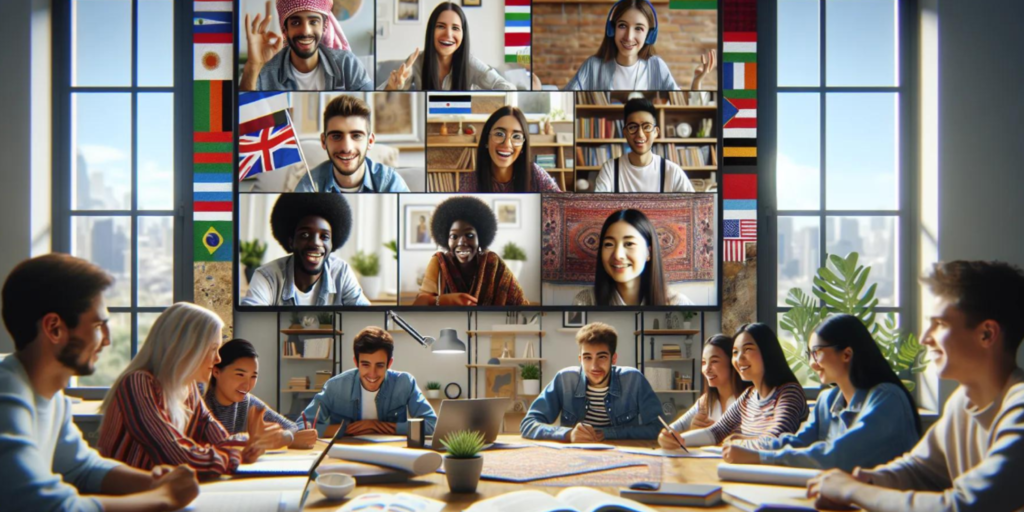
Education has always been a powerful force for personal growth, innovation, and social progress. In today’s interconnected world, however, learning is no longer limited by geographical boundaries or physical classrooms. Digital technologies, international academic partnerships, collaborative research, and virtual learning communities have transformed education into a truly global experience. Students now have opportunities to exchange ideas with peers from different countries, participate in international research projects, access worldwide educational resources, and learn from experts across continents. Understanding Learning Through Global Networks reveals how these international connections are reshaping education by creating richer learning experiences, expanding cultural understanding, and preparing learners for a future where global collaboration is an everyday reality.
The rise of digital communication has significantly expanded educational opportunities. Universities, schools, research institutions, nonprofit organizations, and professional networks increasingly collaborate across borders to develop innovative programs, share knowledge, and solve complex global challenges. Through virtual classrooms, online seminars, collaborative projects, academic conferences, and international exchange initiatives, learners gain access to diverse perspectives that strengthen critical thinking and broaden intellectual horizons. Learning Through Global Networks encourages students to understand issues from multiple viewpoints while developing communication, adaptability, and teamwork skills that remain valuable throughout their academic and professional lives.
The growing importance of Learning Through Global Networks reflects the evolving nature of modern careers and global economies. Employers increasingly value graduates who can communicate across cultures, collaborate with international teams, understand diverse markets, and adapt to rapidly changing environments. Educational institutions therefore recognize that global engagement should become an essential component of curriculum design rather than an optional experience. By integrating international collaboration into learning, students develop both technical expertise and intercultural competence that supports long-term career success.
Learning about Learning Through Global Networks also highlights the broader purpose of education in an increasingly connected world. Beyond acquiring knowledge, global learning encourages empathy, cultural appreciation, ethical leadership, innovation, and shared responsibility for addressing worldwide challenges. Whether discussing climate change, healthcare, technology, entrepreneurship, sustainability, or scientific research, international collaboration enables learners to contribute meaningfully to solutions that extend beyond national borders.
Understanding Global Learning Networks
Global learning networks refer to educational connections that link students, educators, researchers, institutions, and professionals across different countries through technology, academic partnerships, and collaborative learning initiatives. These networks encourage continuous knowledge exchange while creating opportunities for meaningful international engagement.
Understanding Learning Through Global Networks begins with recognizing that education has evolved from isolated classrooms into connected global communities where ideas move freely across borders.
Knowledge expands through collaboration.
Global connections strengthen education.
Shared learning creates lasting opportunities.
Technology Connecting Classrooms Worldwide
Advancements in digital technology have transformed how education is delivered and experienced. Video conferencing, virtual classrooms, cloud-based collaboration, learning management systems, and online discussion platforms enable students from different countries to participate in shared educational experiences without leaving their campuses.
Technology strengthens Learning Through Global Networks by removing traditional geographical barriers to education.
Digital platforms improve accessibility.
Virtual classrooms encourage participation.
Technology supports continuous collaboration.
International Collaboration Enhances Learning
Students learn more effectively when they encounter perspectives beyond their own communities. International collaboration encourages discussions that introduce different cultural viewpoints, educational methods, research approaches, and problem-solving strategies.
Cross-border cooperation reinforces Learning Through Global Networks.
Diverse perspectives improve understanding.
Collaborative learning inspires innovation.
Global teamwork strengthens education.
Building Cross-Cultural Understanding
Education becomes richer when students interact with individuals from different cultural backgrounds. These experiences promote mutual respect, curiosity, empathy, and appreciation for diverse traditions, communication styles, and social values.
Cross-cultural experiences enrich Learning Through Global Networks.
Cultural awareness encourages inclusion.
Respect strengthens international relationships.
Learning becomes more meaningful through diversity.
Access to Global Knowledge
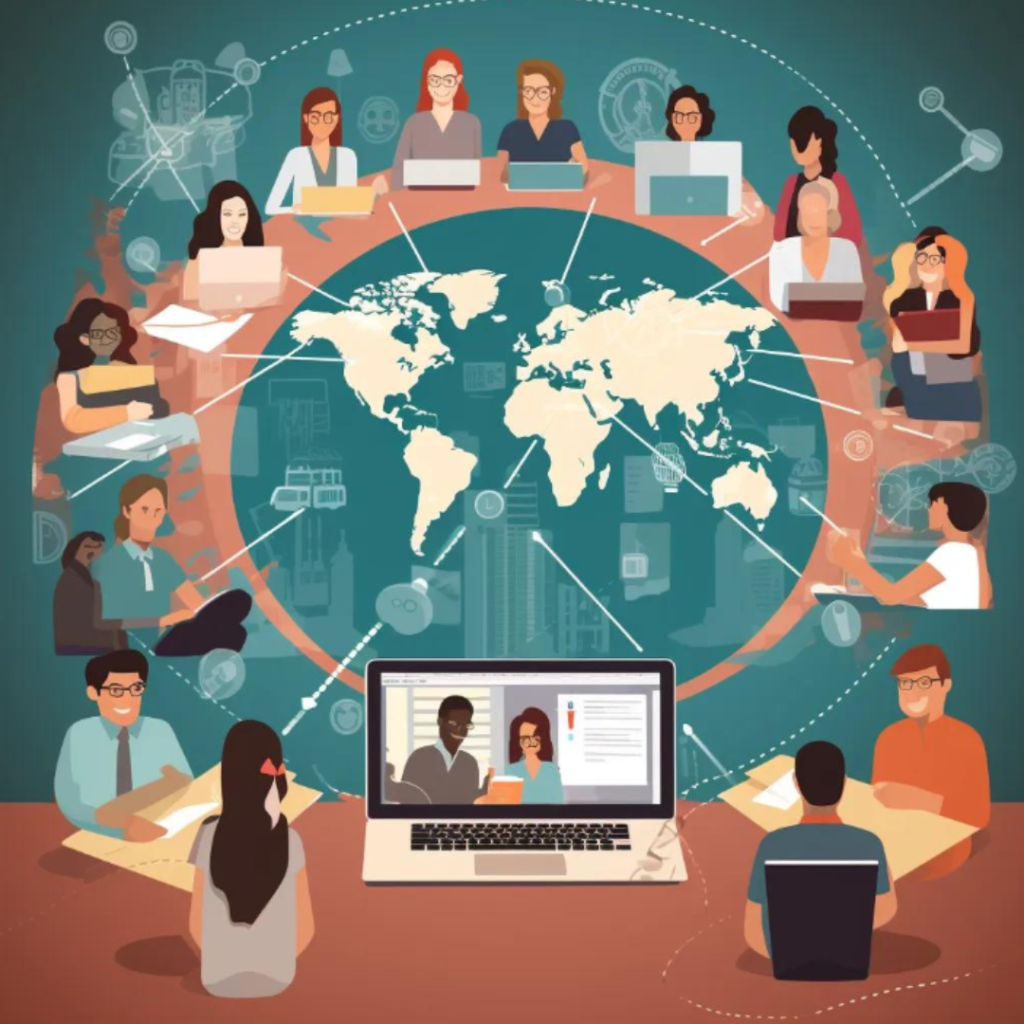
Modern learners have unprecedented access to educational resources from universities, research organizations, libraries, and professional institutions around the world. Academic journals, online courses, digital libraries, webinars, and international conferences provide valuable opportunities for continuous learning.
Access to information enhances Learning Through Global Networks.
Knowledge becomes more accessible.
Global resources expand learning opportunities.
Continuous education supports personal growth.
Collaborative Research Across Borders
Many scientific discoveries and technological innovations emerge from international research partnerships. Universities, laboratories, healthcare institutions, and industry experts collaborate globally to solve complex challenges that affect multiple countries.
Research collaboration strengthens Learning Through Global Networks.
Shared expertise accelerates discovery.
International partnerships improve innovation.
Collective knowledge addresses global challenges.
Preparing Students for Global Careers
Modern workplaces increasingly operate across multiple countries and cultures. Professionals frequently collaborate with international colleagues, clients, suppliers, and partners. Educational experiences that include global networking help students develop communication and adaptability skills valued by employers.
Career preparation supports Learning Through Global Networks.
International experience improves employability.
Global competence enhances professional confidence.
Adaptability strengthens future success.
Developing Communication Skills
Working with individuals from different linguistic and cultural backgrounds encourages students to communicate clearly, respectfully, and effectively. These experiences strengthen both verbal and written communication while improving listening and collaboration.
Communication reinforces Learning Through Global Networks.
Effective dialogue builds understanding.
Active listening improves teamwork.
Strong communication supports leadership.
Virtual Exchange Programs
Virtual exchange initiatives enable students to participate in international learning experiences without traveling abroad. Through online discussions, collaborative assignments, and shared academic activities, learners develop global perspectives while remaining within their home institutions.
Virtual exchanges improve Learning Through Global Networks.
Technology expands educational access.
International learning becomes more inclusive.
Digital collaboration supports flexibility.
Industry Partnerships in Global Education
Educational institutions increasingly collaborate with multinational companies, nonprofit organizations, technology firms, and international agencies to provide practical learning experiences that reflect global workplace expectations.
Industry collaboration strengthens Learning Through Global Networks.
Professional partnerships improve employability.
Real-world learning supports career readiness.
Global industries encourage innovation.
Innovation Through Shared Ideas
Innovation often develops when people with different experiences work together. Global learning networks encourage students to exchange ideas, compare solutions, and approach problems from multiple perspectives, resulting in more creative outcomes.
Innovation enhances Learning Through Global Networks.
Diverse thinking inspires creativity.
Collaboration generates better solutions.
Shared ideas encourage continuous improvement.
Lifelong Learning Beyond Borders
Learning no longer ends with graduation. Global networks provide professionals with opportunities to continue developing knowledge through international seminars, certification programs, research communities, and digital learning platforms.
Lifelong learning reinforces Learning Through Global Networks.
Continuous education supports career growth.
Professional development remains essential.
Learning evolves throughout life.
Challenges of Global Learning Networks
While international collaboration offers remarkable benefits, it also presents challenges such as time zone differences, language barriers, technological access, and varying educational systems. Successful global learning requires flexibility, patience, and effective coordination.
Addressing challenges strengthens Learning Through Global Networks.
Preparation improves collaboration.
Adaptability supports successful partnerships.
Challenges encourage resilience.
The Role of Universities
Universities play a central role in building global learning networks by establishing exchange programs, research partnerships, international conferences, collaborative degrees, and digital education initiatives that connect students worldwide.
Higher education advances Learning Through Global Networks.
Academic partnerships expand opportunities.
Universities encourage international collaboration.
Education strengthens global citizenship.
Artificial Intelligence and Future Learning Networks
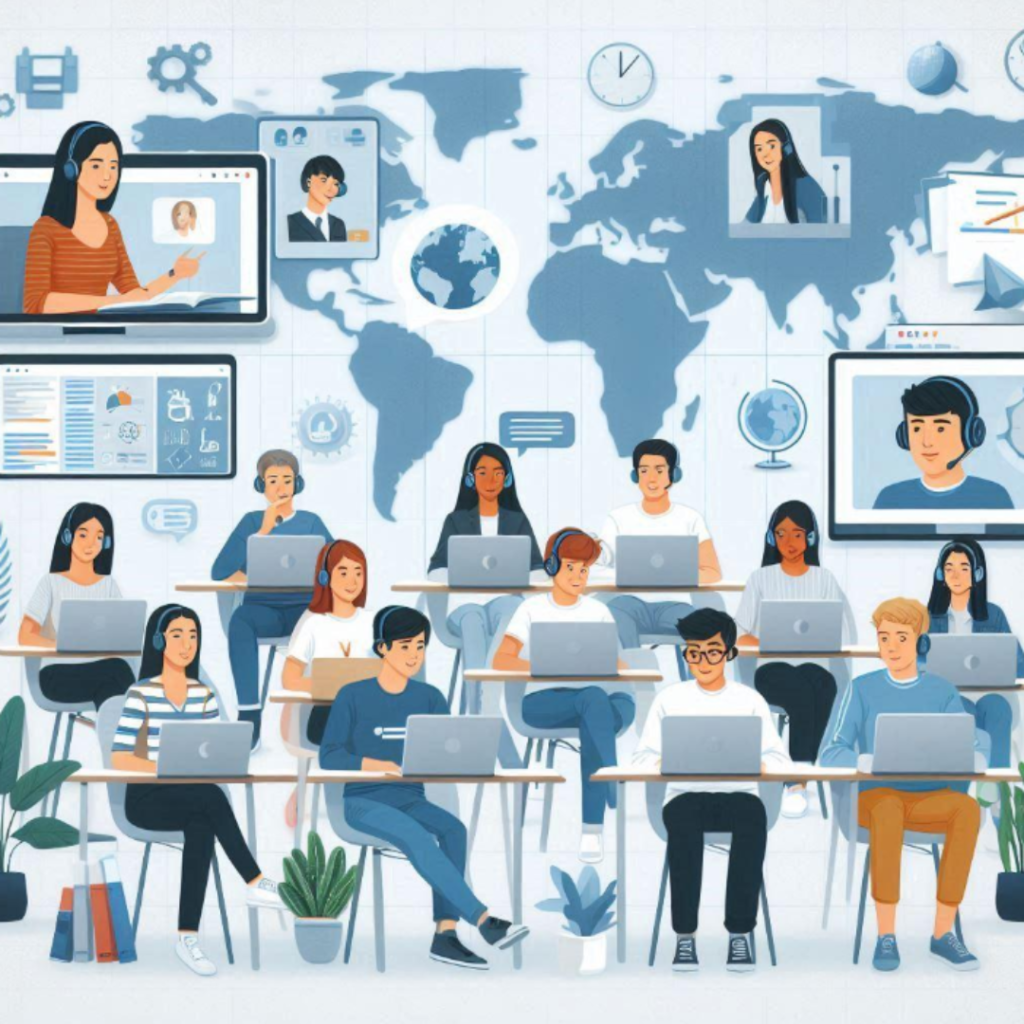
Artificial intelligence is reshaping global education by supporting personalized learning, language translation, intelligent tutoring, and collaborative digital environments. These technologies will continue expanding international educational opportunities.
Technology strengthens Learning Through Global Networks.
Artificial intelligence improves accessibility.
Digital innovation enhances collaboration.
Future education becomes increasingly connected.
Global Citizenship Through Education
Global learning encourages students to think beyond national boundaries while recognizing shared responsibilities related to sustainability, public health, human rights, technological ethics, and environmental protection.
Global citizenship enriches Learning Through Global Networks.
Education promotes responsible leadership.
Shared knowledge strengthens communities.
International awareness supports peaceful cooperation.
The Future of Learning Through Global Networks
As digital technologies continue advancing, global education will become increasingly collaborative, personalized, and accessible. Students will benefit from stronger international partnerships, expanded online learning opportunities, and greater participation in global research initiatives.
Future developments reinforce Learning Through Global Networks.
Technology continues expanding educational possibilities.
International collaboration remains essential.
Knowledge connects the world.
Conclusion
Learning Through Global Networks is transforming education by creating opportunities that extend far beyond traditional classrooms and national borders. Through international collaboration, digital technologies, global research partnerships, virtual exchange programs, and cross-cultural communication, students gain access to diverse perspectives that strengthen critical thinking, creativity, adaptability, and lifelong learning. These global connections prepare learners not only for successful careers but also for meaningful participation in an increasingly interconnected world where collaboration, innovation, and shared knowledge drive progress. Rather than viewing education as a local experience, global learning networks encourage students to engage with ideas, cultures, and solutions that reflect the complexity and diversity of modern society.
As educational institutions continue embracing Learning Through Global Networks, the future of learning will become even more inclusive, flexible, and collaborative. Universities, schools, industries, researchers, and technology providers will work together to expand access to international knowledge while preparing students for global challenges and opportunities. By fostering cultural understanding, encouraging responsible leadership, supporting innovation, and promoting continuous learning, global networks strengthen both individual development and collective progress. Investing in these educational connections ensures that future generations are equipped with the knowledge, skills, confidence, and global perspective needed to contribute positively to an increasingly connected and rapidly evolving world.