
Avoiding Career Decisions Based on Social Pressure
Choosing a career is one of the most significant decisions a person makes during life. A career influences education, financial stability, professional development, personal satisfaction, and long-term opportunities. Because of its importance, career decisions often attract opinions from family members, friends, teachers, relatives, classmates, and society. While guidance from experienced people can be valuable, constant comparison with others or pressure to follow popular career paths may create confusion. This growing challenge has made Avoiding Career Decisions Based on Social Pressure an increasingly important topic for students and young professionals.
Every individual possesses unique interests, abilities, learning styles, values, and career aspirations. A profession that provides fulfillment for one person may not necessarily match another person’s strengths or long-term goals. Yet many students feel compelled to pursue careers simply because they are considered prestigious, financially attractive, socially respected, or widely accepted. Such decisions sometimes create ongoing dissatisfaction, reduced motivation, or limited professional engagement because they are based more on external expectations than personal suitability.
The importance of Avoiding Career Decisions Based on Social Pressure lies in encouraging thoughtful self-awareness before making educational and professional commitments. Career planning becomes stronger when individuals evaluate their skills, interests, personality, values, and future ambitions while considering reliable labor market information and educational opportunities. External advice should inform decisions rather than completely determine them.
Modern career development recognizes that professional success is highly individual. Technological innovation, emerging industries, entrepreneurship, remote work, creative professions, research careers, and interdisciplinary fields continue expanding career possibilities beyond traditional occupations. Understanding Avoiding Career Decisions Based on Social Pressure helps students build careers aligned with their personal strengths while developing confidence to pursue meaningful professional paths.
Understanding Social Pressure in Career Planning
Social pressure refers to expectations, comparisons, or opinions that encourage individuals to choose careers based upon external approval rather than personal aspirations.
This influence may originate from family traditions, community expectations, peer groups, educational environments, or public perception.
Understanding Avoiding Career Decisions Based on Social Pressure begins with recognizing these influences objectively.
Awareness supports independent thinking.
External opinions deserve balanced evaluation.
Personal reflection strengthens decision-making.
Why Career Choices Should Be Personal
Every person’s educational journey differs.
Individual interests, talents, communication styles, creativity, analytical abilities, and long-term ambitions naturally influence professional satisfaction.
Recognizing personal uniqueness strengthens Avoiding Career Decisions Based on Social Pressure.
Individual strengths deserve attention.
Personal goals create meaningful careers.
Authenticity supports long-term motivation.
Family Expectations
Families frequently provide valuable encouragement while hoping students achieve secure and rewarding futures.
However, family preferences may occasionally differ from a student’s personal interests.
Balancing family guidance thoughtfully supports Avoiding Career Decisions Based on Social Pressure.
Respectful communication builds understanding.
Shared discussions improve decisions.
Support and independence can coexist.
Peer Comparisons
Students naturally compare educational achievements, entrance examinations, university admissions, and career plans with classmates.
Although comparison sometimes encourages healthy motivation, excessive comparison may reduce confidence.
Understanding Avoiding Career Decisions Based on Social Pressure includes limiting unnecessary comparisons.
Personal progress matters most.
Individual journeys remain unique.
Confidence grows through self-awareness.
Influence of Social Media
Digital platforms frequently highlight impressive professional achievements, entrepreneurial success stories, and glamorous career lifestyles.
While inspiring, these carefully presented examples may not reflect every individual’s circumstances.
Responsible media awareness strengthens Avoiding Career Decisions Based on Social Pressure.
Online information deserves thoughtful interpretation.
Reality often includes unseen challenges.
Balanced perspectives support confidence.
Understanding Personal Interests
Career satisfaction often develops when professional responsibilities align with genuine interests.
Students benefit from exploring subjects they naturally enjoy learning, discussing, researching, or practicing.
Interest exploration strengthens Avoiding Career Decisions Based on Social Pressure.
Curiosity supports lifelong learning.
Passion encourages consistent improvement.
Enjoyment enhances professional engagement.

Recognizing Individual Strengths
Every individual develops unique abilities through education, experience, observation, creativity, communication, leadership, organization, or technical learning.
Identifying these strengths contributes significantly to Avoiding Career Decisions Based on Social Pressure.
Strength awareness improves confidence.
Skills guide career planning.
Self-knowledge supports better decisions.
Career Research Matters
Reliable career planning requires researching educational pathways, employment opportunities, required qualifications, workplace expectations, salary ranges, and industry developments.
Research complements Avoiding Career Decisions Based on Social Pressure by replacing assumptions with knowledge.
Information improves decision quality.
Career awareness reduces uncertainty.
Research supports thoughtful planning.
Long-Term Career Satisfaction
Professional success extends beyond financial rewards alone.
Meaningful work often combines personal growth, continuous learning, workplace satisfaction, contribution, and balanced lifestyle considerations.
Long-term thinking strengthens Avoiding Career Decisions Based on Social Pressure.
Satisfaction develops gradually.
Balanced careers encourage fulfillment.
Purpose supports motivation.
Career Counseling Supports Better Decisions
Professional career counselors help students evaluate interests, skills, educational opportunities, and realistic career pathways objectively.
Guidance strengthens Avoiding Career Decisions Based on Social Pressure without replacing personal choice.
Professional advice improves clarity.
Career counseling encourages informed planning.
Support builds confidence.
Developing Decision-Making Skills
Independent decision-making represents an important life skill extending beyond career planning.
Evaluating information carefully while considering personal priorities strengthens professional confidence.
Decision-making supports Avoiding Career Decisions Based on Social Pressure.
Thoughtful choices improve outcomes.
Confidence develops through experience.
Independent thinking encourages growth.
Understanding Changing Career Markets
Modern employment continues evolving through technological innovation, digital transformation, entrepreneurship, remote work, artificial intelligence, sustainability, and interdisciplinary careers.
Career flexibility strengthens Avoiding Career Decisions Based on Social Pressure.
Emerging industries create opportunities.
Adaptability supports future success.
Continuous learning remains valuable.
Importance of Lifelong Learning
Career development rarely ends after graduation.
Professionals frequently update skills, pursue certifications, explore new technologies, and adapt to changing workplace requirements.
Continuous learning complements Avoiding Career Decisions Based on Social Pressure.
Education continues throughout careers.
Growth encourages adaptability.
Learning expands opportunities.
Building Self-Confidence
Confidence enables students to pursue careers aligned with their values despite differing opinions.
Self-confidence grows through preparation, education, practical experience, and realistic planning.
Confidence strengthens Avoiding Career Decisions Based on Social Pressure.
Preparation builds self-belief.
Experience supports resilience.
Personal growth improves decisions.
Communicating Career Goals
Open, respectful communication helps students explain career aspirations to parents, teachers, mentors, and family members.
Constructive conversations reduce misunderstandings while encouraging mutual understanding.
Communication supports Avoiding Career Decisions Based on Social Pressure.
Respect strengthens relationships.
Honest discussion improves clarity.
Understanding encourages cooperation.
Success Has Many Definitions
Professional achievement differs among individuals.
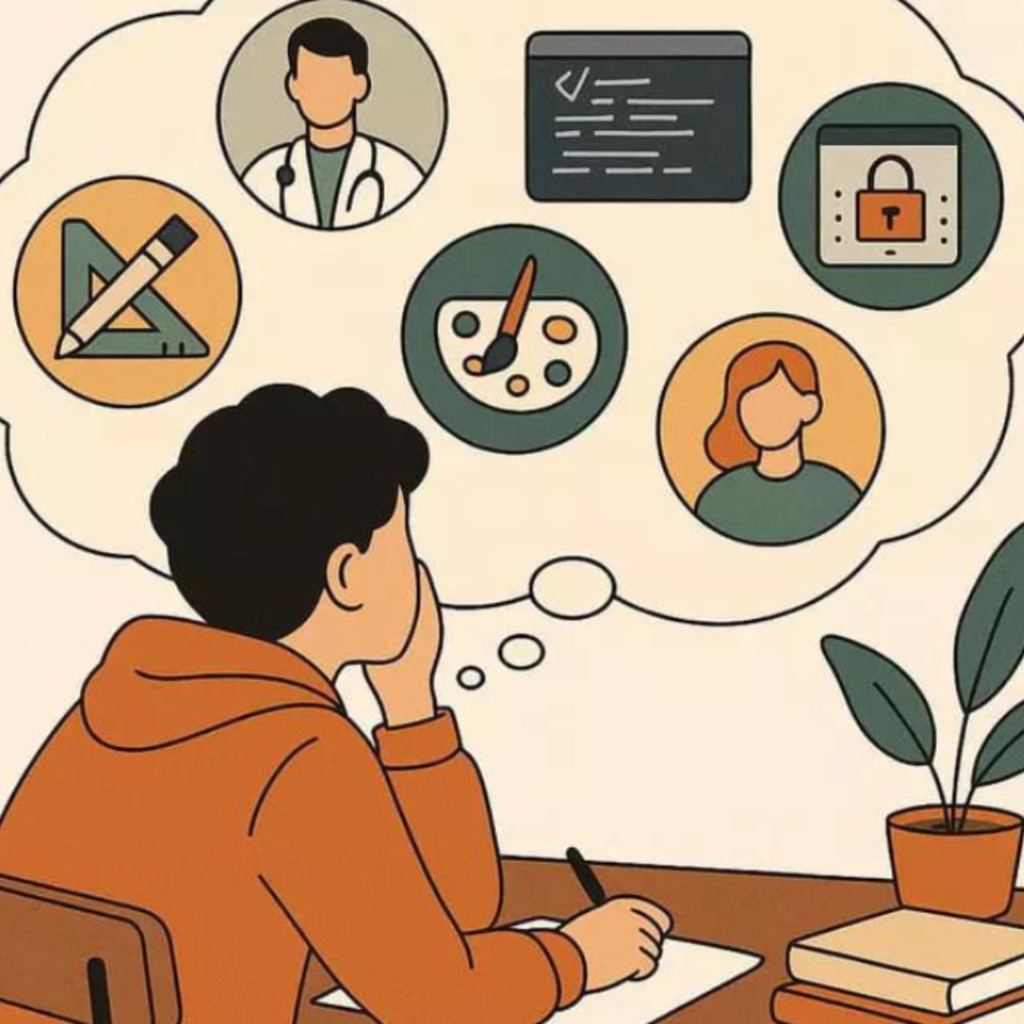
Some prioritize research, entrepreneurship, public service, innovation, education, creative industries, healthcare, technology, or community impact.
Recognizing diverse definitions of success enriches Avoiding Career Decisions Based on Social Pressure.
Success remains personal.
Different careers create meaningful contributions.
Individual fulfillment deserves respect.
Building Career Resilience
Career journeys occasionally involve unexpected opportunities, changing interests, evolving industries, or professional transitions.
Resilience helps individuals adapt while maintaining long-term goals.
Resilience strengthens Avoiding Career Decisions Based on Social Pressure.
Adaptability supports professional growth.
Challenges encourage learning.
Flexibility improves career development.
Choosing Education Wisely
Educational programs should support long-term career aspirations rather than temporary popularity alone.
Students benefit from evaluating curriculum quality, practical learning opportunities, faculty expertise, internships, and professional development resources.
Thoughtful education planning complements Avoiding Career Decisions Based on Social Pressure.
Quality education strengthens careers.
Informed choices support future success.
Learning environments matter.
Future of Career Planning
Career planning increasingly incorporates digital career assessments, artificial intelligence guidance tools, personalized learning pathways, and interdisciplinary education.
Despite technological advancements, personal values remain essential.
Future developments strengthen Avoiding Career Decisions Based on Social Pressure.
Technology supports informed decisions.
Personal purpose remains central.
Innovation expands possibilities.
Conclusion
Avoiding Career Decisions Based on Social Pressure empowers students and professionals to build careers that genuinely reflect their interests, abilities, values, and long-term aspirations rather than simply following external expectations. While advice from family, teachers, mentors, and society can provide valuable perspectives, meaningful career decisions are strongest when they combine reliable information with honest self-reflection. By researching career opportunities, recognizing personal strengths, seeking professional guidance, developing decision-making skills, and maintaining confidence in individual goals, students can create educational and professional pathways that lead to sustained growth and satisfaction.
As career opportunities continue expanding across technology, healthcare, research, business, entrepreneurship, creative industries, environmental science, education, and countless emerging fields, the importance of Avoiding Career Decisions Based on Social Pressure becomes even greater. Every individual has the opportunity to define success according to personal purpose rather than comparison with others. Thoughtful career planning encourages resilience, continuous learning, adaptability, and professional confidence, helping individuals build rewarding careers that not only support financial stability but also promote lifelong fulfillment, meaningful contribution, and ongoing personal development in an ever-changing global workforce.