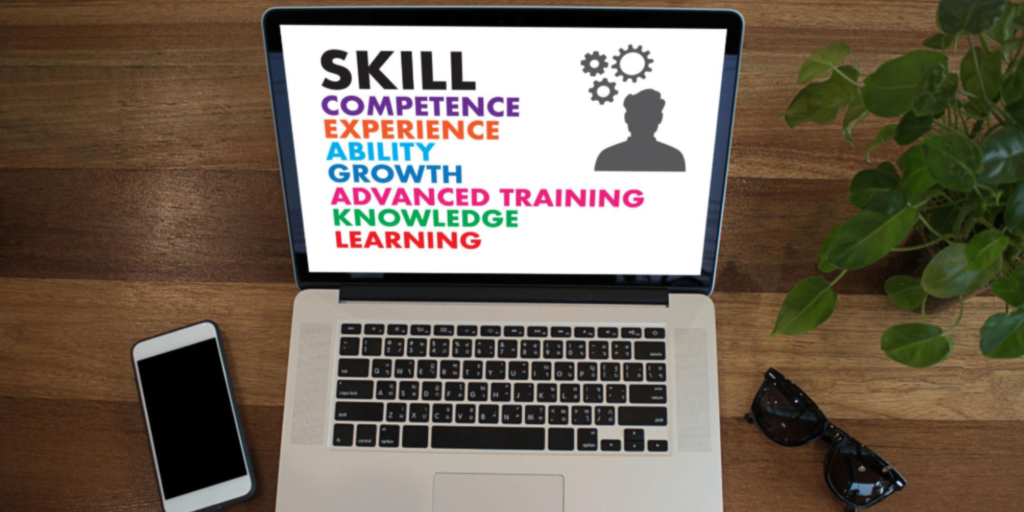
why multi-skilled professionals are in high demand
The modern workplace is evolving faster than ever as technology, artificial intelligence, automation, globalization, and digital transformation continue reshaping industries worldwide. In 2026, companies are no longer searching only for employees with a single specialization. Employers increasingly prefer professionals who can handle multiple responsibilities, adapt to changing work environments, communicate effectively, solve problems creatively, and understand both technical and interpersonal aspects of business operations. Because of this major shift, multi-skilled professionals are becoming some of the most valuable individuals in today’s competitive job market.
Earlier, many industries focused heavily on specialized roles where employees performed limited responsibilities within fixed departments. However, modern businesses now operate in highly dynamic environments where flexibility, collaboration, innovation, and rapid decision-making are essential for success. Organizations therefore seek versatile employees capable of managing multiple tasks efficiently without depending entirely on separate teams for every process.
Technology has played a major role in this transformation. Digital workplaces now combine communication tools, automation systems, AI platforms, remote collaboration software, data analytics, and cloud-based operations. Professionals who understand various skills across technology, communication, management, and problem-solving often adapt more successfully within these evolving environments.
The rise of startups, remote work culture, digital entrepreneurship, and project-based industries has also increased the importance of cross-functional job skills. Companies especially value professionals capable of contributing beyond traditional job descriptions because adaptable employees improve productivity and organizational efficiency.
At the same time, increasing expectations for multi-skilled performance can sometimes create workplace pressure and emotional fatigue among professionals trying to manage too many responsibilities simultaneously.
Companies Prefer Versatile Employees
One of the biggest reasons why multi-skilled professionals are in high demand is because modern businesses require flexibility and efficiency.
Organizations today operate in highly competitive industries where rapid adaptation is necessary for survival and growth.
Employers increasingly prefer versatile employees capable of handling communication, technology, teamwork, leadership, customer interaction, and problem-solving together instead of depending on narrow specialization alone.
Multi-talented employees often contribute more effectively because they understand different aspects of workplace operations.
Professionals with diverse abilities can shift between responsibilities more smoothly during changing business conditions.
Companies also save time and operational costs when employees can manage multiple functions independently.
However, excessive multitasking expectations may sometimes increase stress levels and work pressure for professionals.
Technology Is Changing Workplace Requirements
Technology has transformed nearly every industry, making workplace adaptability skills more important than ever.
Automation, artificial intelligence, cloud systems, digital marketing, remote collaboration tools, and data-driven operations now influence daily business activities.
Professionals who combine technical understanding with communication ability and strategic thinking often perform better within modern organizations.
Digital and communication skills together have become highly valuable because businesses depend heavily on both technology systems and human collaboration.
Employees capable of learning new tools quickly often gain stronger career opportunities in rapidly changing industries.
Modern companies increasingly prefer adaptable workers who can handle evolving technologies confidently.
At the same time, continuous technological advancement requires professionals to keep learning regularly to remain competitive.
Multi-Skilled Professionals Improve Productivity
Organizations value multi-skilled professionals because they improve overall workplace productivity.
Employees capable of handling different responsibilities reduce dependency on multiple departments for simple operational tasks.
For example, professionals with communication skills, digital literacy, project management understanding, and analytical ability can contribute more efficiently during collaborative projects.
Cross-functional job skills help organizations complete work faster while improving coordination between teams.
Professionals with broader skill sets also adapt more easily during emergencies, staffing shortages, or operational changes.
This flexibility becomes especially valuable within startups and fast-growing businesses where employees often perform multiple roles simultaneously.
However, unrealistic expectations regarding productivity may sometimes create burnout risks for highly capable professionals.
Startups Need Employees With Multiple Skills
Startup culture has significantly increased demand for multi-talented employees.
Unlike large corporations with separate departments for every function, startups often operate with smaller teams and limited resources.
Employees within startup environments frequently handle marketing, communication, project coordination, customer support, digital tools, and business operations together.
Because of this, professionals with diverse abilities become highly valuable within entrepreneurial ecosystems.
Startup industries reward creativity, adaptability, and willingness to learn new responsibilities quickly.
Students and professionals entering startup careers often gain broader practical experience because they work across multiple functions.
At the same time, startup environments can become emotionally demanding due to heavy workloads and uncertainty.
Communication Skills Increase Professional Value
Communication remains one of the most important employability skills for professionals in modern workplaces.
Even technically skilled employees may struggle professionally if they cannot explain ideas clearly or collaborate effectively with teams.
Multi-skilled professionals who combine technical expertise with strong communication ability often gain leadership opportunities more quickly.
Professional communication improves teamwork, negotiation, client interaction, presentations, and workplace coordination.
Employees capable of communicating confidently across departments usually become more valuable within organizations.
Good communication also improves networking opportunities and career growth potential.
However, professionals lacking confidence or public speaking experience may initially find communication development challenging.

Problem-Solving Ability Is Highly Valued
Modern businesses face rapidly changing challenges related to competition, technology, customer behavior, and operational efficiency.
Employers therefore seek professionals capable of solving problems creatively and independently.
Problem-solving skills combined with adaptability significantly improve professional value because businesses need employees who can respond effectively during uncertain situations.
Multi-skilled professionals often approach challenges from broader perspectives because they understand different aspects of business operations.
Analytical thinking, creativity, and decision-making ability are becoming central parts of future job skills 2026.
Professionals capable of finding practical solutions often contribute strongly toward organizational growth and innovation.
At the same time, constant pressure to solve complex workplace problems may occasionally affect emotional well-being.
Remote Work Has Increased Demand for Adaptability
Remote and hybrid work systems have transformed workplace expectations significantly.
Companies now prefer employees who can manage tasks independently while using digital collaboration platforms effectively.
Professionals working remotely often need communication ability, self-discipline, time management, technical understanding, and problem-solving skills simultaneously.
Workplace adaptability skills therefore became even more important after global digital work culture expanded.
Employees capable of handling virtual meetings, online teamwork, project management software, and digital communication tools usually perform better in remote environments.
Remote work flexibility also creates opportunities for professionals with strong self-management skills.
However, remote work may sometimes create isolation, distractions, or work-life balance challenges.
Continuous Learning Improves Career Growth
The future workplace rewards professionals who continuously upgrade skills and adapt to changing industry demands.
Career growth skills now depend heavily on lifelong learning because technology and business trends evolve rapidly.
Professionals who actively learn new tools, communication techniques, digital systems, leadership methods, and industry trends usually remain more employable.
Skill development for careers has therefore become a continuous process rather than a one-time educational achievement.
Online courses, certifications, workshops, and practical learning opportunities help professionals strengthen diverse skill sets regularly.
Employees with growth mindsets often adapt more successfully during industry transformations.
At the same time, balancing continuous learning with professional responsibilities may sometimes create time management difficulties.
Multi-Skilled Employees Improve Team Collaboration
Modern workplaces depend heavily on collaboration between departments and teams.
Employees who understand multiple functions communicate more effectively with colleagues from different professional backgrounds.
For example, professionals combining technical knowledge with management understanding often help bridge communication gaps between technical and non-technical teams.
Multi-skilled professionals contribute positively toward teamwork because they understand broader organizational goals instead of focusing only on isolated tasks.
Collaborative ability also improves workplace relationships and project coordination.
Organizations increasingly value professionals capable of working across departments smoothly.
However, unclear role expectations may sometimes create confusion regarding responsibilities within collaborative environments.

Leadership Opportunities Increase for Versatile Professionals
Leadership roles increasingly require professionals capable of understanding multiple business functions simultaneously.
Managers today must coordinate teams, analyze data, communicate strategies, solve operational issues, and adapt to technological changes regularly.
Professionals with broad skill sets often become stronger leadership candidates because they understand organizational operations more comprehensively.
Business environments value leaders capable of balancing technical understanding with emotional intelligence and strategic thinking.
Leadership opportunities therefore increase for employees demonstrating flexibility, communication ability, adaptability, and decision-making confidence.
At the same time, leadership responsibilities may involve high stress and accountability.
AI and Automation Are Reshaping Careers
Artificial intelligence and automation are changing job structures rapidly.
Routine repetitive tasks are increasingly automated, meaning professionals now need more creative, strategic, and adaptable abilities.
Future career opportunities will likely favor employees who combine human-centered skills with technological understanding.
Professionals skilled in communication, creativity, innovation, emotional intelligence, AI tools, and analytical thinking often gain stronger long-term employability.
Companies increasingly prefer adaptable professionals who can work alongside evolving technologies rather than resist digital transformation.
However, fear of automation replacing jobs sometimes creates uncertainty among professionals.
Universities and Training Platforms Are Encouraging Skill Diversity
Educational institutions increasingly recognize the growing importance of multi-skilled learning.
Universities now organize communication workshops, coding programs, entrepreneurship training, digital marketing courses, leadership sessions, and practical projects to improve employability.
Students today are encouraged to develop both technical expertise and interpersonal abilities simultaneously.
Professional growth and adaptability are becoming central goals within modern education systems.
Online learning platforms also provide easier access to cross-disciplinary skill development opportunities.
However, students sometimes feel overwhelmed while trying to master multiple skills within limited timeframes.
Multi-Skilled Professionals Support Innovation
Innovation often emerges when professionals combine knowledge from different areas.
Employees with diverse abilities frequently generate creative ideas because they approach problems from broader perspectives.
Businesses focused on innovation therefore actively seek professionals capable of connecting technology, communication, customer understanding, and strategic thinking together.
Multi-skilled professionals often contribute strongly toward digital transformation and organizational creativity.
Innovation-driven industries especially reward adaptability and continuous learning habits.
At the same time, highly competitive innovation environments may sometimes create performance pressure.
Future of Multi-Skilled Careers
The future of work will likely depend even more heavily on adaptability, interdisciplinary learning, and flexible professional abilities.
Companies may increasingly prioritize professionals capable of balancing technology understanding with creativity, emotional intelligence, communication, and leadership.
Future workplaces will likely continue evolving through AI systems, automation, remote collaboration, and digital transformation.
Professionals who continuously upgrade diverse skills will likely remain more resilient during industry changes.
Conclusion
Why multi-skilled professionals are in high demand can be understood through the rapid transformation of workplaces, technology systems, business operations, and career expectations worldwide. Modern organizations increasingly seek versatile employees capable of handling communication, problem-solving, digital tools, leadership, adaptability, and teamwork together.
Multi-skilled professionals improve productivity, collaboration, innovation, and workplace flexibility while helping businesses adapt to changing industry environments more efficiently.
Although managing multiple responsibilities can sometimes create pressure and emotional challenges, professionals who continuously develop diverse abilities often gain stronger career growth, leadership opportunities, and long-term employability.
As industries continue evolving through automation, artificial intelligence, and digital transformation, multi-skilled professionals will likely remain among the most valuable contributors shaping the future workforce in 2026 and beyond.
More Blogs you may read
Learning Through Global Networks: How International Collaboration Is Transforming Modern Education 2026
Learning Through Global Networks Education has always been a powerful...
Read More
Why Employers Support Apprenticeship Degrees: How Work-Based Learning Creates Career-Ready Graduates 2026
Why Employers Support Apprenticeship Degrees The relationship between higher education...
Read MoreAvoiding Career Decisions Based on Social Pressure: A Complete Guide to Choosing the Right Career With Confidence 2026
Avoiding Career Decisions Based on Social Pressure Choosing a career...
Read MoreCommon Technical Problems During Online Exams: Complete Guide to Avoid Exam-Day Disruptions 2026
Common Technical Problems During Online Exams Online examinations have become...
Read More