Why Technology Skills Alone Are Not Enough for Career Success
Technology has become one of the most powerful forces shaping education, business, and the modern workforce. From artificial intelligence and cloud computing to data analytics and automation, digital innovation continues to transform industries at an extraordinary pace. As a result, students and professionals are increasingly encouraged to develop technology skills to remain competitive in the job market.
There is no doubt that digital skills are valuable. Organizations actively seek employees who understand technology and can contribute to innovation-driven environments. Universities are expanding technology-focused programs, businesses are investing heavily in digital transformation, and professionals are pursuing certifications to strengthen their technical expertise.
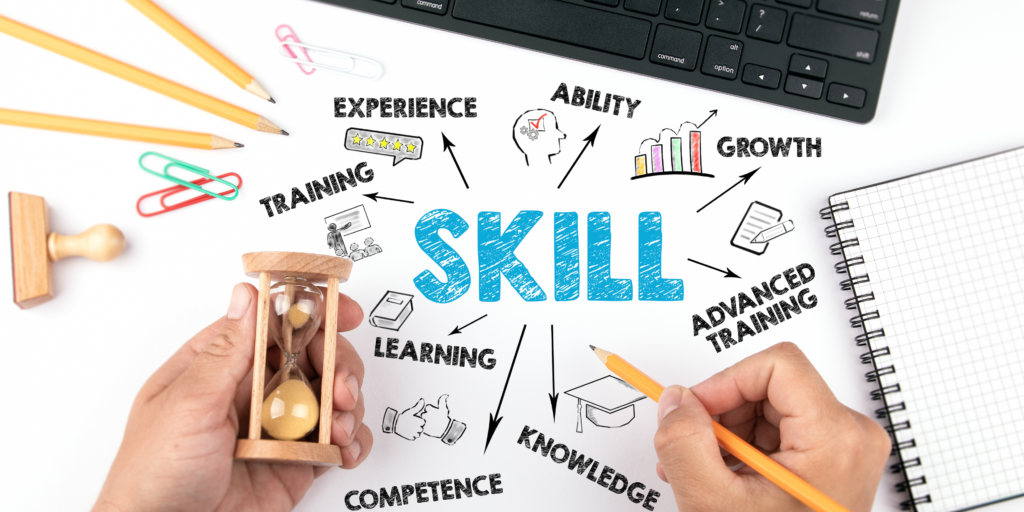
However, despite the growing importance of technology skills, a critical reality is becoming increasingly clear. Technology skills alone are not enough to guarantee career success. While technical knowledge may help individuals secure opportunities, long-term professional growth often depends on a broader combination of workplace skills, communication abilities, adaptability, leadership qualities, and emotional intelligence.
The future workforce will reward professionals who can combine technical expertise with human-centered capabilities. Employers are increasingly recognizing that successful employees do more than operate systems or understand software. They collaborate with people, solve complex problems, communicate ideas, and adapt to change. Understanding why technology skills alone are not enough can help students and professionals build stronger foundations for career readiness and long-term success.
The Rising Demand for Technology Skills
The digital economy has created enormous demand for technology-related expertise. Organizations across nearly every industry rely on technology to improve efficiency, enhance customer experiences, and support innovation.
Fields such as artificial intelligence, cybersecurity, software development, cloud computing, data science, and digital marketing continue expanding rapidly. Employers actively seek candidates who possess technical skills relevant to these areas.
This demand has encouraged many students and professionals to focus heavily on technology training and digital certifications. While this approach provides significant advantages, it can sometimes create the mistaken belief that technical expertise alone determines professional success.
In reality, employers increasingly seek individuals who can combine technical competence with broader workplace capabilities.
Why Employers Look Beyond Technical Expertise
Hiring decisions are rarely based solely on technical qualifications. Employers evaluate candidates holistically because workplace success depends on multiple factors.
A software engineer may possess exceptional coding abilities, but if they struggle to communicate with team members, project outcomes may suffer. A data analyst may understand complex systems, yet ineffective presentation skills can limit the impact of valuable insights.
Organizations need professionals who can collaborate effectively, manage relationships, and contribute positively within diverse teams. These qualities complement technology skills and help create stronger workplace performance.
As a result, employers increasingly prioritize a balance between technical expertise and employability skills during recruitment and promotion decisions.
Communication Skills Remain Essential
Communication skills continue to rank among the most important workplace competencies regardless of industry. Even in highly technical roles, professionals must explain ideas, discuss challenges, and collaborate with colleagues.
Technology professionals frequently interact with managers, clients, stakeholders, and team members who may not possess the same technical knowledge. The ability to communicate clearly helps bridge these gaps and ensures projects move forward effectively.
Strong communication skills improve teamwork, reduce misunderstandings, and support professional growth. They also contribute to leadership development because effective leaders must inspire, guide, and inform others.
Without communication skills, even highly talented professionals may struggle to maximize the value of their technical expertise.
Problem-Solving Extends Beyond Technology
Technology often provides tools and solutions, but human judgment remains critical when addressing complex challenges. Problem-solving skills enable professionals to analyze situations, evaluate options, and make informed decisions.
Many workplace challenges involve ambiguity and require creative thinking. These situations cannot always be resolved through technical knowledge alone.
Professionals who combine technology skills with strong problem-solving abilities often create greater value because they understand both the tools and the broader context in which those tools are applied.
Organizations increasingly seek individuals who can think critically and approach challenges from multiple perspectives.

Adaptability Is a Competitive Advantage
The pace of technological change means that today’s most valuable technical skills may evolve rapidly. New tools, platforms, and systems emerge constantly, creating a need for continuous learning.
Adaptability allows professionals to remain effective despite changing circumstances. Individuals who embrace learning and adjust quickly often perform better in dynamic environments.
A professional who understands one programming language but refuses to learn new technologies may eventually face limitations. In contrast, someone with strong adaptability can acquire new skills and remain relevant.
This ability to evolve contributes directly to career readiness and long-term professional development.
Emotional Intelligence Matters in the Workplace
Emotional intelligence is often overlooked when discussing career success, yet it plays a significant role in professional environments. Emotional intelligence involves self-awareness, empathy, emotional regulation, and interpersonal understanding.
Technology can automate processes, analyze data, and improve efficiency, but it cannot fully replace human connection. Employees frequently work in teams, manage relationships, and navigate workplace dynamics.
Professionals with strong emotional intelligence often communicate more effectively, handle conflicts constructively, and build stronger professional relationships. These qualities contribute to workplace success and career growth.
As organizations place greater emphasis on collaboration and culture, emotional intelligence becomes increasingly valuable.
Leadership Requires More Than Technical Knowledge
Leadership is another area where technology skills alone are insufficient. While technical expertise may contribute to credibility, leadership depends on additional qualities.
Effective leaders inspire others, make decisions, manage change, and support team development. They communicate clearly, build trust, and encourage collaboration.
Many organizations promote individuals into leadership roles based on technical excellence. However, long-term success in these positions often requires leadership skills that extend beyond technical competence.
Developing leadership capabilities helps professionals expand their career opportunities and prepare for future responsibilities.
Teamwork Drives Organizational Success
Modern workplaces rely heavily on collaboration. Teams often consist of individuals with different backgrounds, expertise, and perspectives working toward shared objectives.
Technology professionals rarely work in isolation. They participate in projects that require coordination with marketing teams, business leaders, designers, analysts, and clients.
Strong teamwork skills help professionals contribute effectively within these environments. Collaboration encourages innovation, improves problem-solving, and strengthens project outcomes.
Employees who work well with others often create greater value than those who focus exclusively on technical performance.

Creativity Cannot Be Automated Easily
As automation and artificial intelligence continue advancing, creativity is becoming increasingly important. Technology can process information efficiently, but human creativity remains essential for generating original ideas and innovative solutions.
Creative thinking allows professionals to approach challenges differently and identify opportunities that others may overlook. It contributes to product development, strategic planning, marketing, design, and countless other areas.
Organizations benefit from employees who combine technical expertise with creativity because they can transform ideas into meaningful results.
Creativity helps professionals remain valuable in environments where routine tasks become increasingly automated.
Career Readiness Requires a Balanced Skill Set
Career readiness involves more than mastering technology. It includes developing a combination of technical knowledge and workplace skills that support professional success.
Communication, adaptability, critical thinking, leadership, teamwork, emotional intelligence, and problem-solving all contribute to workforce readiness. These skills help individuals navigate professional environments effectively while maximizing the impact of their technical abilities.
Students and professionals who focus exclusively on technology skills may overlook areas that significantly influence employability and career growth.
A balanced skill set creates stronger career opportunities and supports long-term success.
Lifelong Learning Is More Valuable Than Static Expertise
One of the most important lessons in today’s workforce is that learning never stops. Technology evolves continuously, making lifelong learning essential for maintaining relevance.
Professionals who remain curious and committed to growth often outperform those who rely solely on existing expertise. They adapt more effectively to change and identify emerging opportunities.
Lifelong learning includes both technical development and personal growth. It encourages individuals to strengthen workplace skills while staying informed about industry trends.
The future workforce will reward learners who continuously improve and expand their capabilities.
Why Universities Are Expanding Beyond Technical Education
Educational institutions increasingly recognize that technical training alone is not enough to prepare students for modern careers. Universities are incorporating employability skills, leadership development, communication training, and experiential learning into academic programs.
This broader approach helps students develop the competencies employers value most. Graduates enter the workforce with stronger career readiness and a more balanced professional profile.
Universities understand that successful careers require a combination of knowledge, skills, adaptability, and confidence.
Preparing students for future success means focusing on both technology and human-centered development.
The Future Workforce Will Reward Well-Rounded Professionals
The future workforce will continue emphasizing technology, but it will also place significant value on uniquely human capabilities. Communication, creativity, empathy, adaptability, and leadership remain difficult to automate and increasingly important in professional environments.
Technology skills create opportunities, but human skills often determine how effectively those opportunities are utilized. Professionals who combine both areas of strength are likely to achieve greater career growth and workplace success.
Organizations will continue seeking individuals who can navigate complexity, collaborate effectively, and contribute to innovation while maintaining strong interpersonal relationships.
Conclusion
Technology skills are undeniably important in today’s digital world, but they represent only one part of the equation for career success. While technical expertise helps professionals remain competitive, long-term growth depends on a broader combination of workplace skills and personal capabilities.
Communication, adaptability, leadership, emotional intelligence, teamwork, creativity, and problem-solving enhance the value of technology skills and contribute to career readiness. These qualities enable professionals to thrive in dynamic environments where change is constant and collaboration is essential.
The most successful professionals of the future will not be those who possess technical knowledge alone. They will be individuals who combine technology skills with human-centered strengths, continuous learning, and professional adaptability.
In a rapidly evolving workforce, the ability to connect, communicate, learn, and lead may ultimately be just as important as the ability to code, analyze, or automate
More Blogs you may read
Learning Through Global Networks: How International Collaboration Is Transforming Modern Education 2026
Learning Through Global Networks Education has always been a powerful...
Read More
Why Employers Support Apprenticeship Degrees: How Work-Based Learning Creates Career-Ready Graduates 2026
Why Employers Support Apprenticeship Degrees The relationship between higher education...
Read MoreAvoiding Career Decisions Based on Social Pressure: A Complete Guide to Choosing the Right Career With Confidence 2026
Avoiding Career Decisions Based on Social Pressure Choosing a career...
Read MoreCommon Technical Problems During Online Exams: Complete Guide to Avoid Exam-Day Disruptions 2026
Common Technical Problems During Online Exams Online examinations have become...
Read More