Why Students Are Learning More From Communities Than Classrooms
Education is experiencing a remarkable transformation. For decades, classrooms were considered the primary source of knowledge, guidance, and academic growth. Students attended lectures, completed assignments, and depended heavily on textbooks to build their understanding of the world. While classrooms continue to play an important role in education, a noticeable shift is taking place. More students are finding valuable knowledge, practical insights, and meaningful learning experiences through communities rather than traditional classroom settings.
The rise of community learning is changing how students acquire skills, solve problems, and prepare for future careers. Whether through online groups, professional networks, local organizations, peer communities, or industry-focused forums, students are increasingly discovering that learning extends far beyond school walls. This evolution is creating exciting opportunities while also challenging conventional educational models. As modern education adapts to changing demands, communities are becoming powerful environments where students gain real-world understanding, develop confidence, and build essential skills that traditional classrooms often struggle to provide.
The Rise of Community Learning in Modern Education
The concept of learning through communities is not entirely new, but technology has accelerated its growth dramatically. Students today have access to global networks where they can connect with people who share similar interests, career goals, and educational ambitions. These communities provide opportunities for discussions, mentorship, collaboration, and practical learning experiences.
Unlike traditional classrooms that often follow fixed curricula, community learning environments are dynamic and continuously evolving. Students can engage with current trends, emerging technologies, and real-world challenges as they happen. This creates a more relevant and engaging learning experience.
Many students find community learning refreshing because it allows them to explore subjects beyond academic requirements. Instead of learning solely for examinations, they learn to solve genuine problems, contribute ideas, and participate in meaningful conversations. This active involvement creates stronger engagement and deeper understanding.
Why Traditional Classrooms Sometimes Feel Limiting
Classrooms remain essential, but they are not always designed to meet every student’s learning needs. Traditional educational systems often operate within structured frameworks that prioritize standardization and assessment. While this approach provides consistency, it can sometimes limit creativity, flexibility, and personalized exploration.
Students frequently encounter situations where classroom lessons focus heavily on theoretical concepts while offering limited exposure to practical applications. This gap can create frustration among learners who want to understand how knowledge functions in real-life situations.
Additionally, classrooms often move at a predetermined pace. Some students may feel overwhelmed by rapid progression, while others may find the pace too slow. Communities, on the other hand, allow learners to engage with content according to their interests and individual learning styles. This flexibility contributes significantly to student development and educational growth.
Learning Through Shared Experiences
One of the strongest advantages of community learning is the opportunity to learn from real experiences. In classrooms, students often receive information from instructors and textbooks. Within communities, they gain access to individuals who have faced actual challenges, achieved professional success, and navigated complex situations.
When students hear firsthand experiences from entrepreneurs, industry experts, professionals, and fellow learners, the learning process becomes more authentic. These stories provide practical context that textbooks cannot always deliver.
For example, a student interested in digital marketing may learn theoretical concepts in class. However, participating in a marketing community allows them to understand campaign strategies, industry trends, consumer behavior, and real business challenges directly from experienced professionals. This practical exposure strengthens knowledge and improves confidence.
The Power of Peer Learning
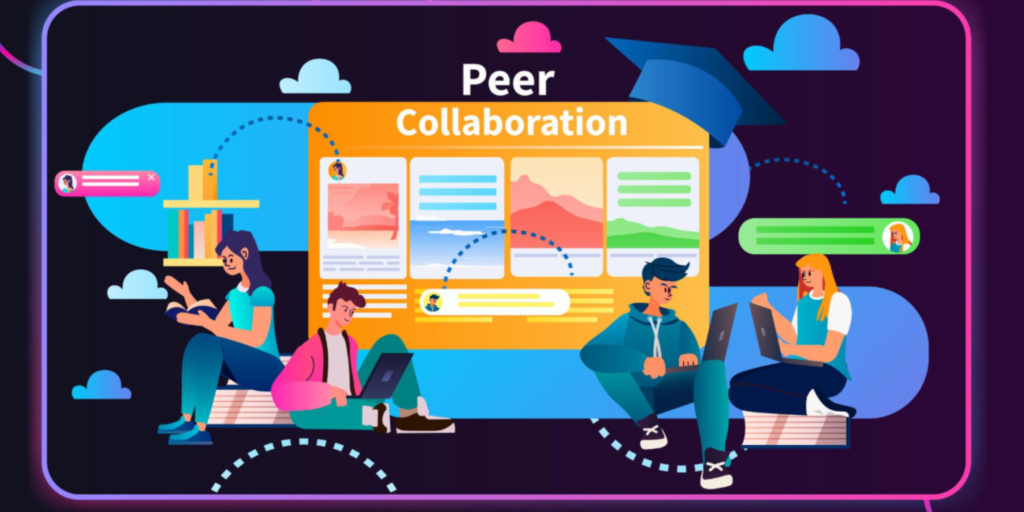
Peer learning has emerged as one of the most influential aspects of educational communities. Students often feel more comfortable asking questions, sharing concerns, and discussing ideas with peers who are experiencing similar challenges.
Within student learning communities, knowledge flows in multiple directions. Instead of relying solely on a teacher, students learn from one another’s perspectives, experiences, and problem-solving approaches. This collaborative learning environment encourages critical thinking and active participation.
Peer learning also helps students develop communication skills, teamwork abilities, and emotional awareness. These competencies are highly valued in modern workplaces and contribute significantly to future success. Through regular interaction with peers, students gain exposure to diverse viewpoints that broaden their understanding and strengthen their decision-making abilities.
Digital Communities Are Expanding Educational Opportunities
The growth of digital learning communities has transformed access to education. Students can now join global networks focused on technology, business, design, healthcare, science, entrepreneurship, and countless other fields. Geographic barriers no longer prevent learners from connecting with experts and like-minded individuals.
Online communities provide access to webinars, workshops, discussions, mentorship opportunities, and collaborative projects. Students can participate in conversations with professionals from different countries, gaining valuable international perspectives.
These digital environments often move faster than traditional educational institutions. New developments, industry changes, and innovative practices are discussed immediately, allowing students to remain informed and adaptable. This timely access to information helps learners stay competitive in rapidly evolving industries.
Real-World Learning Creates Lasting Impact
Many students are discovering that practical learning experiences leave a stronger impression than passive instruction. Community-based education emphasizes active participation rather than simple information consumption.
Students involved in educational communities often engage in projects, discussions, problem-solving activities, and collaborative initiatives. These experiences require them to apply knowledge rather than merely memorize it.
When learners use information to solve actual problems, retention improves significantly. They develop a deeper understanding of concepts and gain confidence in their abilities. This practical approach also helps students recognize the relevance of their education, increasing motivation and engagement.
The connection between theory and application becomes much clearer when students participate in real-world learning environments. As a result, educational communities often complement classroom instruction by providing experiences that enhance understanding.

Mentorship and Networking Opportunities
Communities frequently provide access to mentors who offer valuable guidance and support. Many students benefit from advice shared by experienced professionals who have already navigated similar educational and career journeys.
Mentorship can help students avoid common mistakes, identify opportunities, and make informed decisions about their future. Having access to knowledgeable individuals creates a sense of direction that traditional classroom settings may not always provide.
Networking opportunities also play a major role in community learning. Students can build relationships with professionals, educators, entrepreneurs, and fellow learners. These connections often lead to internships, collaborations, career opportunities, and long-term professional growth.
The ability to interact with individuals from diverse backgrounds expands perspectives and encourages continuous learning.
Communities Encourage Lifelong Learning
One of the most significant advantages of community learning is its emphasis on continuous growth. Classroom education often follows a structured timeline with defined start and end points. Communities operate differently.
Educational communities encourage learners to remain curious, engaged, and open to new ideas throughout their lives. Students become active participants in their own development rather than passive recipients of information.
This mindset is increasingly important in today’s rapidly changing world. Industries evolve, technologies advance, and professional requirements shift frequently. Lifelong learning enables students to adapt successfully to these changes and remain competitive in the future workforce.
Communities foster this habit by creating environments where learning is ongoing, accessible, and connected to real-world developments.
Finding the Right Balance Between Communities and Classrooms
While communities offer tremendous educational value, classrooms continue to provide essential foundations. Formal education delivers structured knowledge, academic credibility, and comprehensive learning frameworks that remain important for student success.
The most effective approach is not choosing one over the other but combining both. Classrooms provide theoretical understanding, while communities add practical insights, collaboration, mentorship, and real-world exposure.
Students who leverage both environments often gain a more complete educational experience. They develop strong academic foundations while also acquiring practical skills, professional connections, and adaptable learning habits.
This balanced approach prepares students for the demands of modern careers and creates opportunities for personal growth.

The Future of Education Is Community-Driven
The future of education is becoming increasingly interconnected. As technology continues advancing and access to information expands, communities will play an even greater role in shaping student learning experiences.
Educational institutions are beginning to recognize the value of collaborative learning, experiential learning, and community engagement. Many schools and universities are integrating community-based projects, mentorship programs, and industry partnerships into their educational models.
Students are no longer limited to learning from a single source. They can learn from experts, peers, professionals, creators, and global communities simultaneously. This diversity of perspectives creates richer learning experiences and better prepares learners for an increasingly complex world.
Conclusion
The growing popularity of community learning reflects a major shift in modern education. Students are learning more from communities than classrooms because communities offer practical experience, peer collaboration, mentorship, networking opportunities, and real-world insights that complement traditional education. While classrooms continue to provide valuable academic foundations, communities bring learning to life through meaningful interaction and active participation.
As the future of education continues evolving, community learning will become an increasingly important part of student success. By combining classroom knowledge with community engagement, students can build stronger skills, expand their perspectives, and prepare themselves for long-term growth in both their personal and professional lives. The most successful learners of the future will not be those who rely on a single source of knowledge, but those who embrace every opportunity to learn, connect, and grow through educational communities.
More Blogs you may read
Learning Through Global Networks: How International Collaboration Is Transforming Modern Education 2026
Learning Through Global Networks Education has always been a powerful...
Read More
Why Employers Support Apprenticeship Degrees: How Work-Based Learning Creates Career-Ready Graduates 2026
Why Employers Support Apprenticeship Degrees The relationship between higher education...
Read MoreAvoiding Career Decisions Based on Social Pressure: A Complete Guide to Choosing the Right Career With Confidence 2026
Avoiding Career Decisions Based on Social Pressure Choosing a career...
Read MoreCommon Technical Problems During Online Exams: Complete Guide to Avoid Exam-Day Disruptions 2026
Common Technical Problems During Online Exams Online examinations have become...
Read More