
Why Employers Reject Freshers Despite Good Marks
For many students, earning high marks in school and college feels like the safest path toward a successful career. From an early age, academic performance is often treated as the main indicator of intelligence, discipline, and future potential. Students spend years preparing for examinations, sacrificing personal time, managing pressure, and competing intensely to achieve strong grades. However, after graduation, many freshers experience an unexpected and discouraging reality — employers still reject them despite excellent academic scores.
This situation creates confusion and frustration among graduates who believe their marks alone should guarantee job opportunities. Many freshers begin questioning their abilities when they face repeated interview rejections, limited callbacks, or difficulty securing stable employment. The truth is that the modern job market has changed significantly, and employers now evaluate candidates using far broader criteria than academic performance alone.
In 2026, companies are searching for professionals who can contribute immediately to workplace environments, adapt to changing business needs, communicate effectively, and solve practical problems confidently. Good marks still carry importance, but they no longer guarantee employability in highly competitive industries.
The growing gap between academic education and real-world workplace expectations is one of the biggest reasons employers reject freshers despite strong academic results. Businesses want individuals who combine knowledge with practical ability, communication skills, emotional intelligence, and adaptability.
Employers Prioritize Skills Over Marks
One of the most important reasons employers reject freshers is the increasing importance of practical skills in the hiring process. Academic scores often reflect how well students perform in examinations, but companies want employees who can handle real business challenges efficiently.
Many graduates possess theoretical knowledge but struggle to apply concepts in practical situations. Employers frequently notice that some freshers lack problem-solving ability, industry awareness, teamwork experience, or confidence during workplace interactions.
For example, a student may achieve excellent marks in computer science but still struggle with practical coding tasks, project collaboration, or client communication. Similarly, business graduates may understand textbook concepts yet face difficulty handling real-world decision-making or presentations.
The future workplace values execution and adaptability more than memorization alone. Companies prefer candidates who can contribute productively from the beginning rather than requiring extensive training for basic professional responsibilities.
This shift has increased the importance of internships, certifications, hands-on projects, and industry exposure alongside academic achievement.
Communication Skills Strongly Influence Hiring Decisions
Communication is one of the most overlooked reasons why freshers face rejection despite strong grades. Many students focus heavily on academic preparation while neglecting speaking skills, presentation ability, confidence, and professional interaction.
Employers want individuals who can express ideas clearly, participate in discussions, communicate with clients, and work smoothly within teams. Poor communication often creates hesitation during interviews, even when candidates possess excellent technical knowledge.
Freshers who struggle to explain their thoughts confidently may appear unprepared or uncertain to recruiters. Interviewers often evaluate not only what candidates know but also how effectively they communicate that knowledge.
In modern workplaces, communication affects productivity, teamwork, leadership, and customer relationships. Employees constantly interact with managers, colleagues, and clients, making interpersonal ability highly valuable.
Students who actively participate in presentations, group discussions, internships, and extracurricular activities often develop stronger communication confidence than those who focus only on examination performance.
The growing emphasis on workplace collaboration means communication skills are now considered essential employability skills rather than optional qualities.
Lack of Practical Experience Creates Challenges
Another major reason employers reject freshers is the absence of practical exposure. Many graduates complete academic programs without participating in internships, live projects, freelance work, or industry-based training.
Employers understand that freshers may not have extensive professional experience, but they still expect some level of practical understanding. Candidates who have worked on projects, completed internships, or handled real-world assignments often appear more job-ready.
Practical experience helps students understand workplace expectations, deadlines, teamwork, communication, and professional responsibility. It also gives candidates stronger confidence during interviews because they can discuss real examples instead of theoretical concepts alone.
Companies often hesitate to hire freshers who appear disconnected from industry realities. Businesses want employees who can adjust quickly and contribute efficiently without struggling to understand basic workplace dynamics.
The increasing competition in the job market has made practical learning more important than ever before. Freshers who combine academics with real-world experience usually gain stronger advantages during recruitment processes.
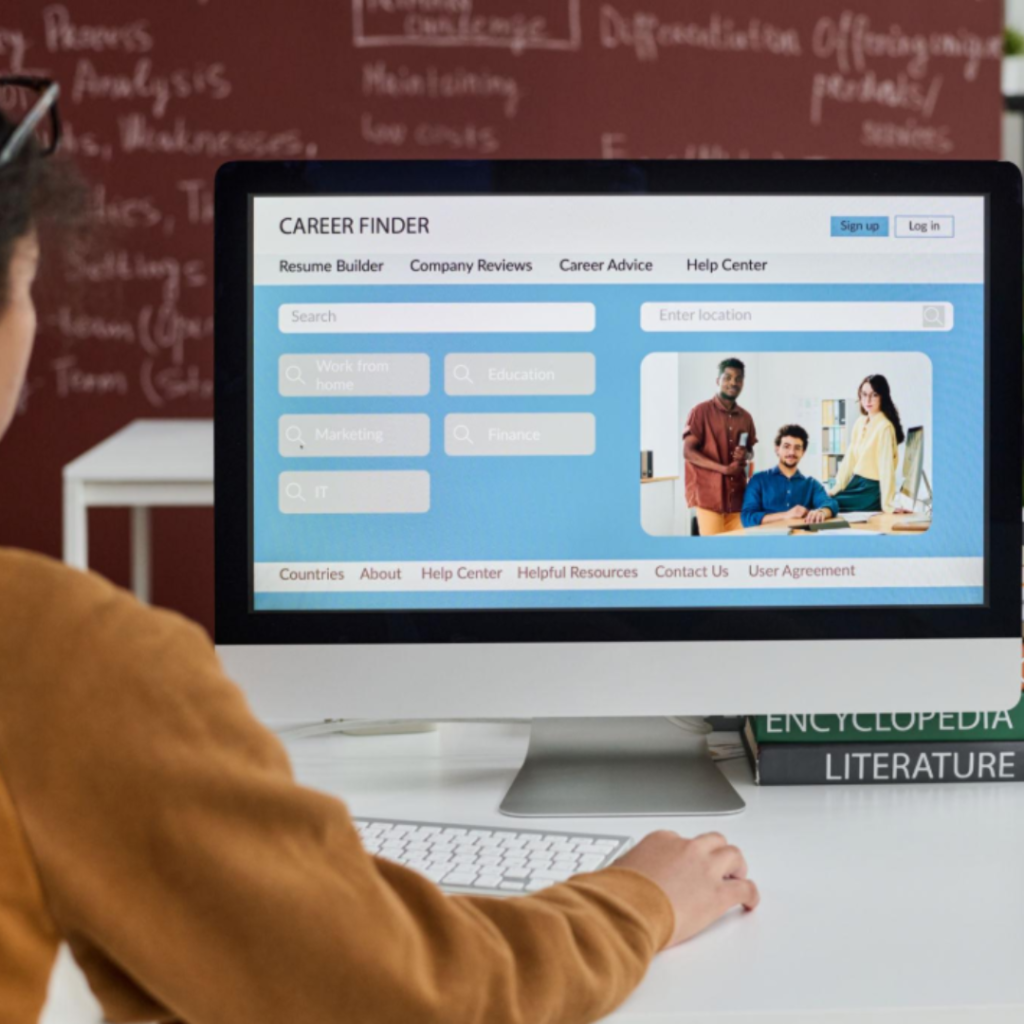
Many Freshers Lack Adaptability
The professional world changes rapidly due to technology, automation, digital transformation, and evolving customer expectations. Employers now value adaptable individuals who can learn quickly and handle changing responsibilities effectively.
Some freshers struggle because they expect jobs to match fixed academic structures rather than dynamic workplace conditions. Companies need professionals who can manage uncertainty, learn continuously, and respond positively to new challenges.
Adaptability has become especially important in industries influenced by artificial intelligence, remote work, cloud technology, and digital systems. Employees who resist change or depend entirely on structured instructions may struggle in modern organizations.
Freshers who demonstrate curiosity, willingness to learn, and flexibility often create better impressions during interviews. Employers appreciate candidates who show enthusiasm for growth rather than focusing only on academic achievements.
The future workforce increasingly rewards professionals who evolve alongside industry changes instead of relying only on degrees or examination scores.
Soft Skills Matter More Than Students Realize
Soft skills have become one of the strongest factors influencing hiring decisions. Employers often reject academically strong freshers because they lack qualities such as teamwork, emotional intelligence, time management, leadership, or professional attitude.
Modern workplaces depend heavily on collaboration and relationship-building. Employees must handle pressure calmly, solve conflicts professionally, and cooperate effectively with diverse teams.
Students who spend all their energy chasing marks sometimes overlook personal development. While academic excellence remains valuable, companies also want professionals who can build positive workplace environments.
Recruiters frequently observe how candidates behave during interviews, interact with staff, respond to difficult questions, and present themselves professionally. Small behaviors can strongly influence hiring decisions.
Freshers with balanced personalities, confidence, and emotional maturity often perform better professionally than candidates who rely only on academic strength.
This is one reason employers increasingly prioritize holistic development rather than focusing solely on marksheets.
The Education System Does Not Always Match Industry Needs
A growing problem in many countries is the disconnect between academic education and industry requirements. Some educational institutions still focus heavily on theoretical learning and examination systems while providing limited practical exposure.
As industries evolve rapidly, many academic programs struggle to update their curriculum quickly enough. This creates graduates who may possess academic knowledge but lack current industry skills and technological awareness.
For example, businesses now expect familiarity with digital tools, software platforms, online collaboration systems, and data-driven decision-making. Students who graduate without exposure to modern workplace technologies may appear underprepared.
Employers often spend significant resources training new hires, so they prefer candidates who already possess some practical readiness. Freshers who independently learn additional skills through certifications, online courses, or projects usually stand out more positively.
The future of education increasingly depends on combining theory with practical skill development.

Employers Look for Problem-Solving Ability
Companies value candidates who can think critically and solve problems independently. Unfortunately, many students are trained primarily to memorize information for examinations rather than analyze real situations creatively.
During interviews, recruiters often ask scenario-based questions to evaluate decision-making and analytical thinking. Freshers who rely only on memorized answers may struggle when faced with unpredictable discussions.
Problem-solving ability reflects intelligence in practical situations rather than academic performance alone. Employers want professionals who can handle challenges calmly, contribute innovative ideas, and make thoughtful decisions under pressure.
Industries today face constant disruption due to changing technology and market conditions. Businesses need employees capable of responding creatively to new challenges rather than depending entirely on fixed instructions.
Students who engage in projects, competitions, internships, and collaborative learning environments often develop stronger critical-thinking abilities than those focused exclusively on textbook learning.
Confidence and Professionalism Influence Recruiters
Interview performance often determines whether freshers receive job offers. Some students with excellent marks struggle because they lack confidence, preparation, or professional presentation skills during interviews.
Employers evaluate body language, attitude, enthusiasm, and communication alongside qualifications. Candidates who appear nervous, disinterested, or overly dependent on scripted answers may leave weaker impressions.
Professionalism also includes punctuality, resume quality, online presence, dressing sense, and interview etiquette. Small mistakes sometimes influence recruiter decisions significantly.
Freshers who prepare thoroughly, research companies, practice interviews, and improve communication usually perform more confidently during hiring processes.
Confidence does not mean arrogance. Employers appreciate candidates who show humility, willingness to learn, and positive energy alongside competence.
In many cases, personality and attitude influence hiring decisions just as strongly as technical knowledge.
Continuous Learning Is Becoming Essential
One of the biggest reasons employers reject freshers is the expectation that learning ends after graduation. In reality, industries are evolving continuously, and companies prefer candidates who demonstrate curiosity and self-improvement.
Students who actively learn new technologies, certifications, communication techniques, and industry trends often appear more motivated and future-ready. Employers value individuals who invest in personal growth beyond academic requirements.
Continuous learning has become essential because job roles are changing rapidly due to digital transformation and automation. Professionals who remain adaptable and updated are more likely to succeed long-term.
Freshers who combine strong academics with ongoing skill development create much stronger professional profiles in competitive industries.
Conclusion
Employers reject freshers despite good marks because modern hiring decisions depend on far more than academic performance alone. While strong grades still reflect dedication and discipline, companies now prioritize practical skills, communication ability, adaptability, emotional intelligence, and problem-solving capacity.
The future job market values candidates who can contribute effectively in real workplace environments rather than relying only on theoretical knowledge. Freshers who lack internships, practical exposure, confidence, or interpersonal skills often struggle despite excellent academic records.
This does not mean marks have become meaningless. Instead, it highlights the growing importance of balanced development. Students who combine education with practical learning, soft skills, continuous self-improvement, and industry awareness are more likely to succeed professionally.
In 2026 and beyond, career success will increasingly belong to individuals who adapt quickly, communicate confidently, and continuously evolve alongside changing workplace expectations. Academic excellence remains important, but true employability now depends on a much broader set of future-ready skills.
More Blogs you may read
Learning Through Global Networks: How International Collaboration Is Transforming Modern Education 2026
Learning Through Global Networks Education has always been a powerful...
Read More
Why Employers Support Apprenticeship Degrees: How Work-Based Learning Creates Career-Ready Graduates 2026
Why Employers Support Apprenticeship Degrees The relationship between higher education...
Read MoreAvoiding Career Decisions Based on Social Pressure: A Complete Guide to Choosing the Right Career With Confidence 2026
Avoiding Career Decisions Based on Social Pressure Choosing a career...
Read MoreCommon Technical Problems During Online Exams: Complete Guide to Avoid Exam-Day Disruptions 2026
Common Technical Problems During Online Exams Online examinations have become...
Read More