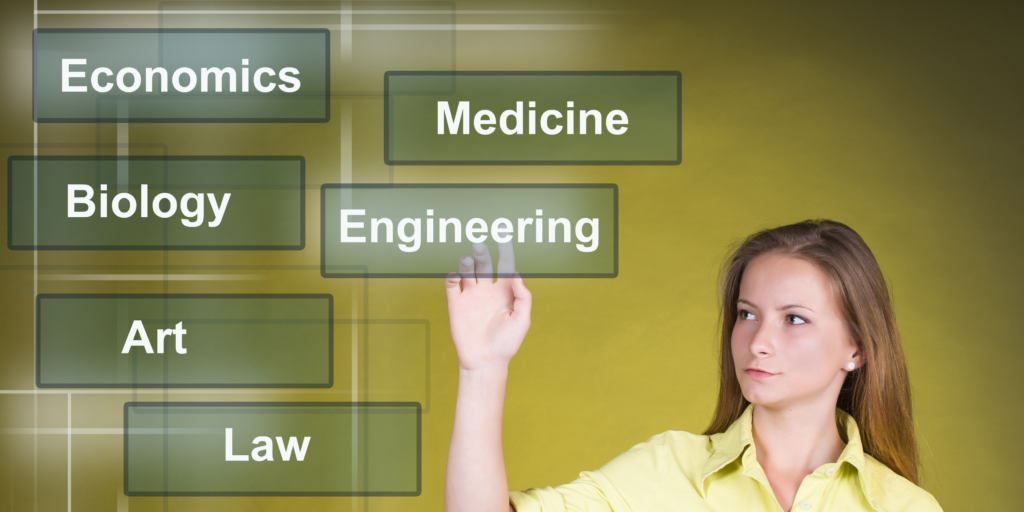
Why Educational Choices Are Becoming More Strategic
Education has always been an important part of personal growth and professional development. For generations, students selected schools, colleges, and academic programs based on factors such as reputation, location, family traditions, or personal interests. While these considerations continue to matter, the process of making educational choices has become far more strategic than ever before.
Today’s students are entering a world shaped by rapid technological advancement, evolving industries, changing workforce expectations, and increasing global competition. As a result, educational decisions are no longer viewed simply as academic choices. They are increasingly seen as long-term investments that influence career opportunities, employability, financial stability, and future success.
This shift has transformed how students, parents, educators, and institutions approach education. Individuals are spending more time researching programs, evaluating outcomes, analyzing career pathways, and identifying opportunities that align with future goals. Educational choices are becoming more deliberate because the consequences of those decisions often extend far beyond graduation.
Understanding why educational choices are becoming more strategic offers valuable insight into the future of education, workforce development, and student success.
The Connection Between Education and Career Outcomes
One of the most significant reasons educational choices are becoming more strategic is the growing connection between education and career outcomes.
Students increasingly recognize that educational pathways influence future opportunities. Academic programs, certifications, internships, industry experiences, and skill development initiatives can all shape professional prospects.
As workforce expectations evolve, learners want educational experiences that provide practical value rather than simply academic credentials.
This mindset encourages students to evaluate educational options through a career-focused lens. They ask important questions about employability, skill development, job market demand, professional growth, and long-term opportunities.
Educational choices are therefore becoming closely linked to career planning.
The stronger the relationship between education and future success, the more strategic the decision-making process becomes.
Why Students Are Researching More Than Ever
Access to information has transformed how educational decisions are made.
In previous decades, students often relied on local resources, family advice, and institutional marketing materials when evaluating educational options. Today, vast amounts of information are available online.
Students can compare programs, explore career outcomes, review industry trends, analyze salary data, and learn about emerging professions with remarkable ease.
This accessibility encourages more informed decision-making.
Learners no longer select educational pathways based solely on assumptions. Instead, they investigate opportunities thoroughly before committing to specific programs or institutions.
The ability to access information instantly has empowered students to become more strategic and proactive in planning their educational journeys.
Knowledge enables better decisions, and students are increasingly taking advantage of available resources.
Employability Has Become a Major Priority
Employability is now one of the most influential factors shaping educational choices.
Students understand that academic qualifications alone may not guarantee professional success. Employers increasingly seek candidates who possess practical skills, workplace readiness, adaptability, communication abilities, and real-world experience.
As a result, learners are evaluating educational opportunities based on how effectively they support employability.
Programs that offer internships, industry partnerships, experiential learning, mentorship opportunities, and career development resources often attract greater interest.
Students want education that prepares them not only for examinations but also for professional environments.
This focus on employability reflects a broader understanding of what educational success means in the modern world.
Career readiness has become a critical consideration in educational planning.

The Influence of Future Workforce Trends
Future workforce trends are encouraging students to think more strategically about education.
Automation, artificial intelligence, digital transformation, sustainability initiatives, and technological innovation continue reshaping industries across the globe.
Many students recognize that future careers may look very different from those available today.
This awareness encourages them to select educational pathways that provide flexibility and adaptability.
Rather than preparing for a single profession, students increasingly focus on developing transferable skills that remain valuable across multiple industries.
Strategic educational planning helps learners remain competitive as workforce demands evolve.
The ability to anticipate future opportunities and challenges has become an important aspect of educational decision-making.
Why Skill Development Is Influencing Educational Choices
Another major factor driving strategic educational decisions is the growing importance of skills.
Employers consistently emphasize communication, critical thinking, leadership, teamwork, creativity, adaptability, and digital literacy.
These competencies often influence hiring decisions as much as academic qualifications.
Students therefore seek educational experiences that support comprehensive skill development.
Programs emphasizing experiential learning, collaborative projects, practical assignments, and professional engagement often appear more attractive because they provide opportunities to build valuable competencies.
Educational choices are increasingly guided by questions about what skills students will develop rather than simply what subjects they will study.
This shift reflects changing definitions of success in both education and employment.
Higher Education Is Becoming More Outcome-Focused
Educational institutions themselves are contributing to this trend.
Universities and colleges increasingly highlight student outcomes, graduate employability, career placement rates, industry connections, and professional development opportunities.
Prospective students are encouraged to consider the practical benefits of educational programs alongside academic content.
This emphasis on outcomes helps learners evaluate options more strategically.
Students want evidence that educational experiences will contribute to meaningful opportunities after graduation.
Institutions that demonstrate strong student outcomes often attract greater interest because they align with modern expectations regarding educational value.
Outcome-focused education reinforces the importance of thoughtful educational planning.
Financial Considerations Are Shaping Decisions
Educational choices often involve significant financial investments.
Tuition fees, living expenses, educational materials, and opportunity costs can influence decision-making considerably.
As education becomes increasingly connected to career outcomes, students and families are paying closer attention to return on investment.
They evaluate educational opportunities based on affordability, earning potential, career prospects, and long-term value.
This does not mean education is viewed purely as a financial transaction. Rather, it reflects a desire to make informed decisions that balance personal interests with practical realities.
Financial awareness encourages strategic thinking and careful evaluation of educational pathways.
Students increasingly seek opportunities that support both personal fulfillment and economic stability.
Lifelong Learning Is Changing Educational Planning
The concept of lifelong learning is also influencing educational choices.
Students understand that future success will require continuous skill development rather than a single educational experience.
As a result, they are selecting programs that provide strong foundations for ongoing growth.
Flexible learning pathways, professional certifications, digital learning opportunities, and interdisciplinary programs are gaining popularity because they support long-term adaptability.
Learners want educational experiences that remain relevant as industries evolve.
This perspective encourages strategic planning because students view education as part of a lifelong journey rather than a temporary phase.
Educational choices increasingly reflect long-term thinking and future-oriented goals.

The Rise of Personalized Educational Pathways
Personalization is becoming another important factor in educational decision-making.
Students have diverse interests, strengths, aspirations, and learning preferences.
Modern educational systems increasingly offer flexible pathways that allow learners to customize their experiences.
Elective options, interdisciplinary programs, specialized certifications, and personalized learning opportunities provide greater control over educational journeys.
Students can align learning experiences more closely with individual goals.
This flexibility encourages strategic planning because learners can design pathways that support specific aspirations and career objectives.
Personalized education empowers students to take ownership of their development while pursuing opportunities that match their interests and ambitions.
Technology Is Expanding Educational Opportunities
Technology continues creating new educational possibilities.
Online learning platforms, virtual classrooms, digital certifications, and global educational resources allow students to access opportunities that were previously unavailable.
This expanded access encourages more strategic decision-making because learners can compare a wider range of options.
Technology also supports skill development in areas increasingly valued by employers.
Students who understand the importance of digital literacy often seek educational experiences that integrate technology effectively.
The growing influence of technology is therefore reshaping both educational delivery and educational planning.
Strategic learners recognize that technology-driven opportunities can contribute significantly to future success.
Preparing for Uncertainty Through Strategic Education
The future remains unpredictable.
Emerging industries, evolving technologies, economic shifts, and global developments continue creating new opportunities and challenges.
Educational choices are becoming more strategic because students want to prepare for uncertainty rather than simply react to it.
They seek educational experiences that develop adaptability, resilience, critical thinking, creativity, and lifelong learning habits.
These capabilities help individuals navigate changing circumstances while remaining confident and capable.
Strategic education focuses not only on immediate outcomes but also on long-term preparedness.
Students increasingly understand that flexibility may be one of the most valuable assets they can develop.
Balancing Passion and Practicality
A common misconception is that strategic educational planning eliminates personal interests.
In reality, many students are learning how to balance passion with practicality.
They seek educational pathways that align with their interests while also supporting career opportunities and professional growth.
This balanced approach often leads to stronger outcomes because students remain motivated while pursuing realistic goals.
Strategic educational choices involve thoughtful consideration of multiple factors rather than focusing exclusively on a single priority.
The ability to combine personal fulfillment with professional preparation is becoming an important aspect of modern educational planning.
Conclusion
Educational choices are becoming more strategic because the world itself is becoming more complex, competitive, and dynamic. Students increasingly recognize that educational decisions influence career opportunities, employability, professional development, and long-term success.
Access to information, changing workforce demands, technological advancement, skill development priorities, financial considerations, and lifelong learning expectations are all contributing to this transformation.
Modern learners are approaching education with greater awareness and intentionality. They are evaluating opportunities carefully, considering future outcomes, and seeking experiences that provide both personal and professional value.
This shift reflects a broader understanding that education is not simply about earning qualifications. It is about building capabilities, preparing for future challenges, and creating pathways toward meaningful success.
As industries continue evolving and new opportunities emerge, strategic educational planning will become even more important. Students who make informed, thoughtful decisions today will be better positioned to thrive in the rapidly changing world of tomorrow.
More Blogs you may read
Learning Through Global Networks: How International Collaboration Is Transforming Modern Education 2026
Learning Through Global Networks Education has always been a powerful...
Read More
Why Employers Support Apprenticeship Degrees: How Work-Based Learning Creates Career-Ready Graduates 2026
Why Employers Support Apprenticeship Degrees The relationship between higher education...
Read MoreAvoiding Career Decisions Based on Social Pressure: A Complete Guide to Choosing the Right Career With Confidence 2026
Avoiding Career Decisions Based on Social Pressure Choosing a career...
Read MoreCommon Technical Problems During Online Exams: Complete Guide to Avoid Exam-Day Disruptions 2026
Common Technical Problems During Online Exams Online examinations have become...
Read More