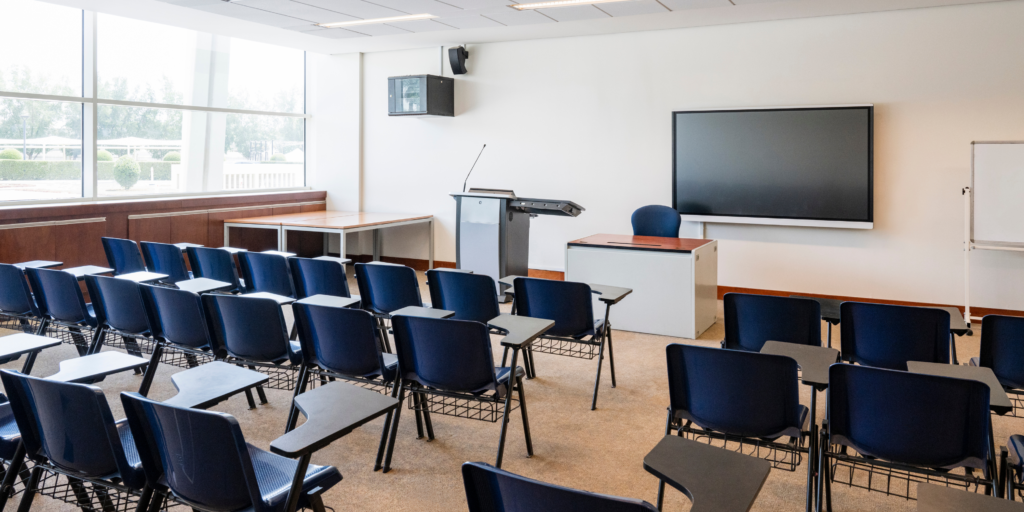
The Changing Role of Academic Institutions
Academic institutions have long been regarded as the foundation of education, knowledge creation, and intellectual development. For centuries, schools, colleges, and universities have played a crucial role in preparing individuals for personal growth, professional opportunities, and active participation in society. Traditionally, the primary focus of academic institutions was to provide knowledge, conduct research, and award qualifications that helped students enter the workforce.
However, the world has changed dramatically. Technological innovation, globalization, shifting workforce demands, digital transformation, and evolving student expectations have reshaped the educational landscape. As a result, the role of academic institutions is expanding far beyond traditional teaching and learning. Today’s institutions are becoming centers for career readiness, skill development, innovation, entrepreneurship, lifelong learning, and professional growth.
The changing role of academic institutions reflects a broader transformation in how society views education. Knowledge remains important, but educational success is increasingly measured by how effectively students can apply what they learn, adapt to change, and contribute meaningfully in professional environments. Academic institutions are responding by redesigning programs, embracing new technologies, strengthening industry partnerships, and focusing more closely on employability and student outcomes.
Understanding this evolution helps explain why modern education looks significantly different from previous generations and why academic institutions continue to play an essential role in shaping future careers.
From Knowledge Providers to Career Development Centers
For many years, academic institutions were primarily viewed as places where students acquired theoretical knowledge. Classrooms focused on lectures, textbooks, examinations, and academic achievement.
While these elements remain important, educational institutions now recognize that students require much more than academic excellence to succeed in today’s workforce.
Employers increasingly seek graduates who possess communication skills, adaptability, critical thinking, leadership abilities, teamwork experience, and practical expertise. Consequently, academic institutions are expanding their responsibilities to include career development and workforce preparation.
Career counseling services, internship programs, mentorship opportunities, employability workshops, and industry engagement initiatives have become common features of modern campuses.
Students are no longer expected to wait until graduation to think about their careers. Institutions actively encourage career exploration throughout the educational journey.
This shift demonstrates how academic institutions are becoming important contributors to long-term professional success.
The Growing Importance of Employability Skills
One of the most significant changes in higher education involves the growing emphasis on employability skills.
Organizations consistently report that technical knowledge alone is not enough. Employers value professionals who can collaborate effectively, communicate clearly, solve problems creatively, and adapt to changing circumstances.
Academic institutions are increasingly incorporating these skills into their educational models.
Students participate in group projects, presentations, leadership programs, experiential learning opportunities, and community initiatives designed to strengthen workplace readiness.
These experiences help students develop practical capabilities alongside academic knowledge.
The focus on employability reflects a broader understanding that education should prepare individuals not only to understand concepts but also to apply them successfully in professional environments.
As workforce expectations continue evolving, employability skills will remain a central component of educational transformation.
Technology Is Reshaping Educational Institutions
Technology has become one of the most influential forces driving change within academic institutions.
Digital learning platforms, virtual classrooms, artificial intelligence, cloud-based collaboration tools, and interactive educational technologies have transformed how students learn and engage with information.
Educational institutions are no longer limited by physical classrooms. Students can access learning materials from virtually anywhere, participate in global discussions, and engage with digital resources that support personalized learning experiences.
Technology also enables institutions to provide more flexible educational pathways.
Online certifications, hybrid learning models, micro-credentials, and professional development programs allow learners to continue building skills throughout different stages of life.
This flexibility aligns with the growing demand for lifelong learning and continuous professional development.
Technology is helping academic institutions become more accessible, responsive, and future-focused.
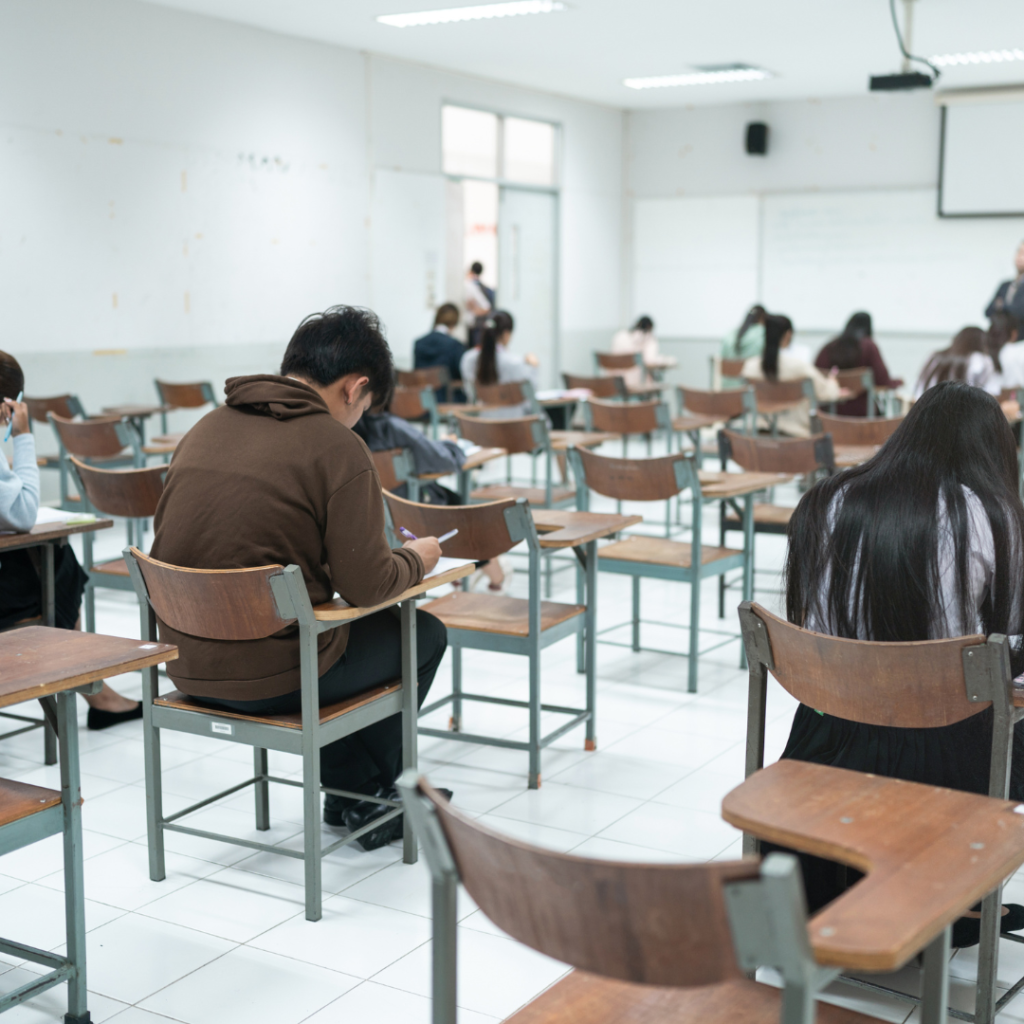
Why Lifelong Learning Is Becoming a Core Mission
The traditional view of education often suggested that learning occurred primarily during childhood and early adulthood. Today’s reality is very different.
Industries evolve rapidly, new technologies emerge frequently, and professional requirements change continuously. As a result, learning has become a lifelong process.
Academic institutions are increasingly embracing lifelong learning as a core mission.
Many universities and colleges now offer executive education programs, professional certifications, online courses, and continuing education opportunities designed for working professionals.
This shift reflects the understanding that career development does not end after graduation.
Individuals must continue learning throughout their careers to remain competitive and adaptable.
Academic institutions are becoming long-term learning partners rather than short-term educational providers.
Their role increasingly extends beyond degree completion into ongoing professional growth and skill development.
Strengthening Connections Between Education and Industry
Another important change involves stronger collaboration between academic institutions and industry.
Historically, educational programs and workplace expectations were sometimes disconnected. Graduates occasionally entered the workforce without a clear understanding of professional realities.
To address this challenge, institutions are building closer relationships with employers, industry leaders, and professional organizations.
These partnerships help ensure that educational content remains relevant and aligned with current workforce needs.
Students benefit through internships, industry projects, guest lectures, mentorship programs, and experiential learning opportunities.
Employers gain access to emerging talent while educational institutions receive valuable insights into changing industry demands.
This collaboration helps bridge the gap between education and employment, creating stronger outcomes for students and organizations alike.
Academic Institutions as Innovation Hubs
Modern academic institutions are increasingly serving as centers of innovation and creativity.
Research laboratories, entrepreneurship centers, startup incubators, and innovation hubs encourage students and faculty to develop solutions to real-world challenges.
These environments foster experimentation, critical thinking, and interdisciplinary collaboration.
Students are encouraged to explore ideas, develop prototypes, launch ventures, and contribute to meaningful research initiatives.
Innovation-focused education helps learners build confidence and problem-solving abilities while preparing them for dynamic professional environments.
Academic institutions are no longer simply transferring knowledge. They are actively generating new ideas and supporting innovation across industries.
This expanded role contributes to economic growth, technological advancement, and societal progress.
Supporting Student Well-Being and Personal Development
Educational success is increasingly viewed through a holistic lens. Academic achievement remains important, but institutions now recognize that student well-being significantly influences learning outcomes.
Mental health support, wellness programs, counseling services, peer mentoring, and personal development initiatives have become important components of modern education.
Academic institutions understand that students perform better when they feel supported emotionally, socially, and psychologically.
This broader approach reflects a growing awareness that education involves developing the whole person rather than focusing exclusively on academic performance.
Students benefit from environments that encourage resilience, self-awareness, confidence, and personal growth.
These qualities contribute not only to academic success but also to long-term career readiness and life satisfaction.
The Rise of Personalized Learning Experiences
Students today have diverse goals, interests, and learning preferences. Academic institutions are increasingly responding by offering more personalized educational experiences.
Flexible degree pathways, elective options, interdisciplinary programs, and customized learning opportunities allow students to shape educational journeys that align with individual aspirations.
Personalized learning encourages greater engagement because students can pursue topics and experiences relevant to their goals.
Technology also supports this trend by enabling adaptive learning systems and individualized educational resources.
The move toward personalization reflects a broader shift from standardized education models toward learner-centered approaches.
Academic institutions are becoming more responsive to student needs while supporting diverse pathways to success.
Preparing Students for an Uncertain Future
The future workforce is expected to experience significant change. Automation, artificial intelligence, sustainability initiatives, remote work, and global connectivity are transforming industries and creating new opportunities.
Academic institutions play a critical role in preparing students for this uncertainty.
Rather than focusing solely on specific job roles, educational programs increasingly emphasize adaptability, critical thinking, creativity, collaboration, and lifelong learning.
These transferable skills remain valuable regardless of industry changes.
Students who develop these capabilities are better positioned to navigate future challenges and seize emerging opportunities.
Future-ready education requires preparing learners not just for today’s jobs but for careers that may not yet exist.
Academic institutions are embracing this responsibility through innovative teaching approaches and forward-looking curricula.

Building Global Perspectives Through Education
Globalization has increased the importance of cross-cultural understanding and international awareness.
Academic institutions are responding by creating opportunities for students to engage with diverse perspectives and global issues.
International collaborations, study-abroad programs, virtual exchanges, and multicultural learning experiences help students develop broader worldviews.
Global awareness enhances communication, adaptability, and cultural intelligence.
These qualities are increasingly valuable in interconnected professional environments.
Educational institutions contribute to global citizenship by encouraging students to understand complex international challenges and work collaboratively across cultural boundaries.
This role continues growing as organizations operate within increasingly global contexts.
The Future of Academic Institutions
The future of academic institutions will likely involve continued transformation and innovation.
Educational organizations must remain responsive to technological developments, workforce changes, and evolving learner expectations.
Success will depend on balancing academic excellence with practical relevance, career readiness, and lifelong learning opportunities.
Institutions that embrace flexibility, innovation, and student-centered approaches will be better positioned to meet future demands.
The role of academic institutions will continue expanding beyond traditional education into areas such as workforce development, entrepreneurship, research, personal growth, and professional advancement.
This evolution reflects the growing importance of education as a lifelong journey rather than a single phase of life.
Conclusion
The changing role of academic institutions highlights one of the most significant transformations in modern education. No longer limited to delivering knowledge and awarding qualifications, today’s institutions are becoming dynamic centers for career readiness, skill development, innovation, lifelong learning, and student success.
Through stronger industry partnerships, technology integration, personalized learning experiences, and a focus on employability, academic institutions are adapting to meet the needs of a rapidly changing world.
Their influence now extends far beyond classrooms, helping students develop the skills, mindset, and resilience needed for future careers and lifelong growth.
As industries continue evolving and workforce expectations change, academic institutions will remain essential in preparing individuals to navigate complexity, embrace opportunity, and contribute meaningfully to society.
The future of education is not simply about learning information. It is about empowering people to apply knowledge, adapt continuously, and thrive in an ever-changing world. Academic institutions are leading that transformation and shaping the future of learning for generations to come.
More Blogs you may read
Learning Through Global Networks: How International Collaboration Is Transforming Modern Education 2026
Learning Through Global Networks Education has always been a powerful...
Read More
Why Employers Support Apprenticeship Degrees: How Work-Based Learning Creates Career-Ready Graduates 2026
Why Employers Support Apprenticeship Degrees The relationship between higher education...
Read MoreAvoiding Career Decisions Based on Social Pressure: A Complete Guide to Choosing the Right Career With Confidence 2026
Avoiding Career Decisions Based on Social Pressure Choosing a career...
Read MoreCommon Technical Problems During Online Exams: Complete Guide to Avoid Exam-Day Disruptions 2026
Common Technical Problems During Online Exams Online examinations have become...
Read More