
The Future of Higher Education:Will Degrees Exist in Their Current Form by 2040?
For generations, university degrees have been considered one of the most reliable pathways to professional success. A degree has traditionally represented knowledge, expertise, dedication, and readiness for the workplace. Parents encouraged their children to earn degrees, employers used them as hiring benchmarks, and universities built entire systems around structured academic programs. However, the world is changing rapidly, raising an important question: will degrees still exist in their current form by 2040?
The answer is more complex than a simple yes or no. Degrees are unlikely to disappear completely, but the way they are designed, delivered, valued, and evaluated may look dramatically different over the next fifteen years. Advances in technology, the rise of digital learning, changing workforce expectations, artificial intelligence, and skills-based hiring are already transforming higher education across the globe.
Today’s students are entering a world where knowledge is available instantly, industries evolve quickly, and career paths change more frequently than ever before. Employers increasingly prioritize practical skills, adaptability, and real-world experience alongside traditional qualifications. As a result, universities are facing growing pressure to rethink how education is delivered and how student achievement is measured.
The future of higher education is likely to combine tradition with innovation. Degrees may remain important, but they could evolve into more flexible, personalized, and skill-focused learning experiences.
The next generation of education may look very different from what students know today.
Why Traditional Degrees Became So Important
To understand the future, it is important to recognize why degrees became valuable in the first place. Universities were designed to provide structured education, specialized knowledge, and recognized credentials that signaled competence to employers.
For many years, degrees served as reliable indicators of academic achievement and professional preparation. They helped organizations identify candidates who had invested time and effort into developing expertise.
Degrees also created pathways into regulated professions such as medicine, law, engineering, and education.
Beyond technical knowledge, higher education offered networking opportunities, research experiences, and personal development.
These benefits remain valuable today.
However, the environment in which degrees gained importance was very different from the world emerging now.
Technological innovation and global connectivity are reshaping how people learn and work.
As these changes accelerate, universities must adapt to remain relevant.
The purpose of education is evolving alongside society.
The Rise of Skills-Based Hiring
One of the most significant forces influencing the future of degrees is the growing popularity of skills-based hiring.
Employers increasingly recognize that practical abilities often matter as much as formal qualifications.
Many organizations now evaluate candidates based on demonstrated competencies rather than educational credentials alone.
This shift has emerged because industries change rapidly and workplace demands evolve continuously.
Employers want professionals who can solve problems, communicate effectively, adapt to change, and contribute immediately.
Skills such as critical thinking, digital literacy, collaboration, and creativity are becoming highly valuable.
In some industries, certifications, portfolios, internships, and project experience can significantly influence hiring decisions.
Degrees still matter, but they are no longer the sole indicator of professional capability.
The future job market may place even greater emphasis on demonstrable skills.
This trend is encouraging educational institutions to rethink traditional models.
Digital Learning Is Transforming Education
Technology has dramatically expanded access to learning opportunities. Online courses, virtual classrooms, educational platforms, and digital certifications allow students to acquire knowledge from anywhere in the world.
Digital learning has challenged the idea that education must occur exclusively within physical campuses.
Students can now access specialized programs, industry training, and expert instruction without relocating or enrolling in traditional degree programs.
The convenience and affordability of online learning continue attracting learners across age groups.
Universities are increasingly incorporating digital tools into their educational offerings.
Hybrid learning models that combine online and in-person experiences are becoming more common.
By 2040, digital education may play an even larger role in higher education systems.
This transformation does not necessarily eliminate degrees, but it changes how they are delivered.
Learning is becoming more accessible, flexible, and personalized.
Technology is redefining educational possibilities.
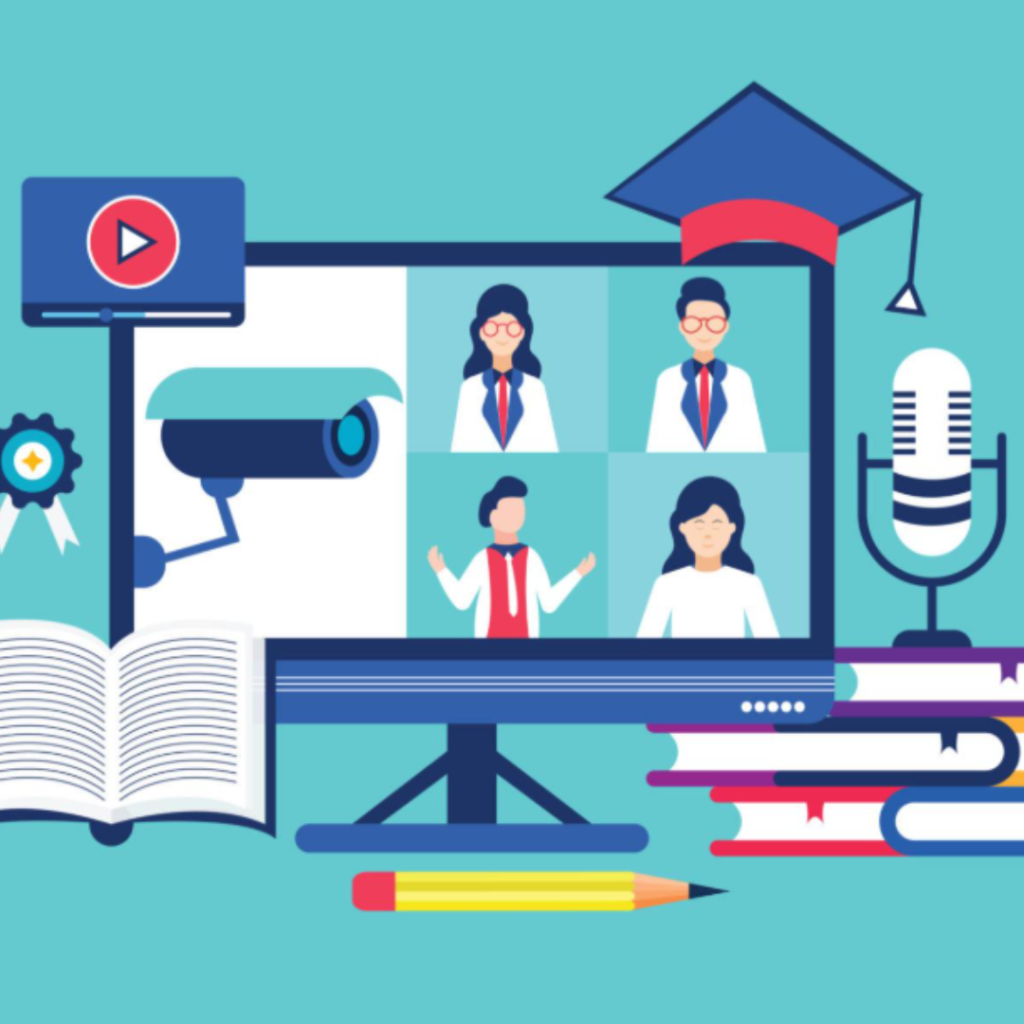
Micro-Credentials and Alternative Certifications
Another important trend shaping the future of degrees is the rise of micro-credentials and specialized certifications.
These shorter educational programs focus on specific skills or competencies rather than broad academic disciplines.
Professionals increasingly pursue micro-credentials to stay current with industry developments and enhance employability.
Employers often appreciate these credentials because they provide evidence of targeted expertise.
Students may eventually build educational portfolios consisting of multiple certifications, industry credentials, and specialized learning experiences.
This modular approach allows individuals to customize education according to career goals.
Rather than completing a single degree program, future learners may assemble credentials throughout their lives.
Universities are already developing programs that support this model.
Education is becoming more flexible and adaptable.
Micro-credentials could become an important complement to traditional degrees.
Artificial Intelligence and Personalized Education
Artificial intelligence is expected to influence education significantly by 2040.
AI-powered systems can analyze learning patterns, identify strengths and weaknesses, and deliver personalized educational experiences.
Students may receive customized learning pathways designed around individual goals, interests, and learning styles.
This personalized approach contrasts with traditional educational models that often follow standardized structures.
Artificial intelligence can also support tutoring, assessment, feedback, and skill development.
Universities are exploring how AI can improve learning outcomes while increasing efficiency.
As educational technology advances, students may gain greater control over how and when they learn.
Personalized education could make learning more effective and engaging.
The future classroom may be highly adaptive and data-driven.
AI is likely to become a powerful educational partner.
Will Traditional Four-Year Degrees Change?
Traditional degree programs are unlikely to disappear completely, but they may undergo substantial transformation.
Many experts predict that degree structures will become more flexible and modular.
Students may have greater freedom to combine disciplines, earn credentials incrementally, and update qualifications throughout their careers.
Universities could offer stackable learning experiences that allow learners to build credentials over time.
This approach reflects the reality that careers are becoming more dynamic.
Professionals may need to reskill and upskill multiple times during their working lives.
Educational institutions are increasingly recognizing the importance of lifelong learning.
The traditional model of studying once and relying on that education forever may become less common.
Degrees could evolve into continuous learning ecosystems.
Flexibility will likely become a defining feature of future education.
The Continuing Value of Universities
Despite significant changes, universities are likely to remain important institutions.
Higher education provides benefits that extend beyond academic instruction.
Universities foster critical thinking, research skills, collaboration, networking, and personal development.
Students gain exposure to diverse perspectives and intellectual challenges.
These experiences contribute to professional and personal growth.
Universities also serve as centers for innovation, research, and knowledge creation.
While delivery methods may change, the role of universities in society remains valuable.
Many professions will continue requiring formal education and accredited qualifications.
The challenge for universities is adapting to new expectations while preserving their strengths.
Institutions that embrace innovation are likely to thrive.
The future of higher education involves evolution rather than disappearance.

The Growing Importance of Lifelong Learning
By 2040, lifelong learning may become one of the defining characteristics of professional success.
Technological advancements and changing industries require continuous skill development.
Professionals can no longer rely solely on knowledge acquired during early adulthood.
Learning will increasingly occur throughout entire careers.
Universities, employers, and educational platforms are already supporting this shift.
Continuous education helps individuals remain competitive and adaptable.
Future degrees may be designed with lifelong learning in mind.
Rather than marking the end of education, qualifications could represent milestones within ongoing development journeys.
This approach aligns with the realities of modern work environments.
Learning is becoming a permanent professional responsibility.
Growth will continue long after graduation.
Challenges Facing the Future of Degrees
While educational innovation creates exciting opportunities, it also introduces challenges.
Questions about quality, credibility, accessibility, and assessment remain important.
Employers must determine how to evaluate diverse credentials effectively.
Educational institutions need to balance innovation with academic standards.
Students may face difficulties navigating increasingly complex learning options.
The risk of misinformation and inconsistent quality also exists within rapidly expanding digital education markets.
Addressing these challenges requires collaboration among universities, employers, policymakers, and technology providers.
The future of degrees depends on maintaining trust and relevance.
Successful transformation requires thoughtful implementation.
Change creates both opportunities and uncertainties.
The education sector must navigate both carefully.
Conclusion
Will degrees exist in their current form by 2040? The most likely answer is that degrees will continue to exist, but they will look very different from today’s models. Higher education is evolving in response to technological innovation, skills-based hiring, digital learning, artificial intelligence, and changing workforce expectations.
Traditional degrees will probably become more flexible, personalized, and integrated with lifelong learning. Micro-credentials, online certifications, and skills-based education will play increasingly important roles in professional development.
Universities will remain valuable, but they must adapt to meet the needs of future learners and employers. Students of tomorrow may combine degrees with specialized certifications, practical experiences, and continuous learning pathways.
The future of education is not about replacing degrees entirely. It is about transforming them into more relevant, accessible, and adaptable tools for success in a rapidly changing world.
By 2040, the question may no longer be whether someone has a degree. Instead, it may be how effectively they continue learning, growing, and applying knowledge throughout their lives.
More Blogs you may read
Learning Through Global Networks: How International Collaboration Is Transforming Modern Education 2026
Learning Through Global Networks Education has always been a powerful...
Read More
Why Employers Support Apprenticeship Degrees: How Work-Based Learning Creates Career-Ready Graduates 2026
Why Employers Support Apprenticeship Degrees The relationship between higher education...
Read MoreAvoiding Career Decisions Based on Social Pressure: A Complete Guide to Choosing the Right Career With Confidence 2026
Avoiding Career Decisions Based on Social Pressure Choosing a career...
Read MoreCommon Technical Problems During Online Exams: Complete Guide to Avoid Exam-Day Disruptions 2026
Common Technical Problems During Online Exams Online examinations have become...
Read More