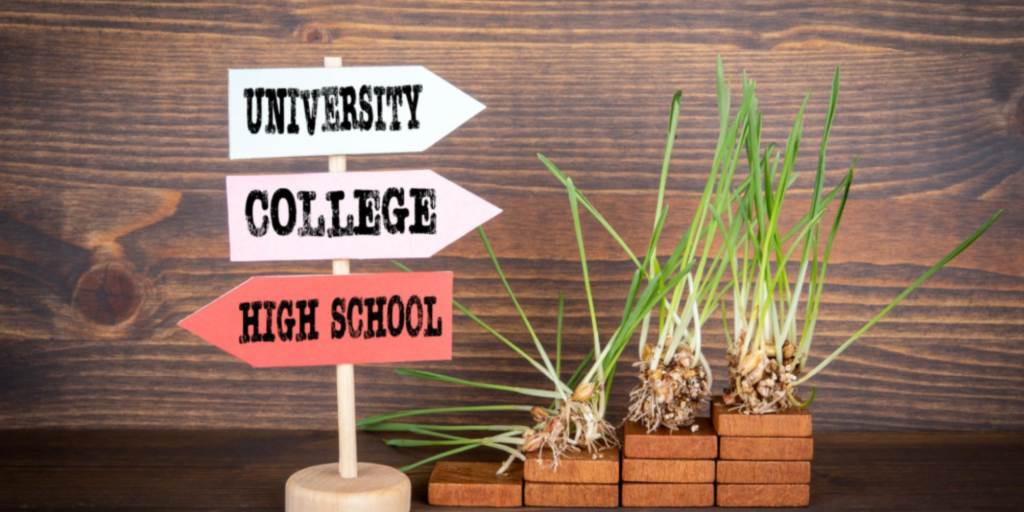
The Next Big Shift in Higher Education
Higher education has always evolved alongside society. Universities and colleges have adapted to industrial revolutions, technological breakthroughs, economic transformations, and changing workforce demands. Yet the changes taking place today are unlike anything the education sector has experienced before. Around the world, higher education institutions are rethinking traditional models, redesigning learning experiences, and redefining what student success truly means.
The next big shift in higher education is not centered on a single innovation or trend. Instead, it reflects a broader transformation involving personalized learning, employability, career readiness, digital education, lifelong learning, and student-centered development. This shift is reshaping how institutions operate, how students learn, and how employers evaluate graduates.
For decades, earning a degree was considered the primary pathway to career success. While academic qualifications continue to hold significant value, employers increasingly seek practical skills, adaptability, communication abilities, and real-world experience. Students, meanwhile, expect education to provide meaningful outcomes that support long-term professional growth.
As these expectations continue evolving, higher education is entering a new era. Understanding the next big shift in higher education offers valuable insight into the future of learning, workforce preparation, and student development.
Why Traditional Higher Education Models Are Being Challenged
For generations, higher education followed a relatively predictable structure. Students enrolled in degree programs, attended lectures, completed assessments, and graduated with qualifications designed to support career opportunities.
Although this model successfully educated millions of learners, it was developed during a period when workforce requirements changed more slowly and professional pathways were often more stable.
Today’s environment presents a different reality. Industries evolve rapidly, technological innovation transforms job roles, and employers increasingly prioritize practical competencies alongside academic credentials.
As a result, students and institutions are questioning whether traditional approaches fully prepare graduates for future opportunities.
This does not mean higher education is losing relevance. Rather, it means institutions must adapt to ensure learning experiences remain aligned with changing economic and professional landscapes.
The shift reflects a growing need for flexibility, responsiveness, and practical relevance.
The Growing Importance of Career Readiness
One of the most significant changes in higher education involves the growing emphasis on career readiness.
Students increasingly view education as an investment in their future. They want assurance that their learning experiences will support meaningful employment opportunities and long-term career growth.
Institutions are responding by integrating career development into academic programs more intentionally than ever before.
Internships, industry partnerships, mentorship initiatives, experiential learning projects, networking opportunities, and professional development workshops are becoming common components of higher education.
Career readiness extends beyond technical expertise. It includes communication, teamwork, adaptability, leadership, problem-solving, and workplace awareness.
The future of higher education will likely place even greater emphasis on helping students develop these employability skills.
Institutions that successfully connect education with career outcomes will continue attracting learners seeking practical value and professional preparation.
Personalized Learning Is Reshaping Student Experiences
Every student learns differently. Some thrive through independent study, while others excel in collaborative environments or practical learning experiences.
Traditional educational systems often struggled to accommodate these differences because learning pathways were largely standardized.
The next big shift in higher education involves creating more personalized learning experiences.
Technology, data analytics, adaptive learning platforms, and flexible curriculum structures are allowing institutions to tailor education to individual needs, interests, and goals.
Students increasingly expect educational experiences that align with their career aspirations and learning preferences.
Personalized learning helps improve engagement because students feel more connected to their educational journeys.
This approach also supports stronger outcomes by allowing learners to progress at appropriate speeds while focusing on areas that require additional development.
The future of higher education will likely become far more learner-focused than institution-focused.
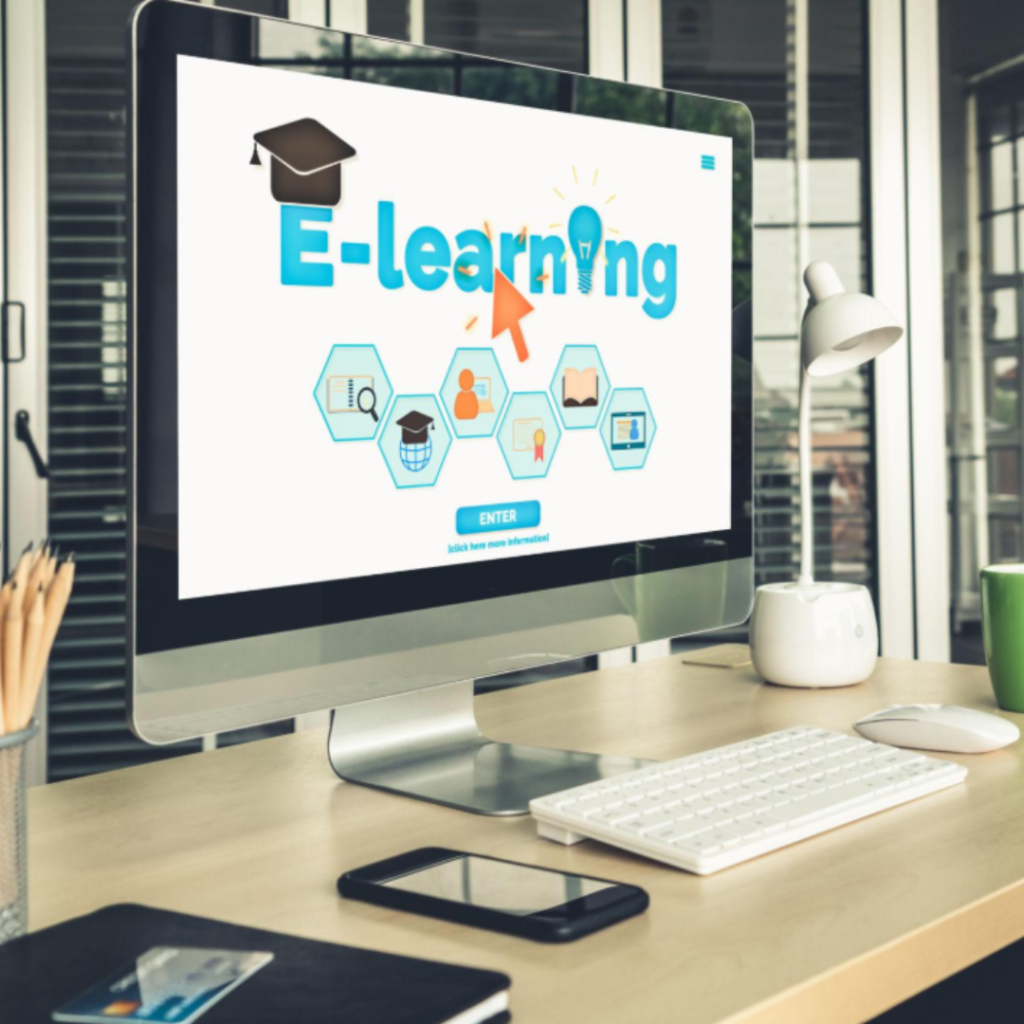
Technology Is Transforming Higher Education
Technology continues influencing nearly every aspect of modern life, and higher education is no exception.
Digital learning platforms, artificial intelligence, virtual classrooms, interactive simulations, and online collaboration tools are reshaping how education is delivered.
Technology enables students to access educational resources regardless of location. It also creates opportunities for more flexible learning schedules and personalized support.
The shift toward digital learning does not mean traditional classrooms will disappear. Instead, hybrid models that combine online and in-person experiences are becoming increasingly common.
Technology also supports practical learning through simulations, virtual laboratories, and real-world problem-solving activities.
These innovations help bridge the gap between academic theory and professional application.
As educational technology continues advancing, institutions will gain new tools for enhancing student engagement and learning effectiveness.
Skill Development Is Becoming a Central Priority
A major shift occurring within higher education involves moving beyond knowledge acquisition toward skill development.
Academic knowledge remains important, but employers increasingly evaluate candidates based on their ability to apply knowledge effectively.
Communication skills, critical thinking, creativity, adaptability, leadership, digital literacy, and problem-solving have become essential employability skills.
Higher education institutions are redesigning programs to ensure students develop these competencies alongside subject expertise.
Project-based learning, collaborative assignments, experiential education, and practical assessments help strengthen these capabilities.
The future workforce will reward individuals who can adapt quickly and contribute meaningfully in dynamic environments.
As a result, skill development is becoming one of the most important objectives of modern higher education.
Lifelong Learning Is Replacing One-Time Education
The idea that education ends after graduation is becoming increasingly outdated.
Technological advancement and changing workforce requirements mean professionals must continue learning throughout their careers.
Higher education institutions are adapting by expanding opportunities for lifelong learning.
Micro-credentials, professional certifications, executive education programs, online courses, and continuing education initiatives allow learners to update skills as industries evolve.
This shift reflects a broader understanding that career development is an ongoing process rather than a single event.
Future learners may engage with universities and educational providers multiple times throughout their professional journeys.
Institutions that embrace lifelong learning will play an increasingly important role in workforce development and professional growth.
Outcome-Based Education Is Gaining Momentum
Educational success is increasingly being measured by outcomes rather than processes.
Institutions are placing greater emphasis on what students can achieve, demonstrate, and apply after completing their studies.
Outcome-based education focuses on learning results, employability, career readiness, skill development, and practical competence.
This approach creates stronger accountability while helping institutions evaluate the effectiveness of their programs.
Students benefit because learning objectives become more transparent and relevant.
Employers benefit because graduates possess capabilities aligned with workforce expectations.
The growing focus on outcomes reflects the broader shift toward educational relevance and real-world impact.
Future higher education models will likely continue prioritizing measurable achievements that support student success.
The Rise of Interdisciplinary Learning
Modern challenges rarely fit neatly within a single academic discipline.
Organizations increasingly require professionals who can combine knowledge from multiple fields and approach problems from diverse perspectives.
Higher education institutions are responding by encouraging interdisciplinary learning.
Students are exploring programs that integrate technology, business, sustainability, design, healthcare, data analytics, and other disciplines.
This approach supports innovation because it encourages learners to connect ideas across traditional boundaries.
Interdisciplinary education prepares students for complex environments where collaboration and adaptability are essential.
The future of higher education will likely feature greater integration between academic fields.
This shift reflects the realities of modern industries and evolving professional roles.
Student Well-Being Is Becoming a Strategic Priority
Educational success depends on more than academic performance alone.
Higher education institutions increasingly recognize the importance of student well-being, mental health, and personal development.
Stress, uncertainty, financial pressures, and academic demands can affect learning outcomes significantly.
As a result, institutions are investing in counseling services, wellness programs, peer support initiatives, and student engagement activities.
Supporting well-being contributes to stronger academic performance, higher retention rates, and improved student experiences.
The future of higher education will likely adopt a more holistic approach that balances intellectual development with emotional and social growth.
This shift reflects a broader understanding of what contributes to meaningful success.
Preparing Students for Jobs That Do Not Yet Exist
One of the most challenging realities facing higher education is the uncertainty surrounding future careers.
Many of the jobs students will hold in the coming decades have not yet been fully defined.
Emerging technologies, sustainability initiatives, digital transformation, and global innovation continue creating new opportunities while reshaping existing professions.
Educational institutions must therefore prepare students for change rather than specific job descriptions alone.
Adaptability, lifelong learning, creativity, communication, and problem-solving become increasingly important in this context.
The future belongs to individuals who can learn continuously and navigate evolving environments with confidence.
Higher education plays a crucial role in developing these capabilities.
The Future of Higher Education
The next big shift in higher education is not about replacing existing systems entirely. Instead, it involves reimagining how education creates value for students and society.
Institutions are becoming more flexible, technology-enabled, career-focused, and learner-centered.
Education is increasingly connected to employability, skill development, lifelong learning, and personal growth.
Students expect educational experiences that prepare them for real-world challenges while supporting long-term aspirations.
Higher education institutions that embrace innovation and adaptability will be best positioned to thrive in this evolving landscape.
The future will reward institutions capable of balancing academic excellence with practical relevance.
Conclusion
The next big shift in higher education reflects a profound transformation in how learning is designed, delivered, and evaluated. Traditional educational models are evolving to meet the demands of a rapidly changing world where career readiness, skill development, employability, and lifelong learning have become essential priorities.
Technology, personalized learning, interdisciplinary education, outcome-based approaches, and student well-being are all contributing to this transformation. These developments are helping institutions create more meaningful and effective learning experiences.
As future careers continue evolving, higher education must remain responsive to changing student expectations and workforce needs. The institutions that succeed will be those that focus not only on knowledge but also on adaptability, practical skills, and long-term growth.
Ultimately, the future of higher education is about empowering learners to thrive in complex environments, embrace continuous learning, and contribute meaningfully to an ever-changing world. That is the true significance of the next big shift in higher education.
More Blogs you may read
Learning Through Global Networks: How International Collaboration Is Transforming Modern Education 2026
Learning Through Global Networks Education has always been a powerful...
Read More
Why Employers Support Apprenticeship Degrees: How Work-Based Learning Creates Career-Ready Graduates 2026
Why Employers Support Apprenticeship Degrees The relationship between higher education...
Read MoreAvoiding Career Decisions Based on Social Pressure: A Complete Guide to Choosing the Right Career With Confidence 2026
Avoiding Career Decisions Based on Social Pressure Choosing a career...
Read MoreCommon Technical Problems During Online Exams: Complete Guide to Avoid Exam-Day Disruptions 2026
Common Technical Problems During Online Exams Online examinations have become...
Read More