Why Future Learning Will Focus on Application Over Theory
Education has always played a central role in shaping societies, economies, and individual success. For generations, learning systems around the world emphasized theoretical knowledge as the primary measure of educational achievement. Students were expected to memorize concepts, understand principles, and demonstrate their knowledge through examinations. While theory remains an important foundation for understanding how things work, the demands of the modern world are creating a significant shift in how learning is approached.
Today, employers, educators, institutions, and students increasingly recognize that knowledge alone is not enough. The ability to apply information, solve real-world problems, adapt to changing environments, and create practical solutions has become equally important. As industries evolve and workforce expectations continue changing, future learning is expected to focus more heavily on application over theory.
This shift does not mean theoretical education is losing relevance. Instead, it reflects a growing understanding that learning becomes far more valuable when knowledge can be translated into action. The future of education is moving toward practical experiences, project-based learning, skill development, experiential education, and workplace readiness. These approaches prepare students not only to understand concepts but also to use them effectively in professional and everyday situations.
The growing emphasis on application over theory is transforming classrooms, training programs, higher education institutions, and professional development initiatives worldwide. Understanding why this transformation is taking place provides valuable insight into the future of learning and employability.
The Changing Expectations of Modern Employers
One of the biggest reasons future learning will focus on application over theory is the evolving nature of employer expectations. Organizations are increasingly seeking individuals who can contribute effectively from the beginning of their careers.
In the past, employers often hired graduates primarily based on academic qualifications and then provided extensive workplace training. Today, businesses operate in highly competitive environments where productivity, innovation, and adaptability are critical.
Employers frequently look for candidates who can demonstrate practical skills, problem-solving abilities, communication competence, teamwork, and professional readiness.
While theoretical understanding remains valuable, organizations often prioritize individuals who know how to apply their knowledge in real situations.
This shift has encouraged educational institutions to place greater emphasis on practical learning experiences that align with workforce needs.
The connection between learning and employability is becoming stronger than ever.
Why Knowledge Alone Is No Longer Enough
Access to information has changed dramatically. Students can now find educational resources, tutorials, research, and professional insights within seconds through digital platforms.
As information becomes increasingly accessible, the ability to memorize facts becomes less valuable than the ability to interpret, evaluate, and apply knowledge effectively.
Future careers will require individuals to solve complex problems, collaborate across disciplines, and adapt to rapidly changing conditions.
These tasks depend on application rather than memorization.
Knowing a concept is important, but understanding how to use that concept in a practical context creates greater value.
Educational systems are recognizing that long-term success depends on developing skills that extend beyond theoretical understanding.
Application transforms knowledge into meaningful outcomes.
The Rise of Experiential Learning
Experiential learning is becoming one of the most influential trends in modern education. Rather than relying exclusively on lectures and textbooks, experiential learning encourages students to engage directly with real-world situations.
This approach may include internships, simulations, field projects, industry collaborations, laboratory work, case studies, and community initiatives.
Experiential learning helps students understand how concepts function outside academic environments.
When learners apply knowledge in practical settings, they often develop deeper understanding and stronger retention.
They also gain valuable confidence because they can see the direct impact of their learning.
Future learning models increasingly recognize that experience plays a critical role in educational effectiveness.
As a result, experiential learning is expected to become even more prominent across educational systems.

Skill Development Is Driving Educational Transformation
The modern workforce places significant emphasis on skill development. Employers consistently seek professionals who possess both technical expertise and transferable skills.
Communication, critical thinking, adaptability, leadership, teamwork, creativity, digital literacy, and problem-solving have become essential employability skills.
Many of these abilities are best developed through application rather than theoretical study alone.
Students strengthen communication by participating in presentations and discussions. They improve problem-solving through practical challenges. They build leadership skills by managing projects and collaborating with teams.
Learning through action creates opportunities for skill development that traditional instruction may not fully provide.
Future education will increasingly prioritize experiences that help students develop these competencies in authentic settings.
Project-Based Learning Is Gaining Momentum
Project-based learning represents another example of how education is shifting toward application-focused approaches.
Rather than simply studying concepts, students work on projects that require research, collaboration, creativity, and practical implementation.
Projects encourage learners to connect knowledge from multiple disciplines while solving meaningful problems.
This process mirrors professional environments where employees frequently work on complex assignments that require teamwork and strategic thinking.
Project-based learning helps students understand not only what they know but also how effectively they can apply that knowledge.
It promotes engagement, accountability, and critical thinking while preparing students for future workplace expectations.
As educational institutions seek more effective learning methods, project-based approaches continue gaining popularity.
Technology Is Accelerating the Shift
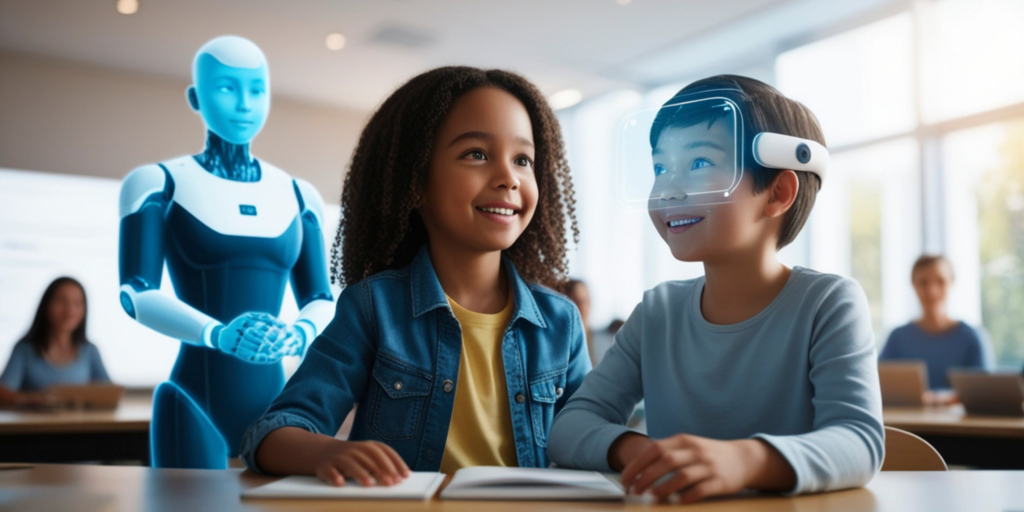
Technology is playing a major role in transforming learning experiences. Digital tools, virtual simulations, interactive platforms, and artificial intelligence are creating new opportunities for practical education.
Students can now participate in realistic simulations, conduct virtual experiments, collaborate globally, and practice professional skills in controlled environments.
Technology allows learning experiences to become more interactive and immersive.
Rather than passively receiving information, learners actively engage with concepts and explore practical applications.
This approach supports deeper understanding and encourages experimentation.
As educational technology continues evolving, application-based learning will become even more accessible and effective.
The integration of technology is helping bridge the gap between classroom knowledge and workplace realities.
Why Students Prefer Practical Learning Experiences
Students themselves are contributing to this educational transformation. Many learners increasingly value educational experiences that feel relevant and meaningful.
Practical learning helps students see the connection between what they are studying and how it applies to real life.
When students understand the purpose behind their education, motivation often increases.
Application-focused learning also provides immediate feedback. Learners can observe the results of their actions, identify areas for improvement, and refine their skills through experience.
This process creates stronger engagement than passive memorization alone.
Students preparing for future careers often prefer opportunities that help them build confidence and workplace readiness.
Educational institutions are responding by incorporating more hands-on experiences into their programs.
Workplace Readiness Has Become a Priority
Career readiness has become a major focus of modern education. Students, employers, and institutions all recognize the importance of preparing graduates for professional environments.
Workplace readiness involves more than academic achievement. It includes communication skills, adaptability, collaboration, professional behavior, and practical competence.
Application-based learning helps students develop these qualities by exposing them to realistic situations.
Internships, industry projects, mentoring programs, and experiential assignments provide valuable preparation for future careers.
Students gain insight into workplace expectations while developing confidence in their abilities.
Future learning models will likely continue emphasizing workplace readiness because employability remains a key educational objective.

The Role of Critical Thinking and Problem-Solving
The future workforce will require individuals who can navigate uncertainty and address complex challenges.
Problem-solving and critical thinking are therefore becoming increasingly important educational priorities.
These skills cannot be fully developed through memorization alone.
Students strengthen critical thinking when they analyze situations, evaluate options, test solutions, and reflect on outcomes.
Application-based learning creates opportunities for this process to occur naturally.
By working through real-world scenarios, learners develop the ability to think independently and make informed decisions.
These capabilities contribute significantly to both professional success and personal development.
Future education will likely place even greater emphasis on cultivating these essential skills.
Learning Through Failure and Improvement
One advantage of application-focused education is that it allows students to learn through experience, including mistakes.
Traditional educational systems often emphasize correct answers and examination performance. Practical learning environments encourage experimentation, reflection, and continuous improvement.
Failure becomes a learning opportunity rather than simply a negative outcome.
Students develop resilience, adaptability, and confidence by overcoming challenges and refining their approaches.
These qualities are highly valuable in professional environments where innovation and growth often emerge through trial and adjustment.
Future learning models increasingly recognize the educational value of experience-based improvement.
This perspective encourages a healthier and more realistic approach to learning and development.
Preparing Students for Future Careers
The careers of the future will require flexibility, creativity, collaboration, and lifelong learning. Professionals will need to adapt continuously as industries evolve and technologies advance.
Application-based learning prepares students for this reality by helping them develop transferable skills and practical competence.
Rather than focusing exclusively on theoretical mastery, future education will emphasize the ability to learn, apply, adapt, and improve.
Students who gain practical experience during their educational journeys often enter the workforce with stronger confidence and greater readiness.
These advantages contribute to long-term employability and career growth.
Future-ready professionals will be those who can translate knowledge into meaningful action.
Conclusion
The future of education is increasingly moving toward application over theory because the demands of the modern world require more than knowledge alone. Employers seek practical skills, students value relevant learning experiences, and industries need professionals who can solve problems and adapt to change.
While theoretical understanding remains an essential foundation, its value grows significantly when combined with practical application. Experiential learning, project-based education, skill development, workplace readiness, and technology-enhanced learning are all contributing to this transformation.
Application-focused education helps students develop confidence, critical thinking, adaptability, and professional competence. It prepares them not only to understand concepts but also to use those concepts effectively in real-world situations.
As future careers continue evolving, educational systems that prioritize practical learning will be better positioned to prepare students for success. The goal is no longer simply to know more. It is to do more with what is known.
In the future, learning will be measured not only by what students understand but also by how effectively they can apply that understanding to create meaningful outcomes in an ever-changing world.
More Blogs you may read
Learning Through Global Networks: How International Collaboration Is Transforming Modern Education 2026
Learning Through Global Networks Education has always been a powerful...
Read More
Why Employers Support Apprenticeship Degrees: How Work-Based Learning Creates Career-Ready Graduates 2026
Why Employers Support Apprenticeship Degrees The relationship between higher education...
Read MoreAvoiding Career Decisions Based on Social Pressure: A Complete Guide to Choosing the Right Career With Confidence 2026
Avoiding Career Decisions Based on Social Pressure Choosing a career...
Read MoreCommon Technical Problems During Online Exams: Complete Guide to Avoid Exam-Day Disruptions 2026
Common Technical Problems During Online Exams Online examinations have become...
Read More