
The Career Advantages of Being a Multi-Skilled Student
The modern job market is changing faster than ever before. Industries are evolving, technologies are advancing, and employers are looking for candidates who can contribute in multiple ways. In this environment, academic qualifications alone are no longer the only measure of career potential. Students who develop a diverse range of skills are increasingly finding themselves in a stronger position when it comes to career opportunities, employability, and long-term professional growth. This is why the career advantages of being a multi-skilled student have become more significant than ever.
A multi-skilled student is someone who goes beyond classroom learning and actively develops a variety of abilities that complement academic knowledge. These skills may include communication, leadership, digital literacy, problem-solving, teamwork, creativity, critical thinking, project management, and technical expertise. While some students focus solely on earning good grades, multi-skilled students invest time in expanding their capabilities and preparing themselves for the realities of modern workplaces.
The growing importance of skill diversity reflects a major shift in employer expectations. Organizations are increasingly seeking individuals who can adapt to changing environments, handle different responsibilities, and contribute to innovation. As competition in the job market intensifies, students who possess multiple skills often gain advantages that extend far beyond graduation. Understanding these benefits can help learners make smarter decisions about personal development and career planning.
Why the Job Market Values Multi-Skilled Students
The employment landscape today is significantly different from what it was even a decade ago. Businesses face rapid technological changes, global competition, and evolving customer demands. As a result, employers require professionals who can navigate complexity and perform effectively across various situations.
A multi-skilled student brings versatility to the workplace. Rather than being limited to a single area of expertise, these individuals can contribute across multiple functions and adapt to new challenges more efficiently. This flexibility makes them attractive candidates because employers often prefer individuals who can support different aspects of business operations.
Organizations also recognize that future job roles may continue evolving. Employees who possess a broad skill set are often better prepared to learn new responsibilities and adjust to industry transformations. This ability reduces organizational risk and increases long-term value.
The growing demand for adaptability explains why multi-skilled students frequently stand out during recruitment processes and professional evaluations.
Multi-Skilled Students Have Greater Employability
One of the most significant career advantages of being a multi-skilled student is increased employability. Employers evaluate candidates based on their potential to contribute effectively within professional environments. While academic achievements remain important, practical skills often determine whether a candidate receives an interview or job offer.
Students who develop communication skills, leadership abilities, digital competencies, and problem-solving expertise demonstrate readiness for workplace challenges. These qualities provide evidence that they can perform effectively beyond academic settings.
A candidate with diverse skills often appears more capable of handling complex responsibilities. This perception can create a competitive advantage, particularly in industries where employers seek individuals who can adapt quickly and collaborate effectively.
Greater employability translates into broader career opportunities, stronger professional prospects, and improved confidence when entering the workforce.
Adaptability Creates Long-Term Career Security
Adaptability has become one of the most valuable professional qualities in the modern workplace. New technologies, evolving business models, and shifting market conditions require employees to remain flexible and responsive.
Multi-skilled students naturally develop adaptability because they learn to operate in different environments and manage various responsibilities. Their exposure to diverse experiences helps them become comfortable with change and uncertainty.
This adaptability contributes significantly to career security. While some professionals struggle when industries transform, multi-skilled individuals often adjust more easily because they possess transferable skills that remain relevant across different roles and sectors.
Employers value this flexibility because adaptable employees can help organizations navigate challenges and seize emerging opportunities.
Diverse Skills Improve Problem-Solving Abilities
Problem-solving is a critical skill in virtually every profession. Organizations constantly encounter challenges that require creative thinking, strategic planning, and effective decision-making.
Students who develop multiple skills often become stronger problem solvers because they learn to approach situations from different perspectives. Exposure to various disciplines encourages broader thinking and greater innovation.
For example, a student with technical expertise, communication abilities, and leadership experience may identify solutions that others overlook. Their ability to integrate knowledge from different areas often results in more effective outcomes.
Employers appreciate individuals who can analyze problems thoughtfully and implement practical solutions. This capability frequently contributes to professional growth and career advancement.
Communication Skills Strengthen Professional Success
Communication remains one of the most important employability skills in today’s workforce. Regardless of industry, employees must communicate ideas clearly, collaborate with colleagues, and engage with clients or stakeholders.
Multi-skilled students often invest time in developing communication abilities through presentations, group projects, extracurricular activities, and leadership experiences. These opportunities strengthen both verbal and written communication skills.
Strong communication improves workplace relationships, enhances teamwork, and increases professional credibility. Individuals who can express ideas effectively are often viewed as confident, capable, and trustworthy.
Career success frequently depends on the ability to connect with others. Multi-skilled students who develop communication expertise gain a valuable advantage that supports long-term professional growth.

Leadership Skills Open New Opportunities
Leadership is no longer reserved exclusively for management positions. Employers increasingly seek individuals who can take initiative, inspire collaboration, and contribute positively to organizational culture.
Multi-skilled students often develop leadership skills through student organizations, volunteer programs, internships, and community involvement. These experiences teach responsibility, decision-making, and strategic thinking.
Leadership abilities help graduates stand out because they demonstrate potential beyond technical competence. Employers recognize that leadership contributes to productivity, innovation, and team performance.
Even early in their careers, individuals with leadership skills often receive opportunities for greater responsibility and professional advancement.
Digital Skills Are Essential for Modern Careers
Technology influences nearly every industry. From communication and data analysis to marketing and project management, digital tools have become integral components of workplace operations.
Multi-skilled students frequently invest in digital skill development alongside academic learning. They explore software platforms, online collaboration tools, digital marketing strategies, data management systems, and emerging technologies.
These competencies significantly enhance employability because employers increasingly expect candidates to navigate digital environments confidently. Digital literacy improves productivity while supporting innovation and adaptability.
As industries continue embracing technological transformation, students who develop digital skills position themselves for future career opportunities.
Networking Becomes More Effective
Professional networking plays an important role in career development. Building meaningful relationships can lead to mentorship opportunities, industry insights, internships, and employment offers.
Multi-skilled students often engage in diverse activities that expand their networks. Participation in conferences, workshops, competitions, leadership programs, and volunteer initiatives creates opportunities to connect with professionals from various fields.
A broad network increases visibility and provides access to valuable resources. Employers often value candidates who demonstrate strong relationship-building abilities because collaboration is essential within modern workplaces.
Networking also helps students learn about emerging industry trends and career opportunities that may not be widely advertised.
Continuous Learning Supports Career Growth
Another important habit shared by multi-skilled students is a commitment to continuous learning. They recognize that education extends beyond formal academic programs and actively seek opportunities for personal and professional development.
Continuous learning helps individuals stay informed about industry changes while developing new competencies. This proactive approach contributes to long-term career growth and adaptability.
Employers appreciate candidates who demonstrate curiosity and self-improvement because these qualities indicate future potential. Individuals who embrace learning often remain competitive even as industries evolve.
The willingness to acquire new skills becomes increasingly valuable in a world where knowledge and technology change rapidly.
Multi-Skilled Students Build Stronger Confidence
Confidence plays an important role in professional success. Students who develop multiple skills often gain confidence because they know they can contribute in various situations.
This confidence influences interviews, networking interactions, presentations, and workplace performance. Individuals who believe in their abilities are often more willing to pursue opportunities and embrace challenges.
Confidence also enhances resilience. Multi-skilled students understand that setbacks are part of growth and feel better equipped to overcome obstacles because they possess diverse strengths.
Employers often recognize confident candidates as proactive and capable, further improving career prospects.
Why Employers Prefer Versatile Professionals
Organizations increasingly prefer versatile professionals because modern business environments require flexibility and collaboration. Employees are often expected to contribute beyond narrowly defined job descriptions.
A multi-skilled professional can adapt to different responsibilities, support various projects, and work effectively across teams. This versatility creates value for employers while increasing opportunities for career advancement.
Employers also understand that future workplace demands may differ significantly from current requirements. Individuals who possess diverse skills are often better prepared to respond to these changes.
As a result, multi-skilled students frequently enjoy stronger employment prospects and greater professional mobility.
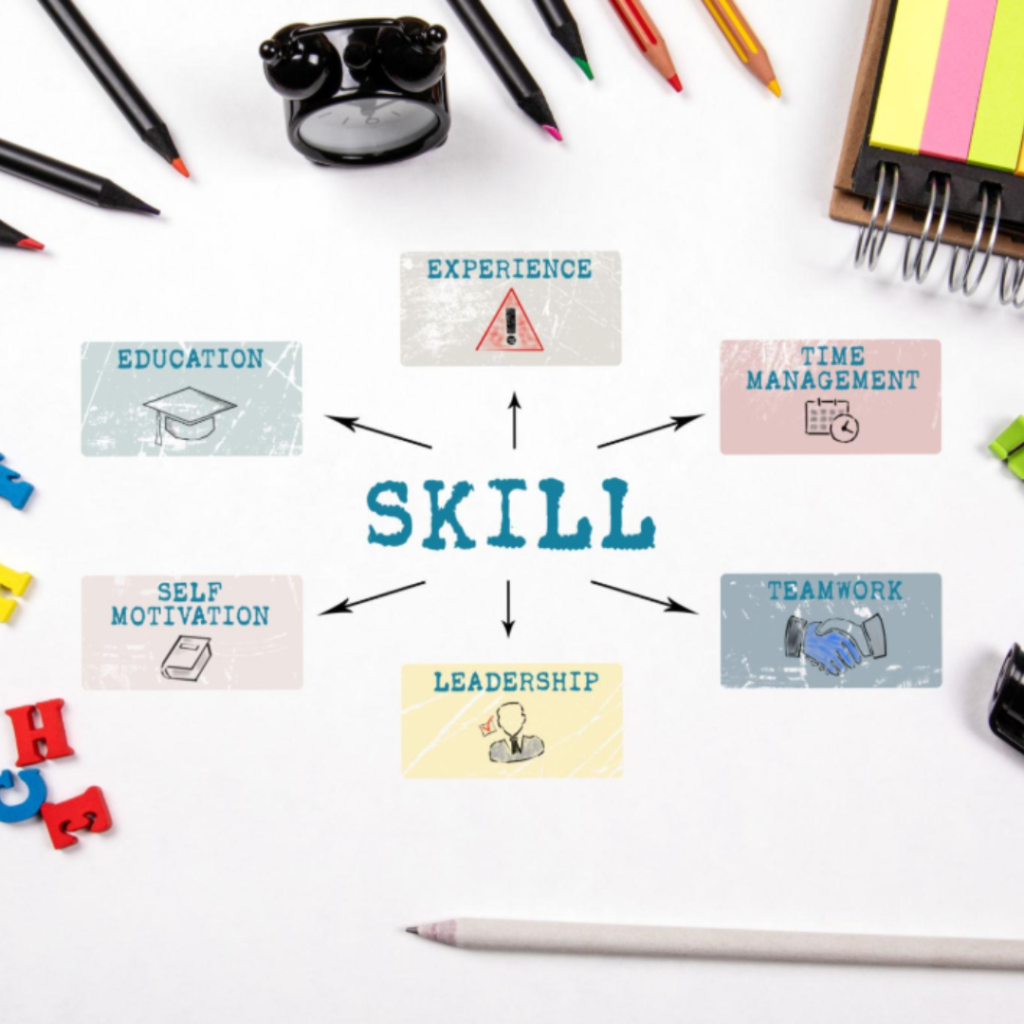
Preparing for the Future of Work
The future of work will likely continue emphasizing adaptability, innovation, and continuous learning. Technological advancements and evolving industries will create new opportunities while also transforming existing roles.
Students who develop diverse skills today are preparing themselves for this future. Rather than relying solely on academic qualifications, they build capabilities that remain valuable across different environments and career stages.
The ability to combine technical knowledge with communication, leadership, digital literacy, and problem-solving creates a powerful professional profile. This combination supports long-term success regardless of industry changes.
Preparing for the future requires more than mastering a single discipline. It requires developing the versatility needed to navigate an increasingly complex professional landscape.
Conclusion
The career advantages of being a multi-skilled student extend far beyond graduation. Greater employability, adaptability, problem-solving abilities, communication expertise, leadership skills, digital literacy, networking opportunities, confidence, and continuous learning all contribute to stronger professional outcomes.
In today’s competitive job market, employers seek individuals who can contribute in multiple ways and adapt to changing circumstances. Academic excellence remains important, but it becomes even more valuable when combined with a diverse skill set.
Students who invest in developing multiple competencies position themselves for broader career opportunities and long-term professional growth. They become better prepared for workplace challenges while increasing their ability to thrive in evolving industries.
Ultimately, being a multi-skilled student is not simply about acquiring more abilities. It is about creating a foundation for lifelong success, resilience, and meaningful career advancement in a world where versatility has become one of the most valuable professional assets.
More Blogs you may read
Learning Through Global Networks: How International Collaboration Is Transforming Modern Education 2026
Learning Through Global Networks Education has always been a powerful...
Read More
Why Employers Support Apprenticeship Degrees: How Work-Based Learning Creates Career-Ready Graduates 2026
Why Employers Support Apprenticeship Degrees The relationship between higher education...
Read MoreAvoiding Career Decisions Based on Social Pressure: A Complete Guide to Choosing the Right Career With Confidence 2026
Avoiding Career Decisions Based on Social Pressure Choosing a career...
Read MoreCommon Technical Problems During Online Exams: Complete Guide to Avoid Exam-Day Disruptions 2026
Common Technical Problems During Online Exams Online examinations have become...
Read More