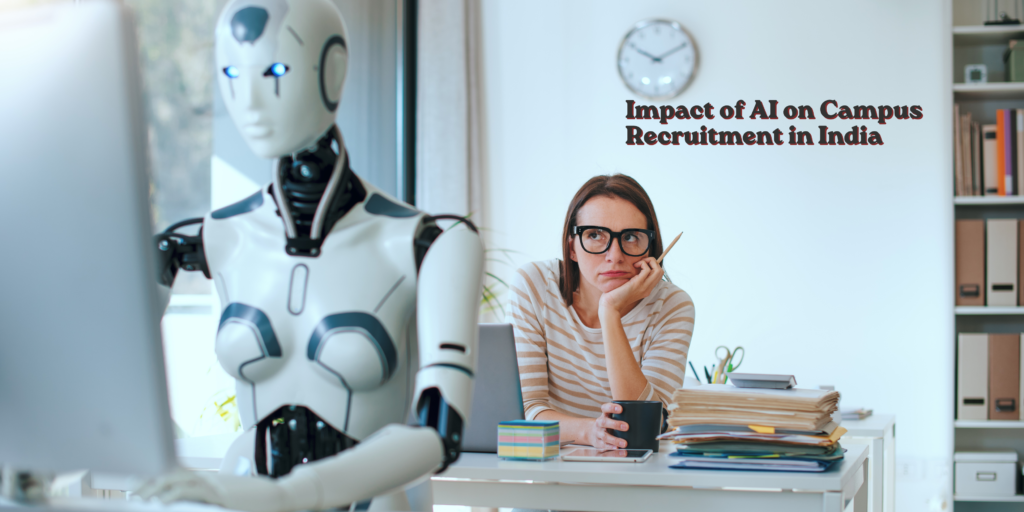
Impact of AI on Campus Recruitment in India
Artificial intelligence is rapidly transforming industries across the world, and the recruitment sector is experiencing one of the most significant changes. In recent years, the impact of AI on campus recruitment in India has become increasingly visible as companies, universities, and hiring platforms adopt advanced technologies to improve recruitment efficiency, candidate screening, and hiring decisions. Artificial intelligence is no longer limited to technical industries alone. It is now reshaping how employers identify talent, conduct placement drives, evaluate candidate skills, and predict employee performance.
The traditional campus recruitment process in India relied heavily on manual resume screening, aptitude tests, written examinations, and face-to-face interviews. However, the growing number of graduates, intense competition for jobs, and rapid digital transformation have encouraged organizations to integrate AI recruitment technology into hiring systems. Companies are now using artificial intelligence in hiring to automate repetitive tasks, reduce recruitment time, and identify skilled candidates more accurately.
At the same time, the rise of AI in campus recruitment has created both encouraging opportunities and concerning challenges. While artificial intelligence improves recruitment efficiency and expands career opportunities in emerging technologies, it also creates uncertainty regarding job automation, changing skill demands, and increasing competition among students. The influence of AI on campus hiring in India therefore reflects both innovation and adaptation within the modern employment landscape.
Growth of AI in Modern Recruitment Systems
The increasing impact of AI on campus recruitment in India is directly connected to the rapid growth of digital hiring systems and data-driven recruitment strategies. Large corporations, startups, and multinational companies receive thousands of applications during campus placement seasons, making manual recruitment processes time-consuming and difficult to manage.
Artificial intelligence in hiring allows organizations to analyze resumes, assess candidate behavior, shortlist applicants, and conduct automated evaluations more efficiently. AI recruitment tools use algorithms and machine learning systems to identify patterns in candidate profiles and match applicants with suitable job roles.
Companies now prefer automated recruitment systems because they help reduce hiring costs, improve recruitment speed, and enhance decision-making accuracy. AI-based software can quickly filter candidates based on academic qualifications, technical skills, certifications, communication abilities, and personality assessments.
In campus placement trends 2026, many companies are increasingly depending on virtual hiring platforms powered by artificial intelligence. Online assessments, AI-monitored aptitude tests, and automated interview scheduling systems have become common during recruitment drives.
However, this technological shift also creates anxiety among students who fear that automated systems may reject candidates unfairly or prioritize data-driven evaluations over human judgment. Some graduates feel uncertain about how AI algorithms assess personality, communication style, or practical potential during recruitment processes.
AI-Powered Resume Screening Changing Hiring Methods
One of the biggest examples of the impact of AI on campus recruitment in India is automated resume screening. Earlier, recruiters manually reviewed thousands of resumes during placement drives, which often consumed significant time and resources. Today, artificial intelligence systems can scan resumes within seconds and identify suitable candidates using predefined hiring criteria.
AI recruitment technology analyzes keywords, educational background, technical certifications, internship experience, project work, and communication skills to shortlist applicants. Companies increasingly use applicant tracking systems integrated with artificial intelligence to improve recruitment efficiency and reduce human workload.
For students, this transformation has created both advantages and pressure. Candidates with strong digital resumes, relevant certifications, and industry-focused skills may benefit from AI-based recruitment systems because their profiles can quickly match company requirements.
At the same time, students lacking optimized resumes or practical experience may struggle to pass automated screening stages despite possessing talent and learning potential. This situation has increased awareness regarding resume optimization, online certifications, and digital portfolio development among fresh graduates.
Additionally, overdependence on automated systems sometimes raises concerns about fairness and inclusivity. Critics argue that AI algorithms may unintentionally favor specific keywords or educational backgrounds, creating unequal opportunities for diverse candidates.
Virtual Assessments and Online Recruitment Trends
The future of campus placements in India is increasingly influenced by virtual hiring systems powered by artificial intelligence. Online assessments, video interviews, gamified aptitude tests, and AI-monitored examinations have become important components of modern recruitment strategies.
During campus hiring in India, companies now conduct remote recruitment drives that allow students from different cities and colleges to participate digitally. Artificial intelligence helps organizations monitor candidate behavior during online tests, detect suspicious activities, and evaluate communication patterns during virtual interviews.
AI-driven recruitment platforms can assess voice tone, facial expressions, language fluency, confidence levels, and response accuracy during video interviews. Employers use these insights to evaluate candidate personality and communication effectiveness more efficiently.
This digital transformation has expanded fresher recruitment trends by allowing companies to reach wider talent pools beyond metropolitan cities. Students from smaller towns and regional institutions now have greater access to placement opportunities through virtual recruitment systems.
However, online recruitment also creates technical and emotional challenges. Internet connectivity issues, unfamiliar digital platforms, and AI-monitored interview pressure can affect student performance negatively. Many candidates feel nervous knowing that artificial intelligence systems may evaluate their facial movements, speaking style, or behavior patterns during assessments.
Despite these concerns, virtual recruitment systems continue growing because they improve hiring scalability and reduce operational costs for companies.
Changing Skill Requirements for Fresh Graduates
Another major impact of AI on campus recruitment in India is the shift in skill expectations among employers. Companies are increasingly searching for graduates who possess not only academic knowledge but also technological adaptability, analytical thinking, communication abilities, and digital problem-solving skills.
Artificial intelligence and automation are transforming job roles across industries such as information technology, finance, healthcare, marketing, customer service, and education. As routine tasks become automated, employers now prioritize candidates who can work alongside intelligent systems and contribute creatively to business processes.
Students skilled in data analytics, machine learning, coding, cloud computing, cybersecurity, digital communication, and AI tools are gaining stronger placement opportunities in modern industries. Even non-technical sectors increasingly value digital literacy and technology awareness during recruitment.
The rise of AI recruitment technology has therefore encouraged educational institutions to redesign curricula and placement training programs. Colleges are introducing skill-based learning, online certifications, coding workshops, and industry-oriented projects to improve student employability.
However, the changing recruitment environment also creates pressure among graduates who fear becoming professionally outdated. Students now feel increasing urgency to continuously learn new technologies and update their skill sets to remain competitive in evolving job markets.
AI Improving Recruitment Efficiency for Companies
From an organizational perspective, artificial intelligence in hiring offers several operational benefits that improve campus recruitment efficiency. Companies conducting mass hiring drives often face difficulties related to time management, candidate evaluation consistency, and recruiter workload.
AI recruitment tools simplify these processes by automating repetitive tasks such as resume filtering, test scheduling, candidate communication, and performance analysis. Artificial intelligence can also predict candidate-job compatibility using historical hiring data and behavioral assessment models.
This predictive capability helps organizations reduce hiring mistakes and improve employee retention rates. Recruiters believe AI-driven recruitment systems allow them to focus more on strategic decision-making rather than administrative processes.
Additionally, automated recruitment systems improve candidate experience by providing faster communication, immediate test results, and streamlined application procedures. Students can participate in recruitment processes more conveniently through digital platforms and remote assessments.
Nevertheless, excessive dependence on automation may sometimes reduce human interaction within recruitment systems. Some candidates feel disconnected from organizations when hiring processes become entirely technology-driven without meaningful personal communication.
Psychological Impact on Students During AI-Based Recruitment
The growing use of artificial intelligence in campus recruitment has also created emotional and psychological effects among students preparing for placements. Many graduates experience anxiety regarding automated assessments, AI-driven interviews, and rapidly changing industry expectations.
The fear of being evaluated entirely through algorithms can create uncertainty among candidates who prefer traditional face-to-face communication. Students often worry about whether AI systems can accurately understand personality, creativity, emotional intelligence, and real-world potential.
Additionally, increased awareness about automation replacing jobs has intensified career insecurity among graduates. Many students fear that artificial intelligence may reduce employment opportunities in certain sectors while increasing competition in technology-related fields.
At the same time, AI-driven hiring systems have also motivated students to improve technical skills, communication abilities, and digital adaptability. Graduates are increasingly investing in certifications, internships, coding skills, and online learning programs to strengthen employability within AI-influenced industries.
Educational institutions are therefore focusing more on career counseling, mental health support, and industry-oriented placement preparation to help students adapt confidently to changing recruitment systems.

AI and Equal Access to Recruitment Opportunities
Artificial intelligence has also contributed positively to expanding recruitment access across geographical regions. Earlier, campus placements often favored students from elite institutions located in metropolitan cities. Today, virtual recruitment platforms allow companies to conduct online hiring drives across multiple colleges simultaneously.
Students from smaller cities and regional institutions can now participate in AI-enabled placement assessments without needing physical travel. This accessibility has improved placement opportunities for talented graduates from diverse educational backgrounds.
However, digital inequality remains a challenge because students without strong internet access, modern devices, or technological familiarity may struggle in online recruitment environments. Educational infrastructure differences can therefore influence placement outcomes within AI-driven systems.
Balancing technological efficiency with equal opportunity remains an important challenge for the future of campus recruitment in India.
Future of AI in Campus Placements
The future of AI and employment trends in India will likely involve even deeper integration between artificial intelligence and recruitment systems. Companies may increasingly use AI-powered behavioral analysis, predictive analytics, virtual reality assessments, and skill simulation tests during campus hiring.
Artificial intelligence will continue improving recruitment speed, candidate matching accuracy, and hiring scalability. At the same time, human recruiters are likely to remain important for evaluating emotional intelligence, leadership qualities, creativity, and interpersonal skills.
Educational institutions may increasingly collaborate with industries to develop AI-focused learning programs and placement strategies aligned with future employment demands. Students who combine technical expertise with communication, creativity, and adaptability will likely achieve stronger career opportunities.
Conclusion
The impact of AI on campus recruitment in India reflects a major transformation in modern hiring systems and graduate employment trends. Artificial intelligence in hiring has improved recruitment efficiency, expanded virtual hiring opportunities, and changed the skills companies expect from fresh graduates.
From automated resume screening to AI-powered assessments and digital recruitment platforms, technology is reshaping campus hiring in India rapidly. While these advancements create exciting career opportunities and streamlined recruitment processes, they also introduce challenges related to automation anxiety, digital inequality, and changing skill expectations.
As the future of campus placements continues evolving, students must focus on continuous learning, technological adaptability, communication abilities, and emotional resilience. Companies and educational institutions must also ensure that AI recruitment systems remain fair, inclusive, and balanced with human judgment.
With proper preparation and strategic adaptation, artificial intelligence can become a powerful force that
More Blogs you may read
Learning Through Global Networks: How International Collaboration Is Transforming Modern Education 2026
Learning Through Global Networks Education has always been a powerful...
Read More
Why Employers Support Apprenticeship Degrees: How Work-Based Learning Creates Career-Ready Graduates 2026
Why Employers Support Apprenticeship Degrees The relationship between higher education...
Read MoreAvoiding Career Decisions Based on Social Pressure: A Complete Guide to Choosing the Right Career With Confidence 2026
Avoiding Career Decisions Based on Social Pressure Choosing a career...
Read MoreCommon Technical Problems During Online Exams: Complete Guide to Avoid Exam-Day Disruptions 2026
Common Technical Problems During Online Exams Online examinations have become...
Read More