
How Digital Noise Affects Decision-Making
The modern world is overflowing with information. Smartphones vibrate constantly, notifications appear every few minutes, social media feeds update endlessly, and digital platforms compete relentlessly for attention. While technology has transformed communication, education, and productivity, it has also created an environment filled with distractions. This environment is often described as digital noise. Understanding how Digital Noise Affects Decision-Making has become increasingly important because decisions influence every aspect of life, from personal relationships and career choices to financial planning and long-term success.
Every day, individuals make hundreds of decisions. Some are simple, such as choosing what to eat or wear, while others involve complex considerations about work, health, education, and investments. High-quality decisions require focus, clarity, and thoughtful evaluation. However, the constant presence of digital noise often disrupts these processes.
The issue is not merely the volume of information available. The challenge lies in the continuous flow of competing messages, alerts, opinions, and content demanding attention. As a result, many individuals experience difficulty concentrating, evaluating options, and making confident choices. The growing concern surrounding how Digital Noise Affects Decision-Making reflects broader questions about attention, productivity, and human behavior in the digital age.
Understanding What Digital Noise Really Means
Before exploring how Digital Noise Affects Decision-Making, it is important to understand the concept itself. Digital noise refers to the constant stream of digital information competing for attention. This includes social media notifications, emails, advertisements, breaking news alerts, videos, text messages, app updates, online discussions, and countless other forms of digital content.
Unlike traditional distractions that occur occasionally, digital noise is persistent. It follows people throughout the day, often appearing the moment they wake up and continuing until they go to sleep. The accessibility of smartphones and connected devices ensures that digital input remains readily available.
While not all digital information is harmful, the cumulative effect of constant exposure can create mental clutter. The brain must continuously filter incoming content, determine relevance, and decide where attention should be directed.
This filtering process consumes cognitive resources and directly influences how individuals evaluate choices and make decisions.
Why Attention Is Essential for Good Decisions
The relationship between attention and decision-making explains much of why Digital Noise Affects Decision-Making so significantly. Effective decisions require focused attention because individuals must gather information, analyze options, and consider potential outcomes.
Attention acts as a gateway to higher-level thinking. When attention is fragmented, the quality of thinking often declines. People become more likely to overlook important details, rely on assumptions, or react impulsively.
Digital noise continuously interrupts attention. Every notification or incoming message has the potential to redirect focus away from the task at hand. Even brief interruptions can disrupt mental flow and reduce the ability to engage deeply with complex decisions.
The growing competition for attention has transformed focus into one of the most valuable cognitive resources of the digital era.
Information Overload and Decision Fatigue
One of the most significant ways Digital Noise Affects Decision-Making is through information overload. Modern consumers have access to unprecedented amounts of information, which can be both beneficial and overwhelming.
When faced with excessive information, individuals often struggle to determine what matters most. Instead of gaining clarity, they encounter conflicting opinions, endless recommendations, and an overwhelming number of choices.
This environment frequently leads to decision fatigue. Decision fatigue occurs when the mental energy required for making choices becomes depleted. As cognitive resources decline, individuals may postpone decisions, make impulsive selections, or avoid choosing altogether.
The connection between digital noise and decision fatigue highlights how excessive information can reduce rather than enhance decision quality.
The Impact of Constant Notifications
Notifications represent one of the most visible examples of how Digital Noise Affects Decision-Making. Every alert, message, or update interrupts attention and encourages immediate engagement.
Many people underestimate the impact of these interruptions because individual notifications often seem insignificant. However, the cumulative effect can be substantial. Frequent interruptions fragment concentration and reduce the brain’s ability to sustain focus.
Research into productivity consistently demonstrates that regaining focus after an interruption requires time and effort. During this recovery period, cognitive performance may decline, increasing the likelihood of errors and poor judgment.
As notifications continue multiplying across digital platforms, managing them effectively becomes essential for maintaining decision-making quality.
How Digital Noise Influences Emotional Responses
Decision-making is not purely rational. Emotions play an important role in how people evaluate information and choose between alternatives. This reality explains another reason why Digital Noise Affects Decision-Making.
Digital environments often encourage emotional reactions. Headlines are designed to attract attention, social media content frequently evokes strong feelings, and online discussions can become highly charged. Continuous exposure to emotionally stimulating content may influence mood and judgment.
When individuals make decisions while emotionally overwhelmed, they may prioritize short-term reactions over long-term considerations. Digital noise can amplify this tendency by creating environments filled with urgency, excitement, concern, or pressure.
Maintaining emotional balance becomes more challenging when attention is constantly exposed to competing emotional triggers.

The Relationship Between Digital Noise and Productivity
Productivity and decision-making are closely connected. Every productive activity requires a series of decisions regarding priorities, time allocation, and resource management. This is why Digital Noise Affects Decision-Making in ways that directly influence performance.
When digital distractions consume attention, individuals often spend more time switching between tasks. This behavior reduces efficiency and increases cognitive strain. Instead of focusing on meaningful work, attention becomes fragmented across multiple activities.
Poor decision-making frequently follows because individuals lack the mental space necessary for thoughtful evaluation. Priorities become unclear, important tasks are delayed, and opportunities may be overlooked.
The growing awareness of digital noise has encouraged many professionals to adopt strategies that protect focus and support better decisions.
Why Critical Thinking Suffers in a Noisy Digital Environment
Critical thinking requires patience, reflection, and analytical reasoning. Unfortunately, these qualities can be difficult to maintain in environments characterized by constant digital stimulation.
The discussion surrounding how Digital Noise Affects Decision-Making often focuses on the decline of deep thinking. When individuals consume information rapidly, they may spend less time evaluating sources, questioning assumptions, or exploring alternative perspectives.
Digital noise encourages speed. Critical thinking requires depth. The tension between these two forces creates challenges for individuals attempting to make informed decisions.
As information volumes continue growing, critical thinking skills will become increasingly important for navigating complex digital environments.
The Influence of Social Validation on Decisions
Social media platforms have introduced another dimension to how Digital Noise Affects Decision-Making. Online environments often expose individuals to opinions, recommendations, and behaviors from large groups of people.
While social input can provide valuable insights, it can also create pressure to conform. People may adjust decisions based on popularity rather than personal priorities or objective analysis.
The desire for approval, recognition, or acceptance can subtly influence choices related to purchases, careers, lifestyles, and beliefs. Digital noise amplifies these influences by increasing exposure to social comparisons and public opinions.
Understanding these dynamics is essential for maintaining independent judgment in highly connected environments.
How Digital Noise Changes Consumer Behavior
Consumer behavior offers a practical example of how Digital Noise Affects Decision-Making. Modern shoppers encounter advertisements, product recommendations, influencer content, reviews, and promotional messages across multiple channels.
While access to information can support informed purchases, excessive exposure often creates confusion. Consumers may struggle to evaluate options objectively because they are influenced by competing messages.
The result is frequently impulsive spending, delayed decisions, or dissatisfaction after purchases. Digital noise makes it more difficult to distinguish genuine value from persuasive marketing.
As digital commerce continues expanding, consumers who develop stronger attention management skills will likely make more confident purchasing decisions.
Strategies for Reducing Digital Noise
The future impact of how Digital Noise Affects Decision-Making depends largely on individuals’ ability to manage digital environments intentionally. Reducing unnecessary distractions can significantly improve cognitive performance and decision quality.
Creating designated periods for focused work, limiting non-essential notifications, organizing information sources, and practicing mindful technology use can help reduce mental clutter. These habits create more opportunities for reflection and analytical thinking.
The goal is not complete disconnection. Digital tools provide valuable benefits when used strategically. The challenge is preventing technology from controlling attention rather than supporting it.
Individuals who actively manage digital noise often experience greater clarity, stronger focus, and more confident decision-making.
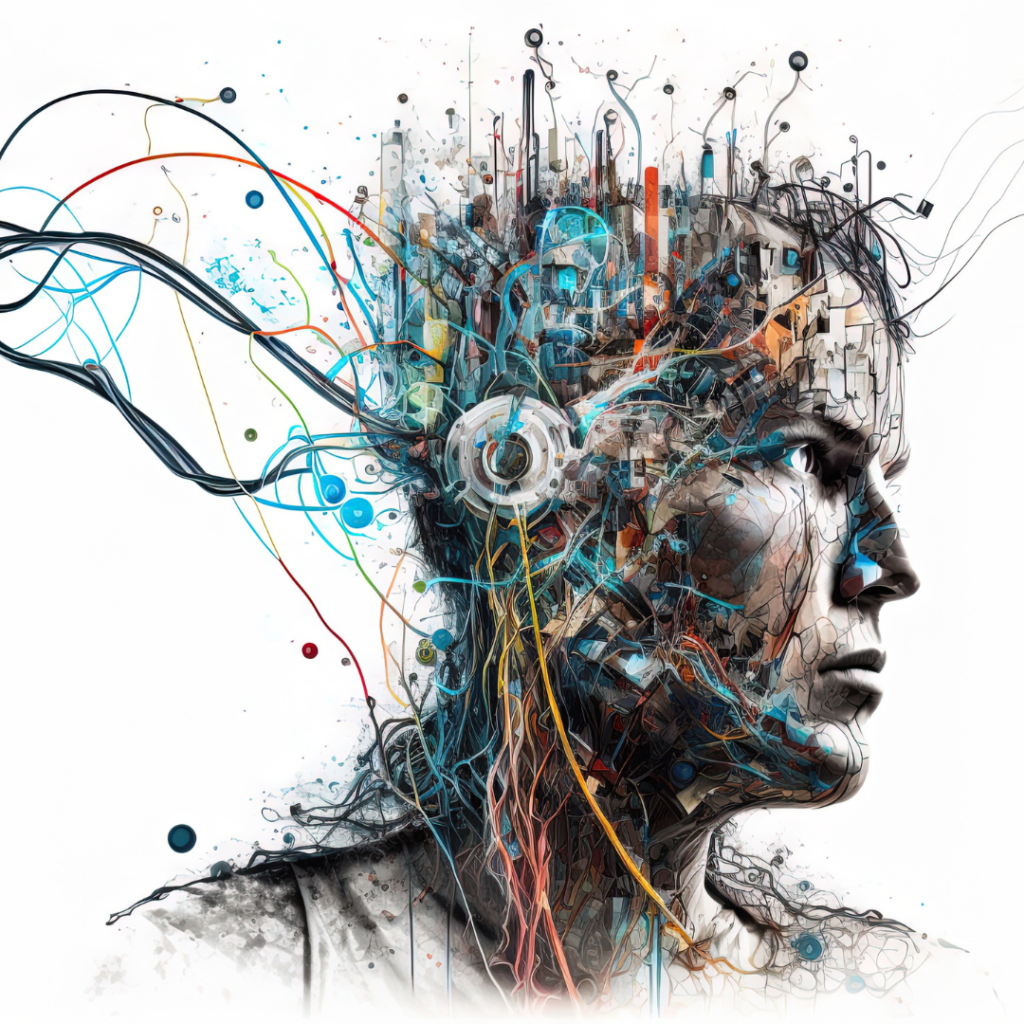
The Future of Decision-Making in the Digital Age
As technology continues evolving, understanding how Digital Noise Affects Decision-Making will become increasingly important. Artificial intelligence, personalized content systems, and immersive digital experiences may further increase competition for attention.
At the same time, awareness of attention management is growing. Businesses, educators, and individuals are recognizing that focus is becoming a critical resource. Future success may depend not only on access to information but also on the ability to filter, interpret, and apply it effectively.
The future will likely reward those who can balance connectivity with concentration and information access with thoughtful analysis.
Conclusion
The reality of how Digital Noise Affects Decision-Making reveals one of the most important challenges of the digital age. Constant notifications, information overload, emotional stimulation, and attention fragmentation all influence the quality of human judgment. While technology provides remarkable opportunities, it also creates environments that can complicate decision-making processes.
The solution is not to reject technology but to use it more intentionally. By managing digital noise, protecting attention, and creating space for critical thinking, individuals can improve the quality of their decisions and strengthen their ability to navigate an increasingly complex world.
As digital environments continue expanding, the ability to think clearly amid constant noise may become one of the most valuable skills of the future. Those who master attention and focus will be better equipped to make confident, informed, and meaningful decisions in every area of life.