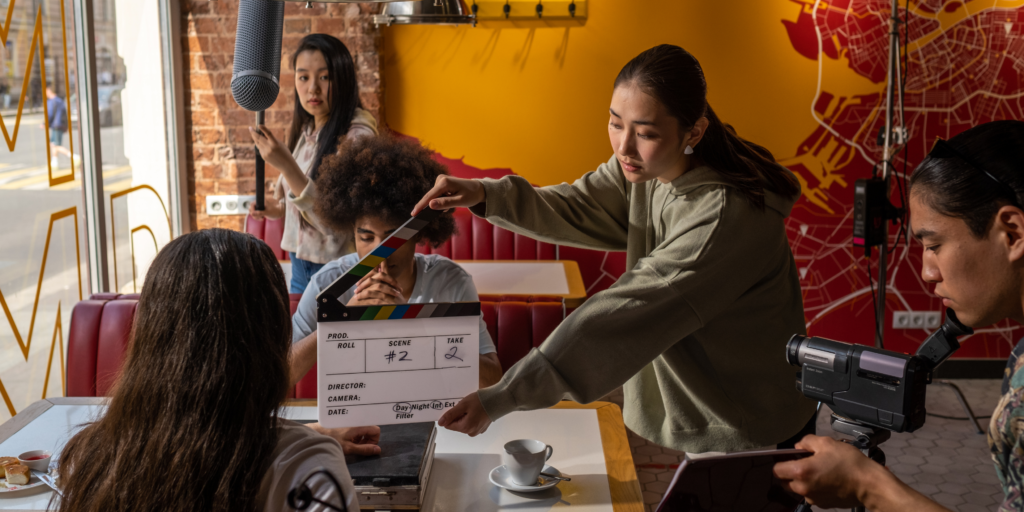
Diploma in Film Making: A Complete Guide to Building a Creative Career in the Film and Media Industry
The world of filmmaking has evolved into one of the most exciting and dynamic career fields in the creative industry. With the rapid growth of digital entertainment, streaming platforms, social media, advertising, web series, documentaries, and independent cinema, the demand for skilled filmmaking professionals continues to rise. A Diploma in Film Making offers aspiring filmmakers the opportunity to develop practical knowledge, technical expertise, and creative storytelling abilities required to succeed in this competitive industry. Whether someone dreams of becoming a director, cinematographer, editor, scriptwriter, or producer, a diploma program provides a strong foundation for entering the world of visual storytelling.
Filmmaking is much more than operating a camera or directing actors. Every successful production involves careful planning, script development, cinematography, sound recording, editing, production management, lighting design, visual effects, and post-production. A structured Diploma in Film Making introduces students to every stage of the filmmaking process while encouraging hands-on learning through projects, workshops, and practical assignments.
The growing popularity of the Diploma in Film Making reflects the expanding opportunities available across the entertainment and media sectors. Modern audiences consume content through cinemas, television, streaming services, online video platforms, advertising campaigns, corporate films, educational media, and digital marketing. As content production continues to increase worldwide, trained filmmaking professionals remain valuable across multiple industries.
For creative individuals who enjoy storytelling, visual communication, photography, technology, and artistic collaboration, a filmmaking diploma can become the first step toward a rewarding and continuously evolving professional journey.
What Is a Diploma in Film Making?
A Diploma in Film Making is a professional program designed to teach students the creative and technical aspects of film production.
The curriculum combines classroom instruction with practical training, allowing students to understand every stage of filmmaking from concept development to final editing.
One important reason the Diploma in Film Making has gained popularity is because it emphasizes practical learning rather than theoretical study alone.
Creativity meets professional training.
Practical education builds industry readiness.
Why Choose a Diploma in Film Making?
Many students choose filmmaking because it combines creativity with technology while offering opportunities to tell meaningful stories through visual media.
Unlike traditional academic programs, filmmaking encourages experimentation, collaboration, innovation, and continuous skill development.
Creative careers inspire lifelong learning.
Storytelling creates meaningful impact.
Eligibility for a Diploma in Film Making
Most institutions offering a Diploma in Film Making require applicants to have completed higher secondary education or an equivalent qualification.
Some institutes may also conduct entrance examinations, interviews, portfolio evaluations, or aptitude assessments depending on admission policies.
Admission requirements vary across institutions.
Preparation strengthens application success.
Duration of the Course
The duration of a Diploma in Film Making generally ranges from one to two years depending on the institution and curriculum structure.
Many programs include internships, practical projects, workshops, and industry exposure to strengthen professional skills.
Hands-on experience complements classroom learning.
Practical exposure builds confidence.
Subjects Covered in the Course
The Diploma in Film Making introduces students to a wide range of filmmaking disciplines.
Common subjects include scriptwriting, direction, cinematography, film editing, sound design, production management, lighting techniques, camera operations, visual storytelling, documentary production, screenplay development, post-production, and film appreciation.
Each subject contributes to understanding complete film production.
Comprehensive education develops versatile professionals.
Learning the Art of Storytelling
Storytelling forms the heart of every successful film.
Students learn how characters, emotions, dialogue, visuals, pacing, and narrative structure combine to create engaging experiences for audiences.
Understanding storytelling strengthens creative expression.
Powerful stories leave lasting impressions.
Practical Camera Training
Camera techniques remain one of the most important components of a Diploma in Film Making.
Students gain practical experience using professional cameras while learning framing, composition, movement, exposure, focus, and visual aesthetics.
Technical knowledge enhances artistic vision.
Camera skills build creative confidence.
Cinematography Skills
Cinematography transforms written ideas into visually compelling scenes.
Students explore lighting, camera angles, color, lenses, shot composition, movement, and visual continuity while developing artistic sensitivity.
Visual storytelling shapes audience emotions.
Creative imagery strengthens communication.
Film Editing and Post-Production
Editing determines the rhythm, emotion, and overall impact of a film.
Students learn professional editing software, scene transitions, sound synchronization, color correction, visual effects, and post-production workflows.
Editing transforms raw footage into meaningful narratives.
Precision improves storytelling quality.
Sound Design and Audio Production
Audio plays an equally important role in filmmaking.
Dialogue recording, background music, sound effects, ambient sound, mixing, and audio editing all contribute toward creating immersive viewing experiences.
Sound enhances emotional connection.
Balanced audio improves production quality.
Importance of Teamwork
Filmmaking requires collaboration among directors, writers, actors, editors, producers, technicians, designers, and marketing professionals.
Students learn communication, leadership, planning, coordination, and project management throughout practical assignments.
Collaboration strengthens creative outcomes.
Teamwork supports successful productions.
Industry Exposure
Many filmmaking diploma programs provide opportunities to participate in internships, live productions, workshops, industry visits, guest lectures, and film festivals.
Understanding Diploma in Film Making includes recognizing the value of practical industry exposure.
Real-world experience builds professional readiness.
Industry interaction expands career opportunities.

Skills Developed During the Course
Students completing a Diploma in Film Making develop technical, creative, and managerial skills simultaneously.
Problem-solving, communication, creativity, critical thinking, leadership, planning, editing, cinematography, storytelling, and time management become valuable professional assets.
Versatile skills improve employability.
Continuous learning supports career growth.
Career Opportunities After a Diploma in Film Making
Graduates can explore careers across multiple industries.
Opportunities include film director, assistant director, cinematographer, video editor, scriptwriter, production assistant, sound designer, camera operator, content creator, documentary filmmaker, advertising filmmaker, television producer, digital media specialist, and corporate video producer.
Career options continue expanding with digital media growth.
Creative industries offer diverse opportunities.
Employment in Digital Media
The rapid growth of online video platforms has increased demand for skilled filmmakers.
Businesses, educational organizations, influencers, advertising agencies, and media companies regularly produce video content requiring professional expertise.
Digital platforms create continuous opportunities.
Content production drives industry demand.
Freelancing Opportunities
Many filmmaking professionals choose freelance careers, allowing them to work on multiple projects while building independent portfolios.
Freelancing provides flexibility alongside creative freedom.
Professional reputation grows through quality work.
Independent careers encourage innovation.
Entrepreneurship in Film Production
Some graduates establish production houses, creative studios, advertising agencies, documentary companies, or digital content businesses after gaining industry experience.
Entrepreneurship allows filmmakers to build original brands.
Business ownership expands creative possibilities.
Leadership supports professional independence.
Higher Education Options
Students interested in advanced specialization may pursue bachelor’s degrees, postgraduate programs, professional certifications, or specialized training in directing, cinematography, animation, visual effects, screenwriting, or digital media.
Advanced education strengthens expertise.
Continuous learning improves career prospects.
Challenges in the Film Industry
The filmmaking industry remains highly competitive.
Success requires patience, networking, consistent skill improvement, creativity, adaptability, and resilience.
One important lesson from pursuing a Diploma in Film Making is understanding that professional growth develops through persistence and dedication.
Challenges encourage continuous improvement.
Determination strengthens long-term success.
Future Scope of a Diploma in Film Making
The future of filmmaking remains highly promising because entertainment consumption continues expanding through cinemas, streaming platforms, social media, education, corporate communication, gaming, and virtual production.
Emerging technologies such as artificial intelligence, virtual reality, augmented reality, and digital cinematography are creating exciting new career opportunities.
Innovation transforms creative industries.
Technology expands storytelling possibilities.

Why Choose a Diploma in Film Making?
A Diploma in Film Making provides practical education, creative development, industry exposure, technical expertise, and valuable professional skills.
Students passionate about visual storytelling, creativity, media, and entertainment often discover rewarding careers through structured filmmaking education.
Passion supports creative excellence.
Professional training creates lasting opportunities.
Conclusion
A Diploma in Film Making is an excellent choice for individuals who wish to transform their creativity into a professional career within the rapidly growing media and entertainment industry. The course combines artistic expression with technical knowledge, allowing students to master filmmaking through practical experience, collaborative projects, and industry-oriented learning.
Whether exploring Film Production, Cinematography, Film Editing, Screenwriting, Direction, Digital Content Creation, or Media Production, graduates gain the skills needed to succeed in a wide variety of creative professions.
As global demand for visual content continues increasing across entertainment, education, business, advertising, and digital platforms, filmmaking professionals will remain highly valuable. With dedication, continuous learning, and strong practical skills, a Diploma in Film Making can become the foundation for a fulfilling career that blends creativity, innovation, storytelling, and lifelong professional growth.