Career Opportunities in Regenerative Medicine: Building a Future in Advanced Healthcare Innovation
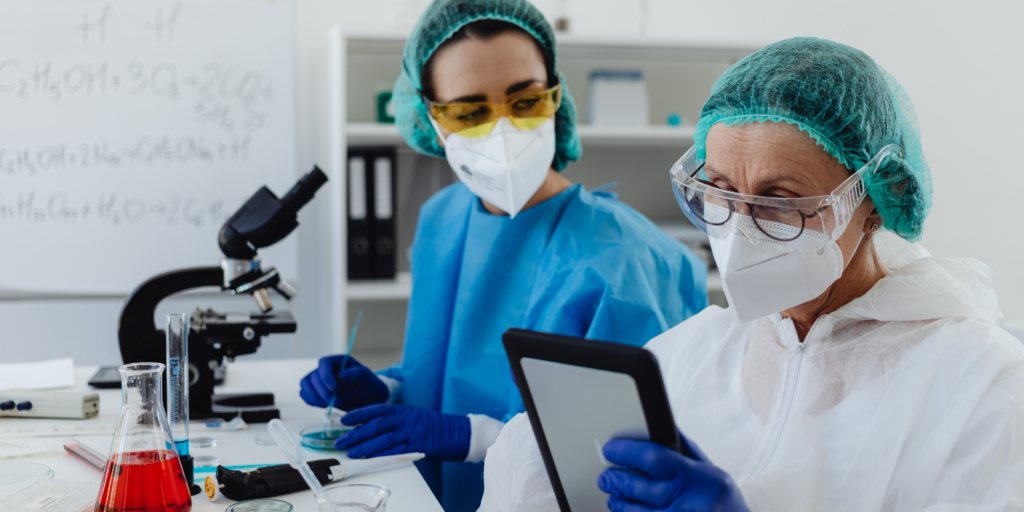
Healthcare is evolving at an extraordinary pace, and one of the most revolutionary fields driving this transformation is regenerative medicine. Instead of only treating symptoms or slowing the progression of disease, regenerative medicine focuses on repairing, replacing, or regenerating damaged cells, tissues, and organs. This groundbreaking approach is reshaping modern healthcare while creating remarkable Career Opportunities in Regenerative Medicine for students, researchers, healthcare professionals, engineers, and biotechnology experts. As scientific discoveries continue to unlock new possibilities, the demand for skilled professionals in regenerative medicine is increasing across hospitals, biotechnology companies, pharmaceutical organizations, research institutions, and healthcare technology firms.
The growing investment in stem cell therapy, tissue engineering, gene therapy, biomaterials, and personalized medicine has transformed regenerative medicine from an emerging research discipline into a rapidly expanding global industry. Governments, universities, and private organizations are funding innovative research programs designed to address chronic diseases, organ failure, spinal cord injuries, neurological disorders, cardiovascular diseases, and age-related health conditions. These developments have significantly expanded Career Opportunities in Regenerative Medicine, making it one of the most promising healthcare career paths for the coming decades.
Unlike conventional medical fields that primarily focus on disease management, regenerative medicine aims to restore normal biological function by harnessing the body’s natural healing capabilities. This innovative vision has inspired a new generation of professionals eager to contribute to life-changing medical breakthroughs while building rewarding long-term careers.
The Rising Importance of Regenerative Medicine
Medical science has entered an era where healing damaged tissues and restoring organ function are becoming increasingly achievable through advanced biotechnology. The rapid growth of regenerative medicine reflects a global effort to improve patient outcomes while addressing diseases that have traditionally been difficult to treat.
The increasing prevalence of chronic illnesses, aging populations, traumatic injuries, and degenerative disorders has intensified the need for innovative treatment approaches. As healthcare systems search for more effective therapies, Regenerative Medicine Careers continue to expand across research laboratories, biotechnology companies, hospitals, pharmaceutical organizations, and medical device manufacturers.
Researchers are exploring stem cells, biomaterials, tissue scaffolds, gene editing technologies, and cellular therapies capable of transforming healthcare. Every scientific breakthrough generates additional demand for skilled professionals capable of translating laboratory discoveries into safe and effective clinical applications.
Why Career Opportunities in Regenerative Medicine Are Growing Rapidly
Several powerful global trends are accelerating Career Opportunities in Regenerative Medicine. Advances in biotechnology have improved scientists’ ability to grow human cells, engineer tissues, and develop personalized therapies tailored to individual patients. These innovations have encouraged governments and private investors to increase funding for regenerative medicine research and commercialization.
The growing burden of chronic diseases has also created urgency for treatments capable of repairing damaged tissues rather than simply managing symptoms. Pharmaceutical companies are investing heavily in regenerative therapies to develop next-generation medical solutions with long-term therapeutic potential.
In addition, healthcare providers are adopting advanced treatment methods that improve recovery outcomes while reducing long-term healthcare costs. These developments continue to strengthen employment prospects for professionals specializing in regenerative medicine technologies.
Diverse Career Paths Within Regenerative Medicine
One of the strongest advantages of pursuing Career Opportunities in Regenerative Medicine is the remarkable diversity of available roles. Stem cell researchers investigate how specialized cells can regenerate damaged tissues while developing therapies for neurological disorders, cardiovascular diseases, orthopedic injuries, and autoimmune conditions.
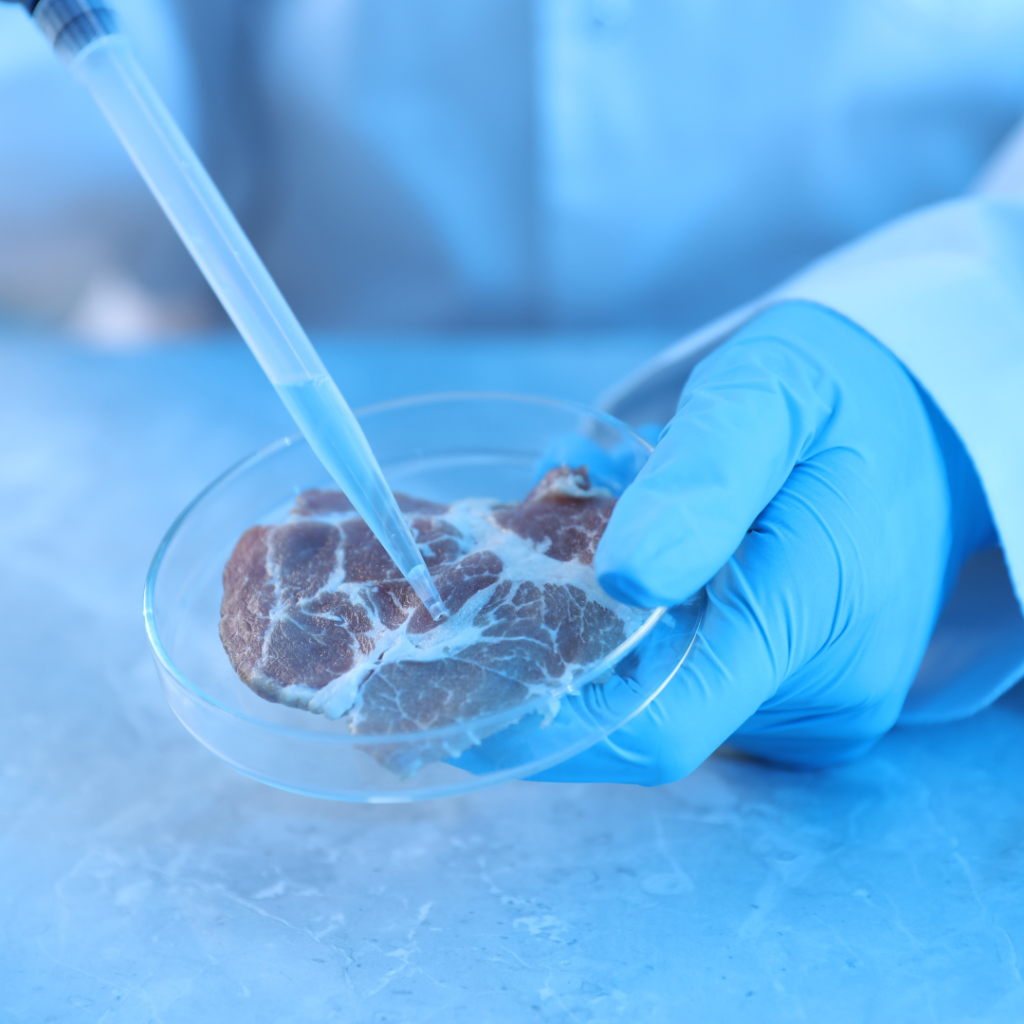
Tissue engineers design biological scaffolds that support the growth of replacement tissues and organs. Their work combines biology, engineering, materials science, and medical technology to create innovative treatment solutions.
Cell therapy specialists develop procedures that use living cells to repair damaged tissues and improve patient recovery. Clinical research professionals coordinate human trials that evaluate the safety and effectiveness of emerging regenerative therapies.
Biomedical engineers design advanced medical devices, laboratory equipment, and biomaterials used throughout regenerative medicine research. Manufacturing specialists oversee the production of cellular therapies while ensuring compliance with strict quality and safety standards.
Regulatory affairs professionals guide regenerative medicine products through complex approval processes, ensuring compliance with national and international healthcare regulations. Bioinformatics experts analyze biological data using artificial intelligence and computational tools to accelerate research discoveries.

Essential Skills for Regenerative Medicine Careers
Success in Regenerative Medicine Careers requires a combination of scientific knowledge, technical expertise, and analytical thinking. Professionals often begin with academic backgrounds in biotechnology, biomedical engineering, molecular biology, genetics, medicine, pharmacy, life sciences, chemistry, or biomedical research.
Understanding stem cell biology, tissue engineering, cell culture techniques, molecular diagnostics, genetics, immunology, biomaterials, and laboratory research methods significantly enhances career opportunities. Familiarity with artificial intelligence, bioinformatics, medical imaging, automation, and data analysis also provides a competitive advantage as healthcare becomes increasingly technology-driven.
Employers additionally value communication skills, interdisciplinary collaboration, ethical decision-making, critical thinking, and adaptability because regenerative medicine involves complex scientific research requiring cooperation among clinicians, engineers, researchers, and regulatory experts.
The Role of Biotechnology in Expanding Career Opportunities
Biotechnology serves as the foundation of modern regenerative medicine. Continuous innovations in gene editing, molecular diagnostics, three-dimensional bioprinting, tissue culture, and precision medicine are expanding the boundaries of what regenerative therapies can achieve.
Companies developing personalized cell therapies require highly skilled researchers capable of designing treatments that match individual patient characteristics. Advanced laboratory automation allows scientists to perform sophisticated experiments more efficiently while improving research accuracy.
Artificial intelligence accelerates drug discovery, predicts cellular behavior, and assists researchers in identifying promising therapeutic targets. These technological advances create exciting Regenerative Medicine Jobs for professionals interested in combining healthcare with digital innovation.
Industries Hiring Regenerative Medicine Professionals
The expanding regenerative medicine ecosystem extends across numerous industries. Biotechnology companies continue recruiting scientists, engineers, laboratory specialists, and product development experts to support innovative therapy development.
Pharmaceutical companies increasingly invest in regenerative medicine programs focused on treating diseases that currently have limited therapeutic options. Hospitals and specialized healthcare centers employ regenerative medicine physicians, laboratory professionals, and clinical research coordinators to deliver advanced patient care.
Medical device manufacturers develop equipment used for tissue engineering, stem cell processing, and regenerative procedures, creating additional engineering opportunities. Academic institutions and government research organizations also recruit scientists dedicated to advancing regenerative medicine through basic and translational research.
Contract research organizations, diagnostic laboratories, healthcare consulting firms, and startup companies further expand employment opportunities across the regenerative medicine industry.
Emerging Technologies Shaping the Future of Regenerative Medicine
Technological innovation continues transforming Career Opportunities in Regenerative Medicine. Three-dimensional bioprinting enables researchers to create tissue structures capable of supporting regenerative therapies. Gene editing technologies such as CRISPR are opening new possibilities for correcting inherited diseases and improving cellular therapies.
Artificial intelligence assists scientists in analyzing massive biological datasets, accelerating research while reducing development timelines. Nanotechnology improves targeted drug delivery and tissue regeneration by enhancing treatment precision.
Robotics, automation, and advanced imaging systems further improve laboratory efficiency while supporting large-scale production of regenerative therapies. These emerging technologies create demand for professionals who combine biological expertise with engineering, computer science, and digital healthcare knowledge.
Education and Professional Development
Students pursuing Career Opportunities in Regenerative Medicine benefit from degrees in biotechnology, biomedical engineering, medicine, pharmacy, molecular biology, genetics, life sciences, and biomedical sciences. Graduate education often provides access to advanced research opportunities and specialized laboratory training.
Hands-on experience through internships, research fellowships, and university laboratories significantly improves employability. Many institutions collaborate directly with biotechnology companies, allowing students to gain practical exposure to regenerative medicine technologies.
Professional certifications in clinical research, laboratory quality management, biotechnology manufacturing, regulatory affairs, and biomedical data analysis further strengthen career profiles while demonstrating commitment to continuous learning.
Global Career Growth and Salary Potential
The worldwide expansion of regenerative medicine has created excellent career prospects across North America, Europe, Asia-Pacific, and the Middle East. Countries including the United States, Germany, Japan, South Korea, Singapore, the United Kingdom, Canada, and India continue investing in biotechnology infrastructure and regenerative healthcare research.
As demand for advanced therapies increases, professionals specializing in Career Opportunities in Regenerative Medicine often enjoy competitive salaries, international mobility, and opportunities to work on pioneering medical innovations. Experienced researchers may advance into leadership roles within pharmaceutical companies, biotechnology firms, research institutes, or healthcare organizations.
Entrepreneurship is also becoming increasingly attractive as startup companies develop novel regenerative technologies capable of transforming patient care worldwide.
Challenges That Drive Innovation
Although regenerative medicine offers extraordinary promise, the field also presents scientific, regulatory, and ethical challenges. Developing safe and effective therapies requires extensive research, rigorous clinical testing, and careful regulatory oversight before treatments become widely available.
Rather than limiting opportunities, these challenges encourage continuous innovation. Scientists, engineers, clinicians, regulatory specialists, and healthcare professionals collaborate to overcome technical obstacles while improving treatment safety and effectiveness.
The dynamic nature of regenerative medicine ensures that professionals remain engaged in lifelong learning while contributing to medical breakthroughs capable of improving millions of lives.
Why Regenerative Medicine Is a Future-Proof Career
One of the strongest reasons to pursue Career Opportunities in Regenerative Medicine is the field’s exceptional long-term growth potential. As global populations age and chronic diseases become increasingly common, healthcare systems require innovative solutions capable of restoring biological function rather than simply managing illness.
Continuous investment in biotechnology, personalized medicine, gene therapy, and tissue engineering ensures sustained demand for skilled professionals. Unlike many traditional healthcare roles that remain relatively unchanged, regenerative medicine evolves rapidly, offering ongoing opportunities for specialization, research, and career advancement.
Professionals with expertise in Stem Cell Therapy Careers, Biomedical Engineering Careers, Cell Therapy Jobs, Biotechnology Careers, and Healthcare Innovation Careers will continue playing essential roles in shaping the future of medicine.
Conclusion
Career Opportunities in Regenerative Medicine represent one of the most exciting and meaningful career paths within modern healthcare. As scientific innovation transforms the treatment of chronic diseases, traumatic injuries, and age-related conditions, regenerative medicine continues creating exceptional opportunities for researchers, engineers, clinicians, biotechnology experts, and healthcare professionals.
The field combines cutting-edge science, technological advancement, and compassionate patient care while offering long-term career stability, global employment prospects, and continuous professional growth. With increasing demand for Regenerative Medicine Careers, Regenerative Medicine Jobs, Stem Cell Therapy Careers, Biomedical Research Jobs, and Healthcare Innovation Careers, individuals entering this sector today are preparing for careers that will remain highly relevant for decades.
Choosing regenerative medicine means becoming part of a scientific revolution focused on improving lives through innovation, discovery, and advanced healthcare solutions. As research continues unlocking new possibilities for tissue repair, cellular therapy, and personalized medicine, professionals in this field will remain at the forefront of one of the most transformative advancements in medical history.