
When Comparison Becomes a Lifestyle
Introduction
Comparison is a natural human behavior. People often evaluate their progress, abilities, and achievements by observing those around them. In moderation, comparison can provide motivation and inspiration. It can help individuals set goals, identify opportunities for growth, and learn from successful examples.
However, comparison becomes harmful when it evolves from an occasional habit into a daily lifestyle.
In today’s highly connected world, people are exposed to more information about other people’s lives than ever before. Social media feeds, professional networking platforms, online communities, and digital content continuously showcase accomplishments, lifestyles, career milestones, and personal achievements. As a result, many individuals spend a significant portion of their lives measuring themselves against others.
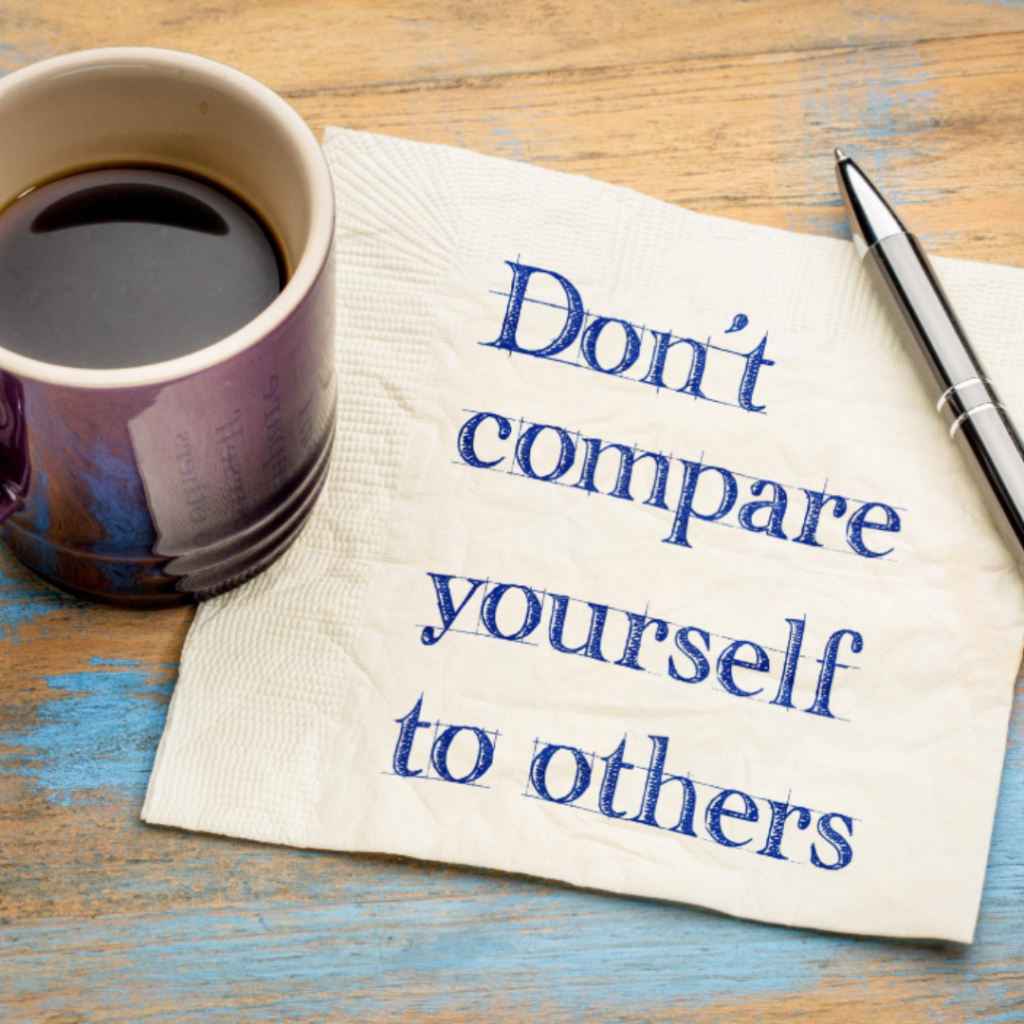
When comparison becomes a lifestyle, it gradually affects self-worth, mental well-being, confidence, and life satisfaction. Instead of focusing on personal growth, people become preoccupied with how their lives compare to someone else’s.
The problem is not comparison itself. The real challenge begins when comparison becomes the primary lens through which people evaluate their value and success. Understanding this issue is essential because genuine fulfillment comes from personal development rather than constant competition.
Why Comparison Has Become More Common Than Ever
Modern technology has transformed the way people compare themselves to others.
Previous generations primarily compared themselves with friends, relatives, coworkers, or neighbors. Today, social media has expanded that circle dramatically.
People can instantly view the achievements of thousands of individuals from around the world.
Every day, users encounter promotions, academic accomplishments, luxury lifestyles, fitness transformations, business successes, and personal milestones.
While these updates can be informative, they often represent carefully selected highlights rather than complete realities.
The result is a culture where comparison happens almost automatically.
People are exposed to endless examples of success, making it increasingly difficult to focus solely on their own journeys.
The Psychology Behind Social Comparison
Social comparison is rooted in human psychology.
People naturally seek ways to evaluate their progress and understand their place within society.
Comparing experiences can sometimes provide useful information.
For example, observing someone else’s success may encourage learning and improvement.
However, problems arise when comparison becomes excessive.
Instead of using comparisons as occasional reference points, individuals begin using them as constant measurements of self-worth.
This shift changes how people interpret success.
Personal accomplishments lose significance because attention remains focused on what others have achieved.
The comparison mindset gradually becomes a habit that influences emotions, decisions, and confidence.
How Social Media Comparison Changes Self-Perception
Social media comparison has become one of the strongest influences on modern self-esteem.
Platforms are designed to highlight achievements, positive experiences, and attractive moments.
People rarely share their failures, doubts, or everyday struggles.
As a result, users often compare their complete lives to someone else’s edited highlights.
This creates distorted expectations.
A student may compare grades with top performers.
A professional may compare career progression with industry leaders.
An entrepreneur may compare business growth with highly successful companies.
These comparisons often ignore context and individual circumstances.
Over time, self-perception becomes increasingly dependent on external benchmarks.

The Connection Between Comparison Culture and Self-Worth
One of the most damaging effects of comparison culture is its influence on self-worth.
Many individuals begin measuring their value according to achievements, income, appearance, or social recognition.
When someone else appears more successful, confidence may decline.
Achievements that once felt meaningful suddenly seem less impressive.
This creates an unstable foundation for self-esteem.
Self-worth becomes dependent on external comparisons rather than personal growth.
People feel confident only when they believe they are outperforming others.
The problem is that there will always be someone who appears more accomplished in a particular area.
A healthier approach involves recognizing value independently of comparison.
Career Comparison and Professional Pressure
Career comparison is a growing source of stress among students and professionals.
People frequently compare salaries, job titles, promotions, certifications, and career progress.
Professional networking platforms amplify this behavior.
Success stories appear constantly, creating the impression that everyone else is advancing rapidly.
Career comparison often creates professional pressure.
Individuals question whether they are progressing quickly enough.
They worry about missed opportunities.
They become focused on keeping pace with others rather than pursuing personally meaningful goals.
Career satisfaction decreases when professional growth is evaluated exclusively through comparison.
Why Comparison Creates Achievement Anxiety
Achievement anxiety often develops when people continuously compare their progress to others.
Goals become moving targets.
Every accomplishment is quickly overshadowed by someone else’s success.
Instead of celebrating progress, individuals immediately focus on what remains unfinished.
This creates ongoing tension.
People feel pressure to achieve more, earn more, and accomplish more.
The pursuit of success becomes driven by fear rather than purpose.
Achievement anxiety limits satisfaction because no accomplishment ever feels complete.
Comparison transforms growth into competition.
The Emotional Cost of Living in the Comparison Trap
The comparison trap affects emotional well-being in numerous ways.
People who compare themselves constantly often experience frustration, self-doubt, and dissatisfaction.
Even positive events may lose their emotional impact.
Achievements become temporary because attention quickly shifts to someone else’s accomplishments.
The emotional cost extends beyond confidence.
Relationships can be affected as well.
People may struggle to feel genuinely happy for others because success triggers feelings of inadequacy.
The comparison trap creates emotional fatigue by encouraging individuals to evaluate themselves constantly.
This mindset makes it difficult to appreciate personal progress.
Why Personal Growth Is Not Meant to Be Competitive
Personal growth is often misunderstood as a race.
In reality, growth is highly individual.
Different people have different goals, resources, experiences, and challenges.
Comparing progress across unique circumstances rarely produces accurate conclusions.
Someone else’s timeline is not necessarily relevant to another person’s journey.
Personal development becomes healthier when individuals focus on improvement rather than competition.
Growth should be measured against previous versions of oneself rather than external benchmarks.
This perspective encourages confidence and long-term motivation.
The Role of Productivity Culture
Productivity culture contributes significantly to comparison behavior.
Many people believe they should always be improving, learning, and achieving.
Social media often reinforces this message by showcasing constant success and personal development.
As a result, individuals feel pressure to maximize every moment.
Rest may feel unproductive.
Ordinary progress may seem insufficient.
Productivity culture often creates unrealistic standards that are difficult to maintain.
When combined with comparison culture, it encourages continuous self-evaluation.
This can reduce life satisfaction and increase emotional exhaustion.
Building Confidence Beyond Comparison
Confidence becomes more sustainable when it is built on personal values rather than external rankings.
People benefit from recognizing achievements independently of how others are performing.
This does not mean ignoring inspiration or learning from successful individuals.
Instead, it means using comparison constructively rather than emotionally.
Confidence grows when individuals focus on their strengths, goals, and personal progress.
They become less dependent on external validation.
A strong sense of self-worth allows people to appreciate their own journeys without constantly measuring them against others.
Finding Life Satisfaction in Your Own Journey
Life satisfaction increases when people stop treating comparison as a lifestyle.
Every person follows a unique path influenced by different experiences and opportunities.
Success cannot be measured through a single standard.
Meaningful relationships, emotional well-being, personal growth, creativity, and fulfillment all contribute to a rewarding life.
People who focus on their own development often experience greater happiness.
They appreciate progress rather than obsessing over perfection.
Life satisfaction comes from living intentionally rather than competing constantly.
Conclusion
When comparison becomes a lifestyle, it affects nearly every aspect of life. Comparison culture, social media comparison, career comparison, and productivity culture can influence self-worth, emotional well-being, confidence, and life satisfaction.
While occasional comparison may provide perspective, constant comparison often creates achievement anxiety, professional pressure, and emotional exhaustion. It shifts attention away from personal growth and toward external validation.
The healthiest approach is to focus on individual progress rather than competing with other people’s timelines. Personal development is most meaningful when it reflects personal values and goals.
Ultimately, true confidence does not come from being better than someone else. It comes from becoming a better version of yourself. When people stop measuring their lives against others and start appreciating their own growth, they create stronger foundations for fulfillment, resilience, and lasting happiness.